Key Takeaways
- The 2027 monsoon is projected to be a mixed bag, with some regions facing potential deficits and others experiencing excess rainfall, demanding tailored preparedness strategies.
- Early season shifts and the potential for intense, short-duration downpours are key concerns, impacting urban drainage and agricultural planning.
- The interplay of global climate phenomena like ENSO and the Indian Ocean Dipole will be crucial in shaping regional monsoon behaviour.
- Technological advancements and community-led initiatives are vital for effective disaster management and resilience building.
The 2027 Monsoon: A Tale of Two Halves
As we look towards the 2027 monsoon season, the outlook from India Meteorological Department (IMD) and international climate models paints a complex picture. The crucial Southwest Monsoon, typically arriving in early June and covering most of the subcontinent until September, is expected to exhibit significant regional variations. While the national average rainfall might hover around the long-period average (LPA), this can mask substantial deficits in some areas and surpluses in others. We need to be prepared for this variability, as it directly impacts our agriculture, water resources, and the overall economy.
The initial forecasts suggest a potential for a weaker start in certain northwestern and central Indian regions, possibly extending into early July. Conversely, some northeastern states and the southern peninsula might experience wetter conditions than usual. This dichotomy is not uncommon, but the intensity and duration of these deviations are key factors for us to monitor closely. Understanding these regional nuances is the first step in effective preparedness, moving beyond a one-size-fits-all approach.
One of the emerging concerns for 2027 is the potential for a more volatile monsoon pattern. This means we might see longer dry spells interspersed with shorter, more intense periods of heavy rainfall. Such patterns can be particularly challenging for agriculture, leading to crop damage from both drought and flooding. Urban areas also face heightened risks of waterlogging and infrastructure strain due to these extreme precipitation events.
Decoding the Climate Drivers: ENSO and IOD in 2027
The global climate system plays a pivotal role in dictating the vagaries of the Indian monsoon. For the 2027 season, the El Niño-Southern Oscillation (ENSO) and the Indian Ocean Dipole (IOD) are expected to be key influencers. Current projections indicate a transition from a potential El Niño phase that may have persisted into early 2026 towards a neutral or even a weak La Niña by mid-2027. El Niño conditions typically correlate with weaker monsoons over India, while La Niña can enhance rainfall.
However, the influence of ENSO is not always straightforward. The state of the Indian Ocean Dipole (IOD) can either amplify or counteract ENSO’s effects. A positive IOD, characterized by warmer western Indian Ocean waters and cooler eastern waters, generally favours a stronger monsoon over India, even in the presence of El Niño. Conversely, a negative IOD can suppress monsoon rainfall. For 2027, the IOD is anticipated to remain largely neutral or lean towards a positive phase in the critical monsoon months, offering a potential buffer against any lingering ENSO-induced dryness in some regions.
It’s crucial for us to remember that these global phenomena are just part of the puzzle. Local atmospheric conditions, sea surface temperatures in the Arabian Sea and Bay of Bengal, and the Madden-Julian Oscillation (MJO) also contribute significantly. Forecasters are meticulously analysing these interacting factors to provide more granular predictions. The complexity means that while broad trends are identifiable, precise regional impacts will become clearer as we move closer to the monsoon onset.
Impact on Agriculture: Sowing Seeds of Resilience
The agricultural sector, the backbone of India’s economy and sustenance, is acutely sensitive to monsoon patterns. For 2027, the projected variability poses significant challenges for farmers across the country. Regions expecting deficits might struggle with inadequate water for irrigation, potentially impacting the sowing and growth of Kharif crops like rice, pulses, and oilseeds. This could lead to reduced yields and increased input costs as farmers rely more heavily on borewells and other supplementary irrigation methods.
Conversely, areas predicted to receive excess rainfall could face different problems. Waterlogged fields can damage standing crops, promote fungal diseases, and hinder timely agricultural operations. Intense, short-duration downpours can also lead to soil erosion, washing away valuable topsoil and nutrients. The unpredictability of these events makes it difficult for farmers to plan their crop cycles and choose appropriate varieties. This is where agri-tech solutions and timely advisories become paramount.
A surprising fact is the increasing impact of micro-climates. Even within a district predicted to receive normal rainfall, specific villages might experience localised droughts or floods due to micro-topographical features and altered local weather systems. This highlights the need for hyper-localised weather forecasting and advisories. Furthermore, the shift towards climate-resilient crops and water-efficient farming techniques, such as drip irrigation and mulching, is no longer a choice but a necessity for long-term food security in the face of such dynamic monsoon behaviour.
Urban Preparedness: Navigating the Deluge and Drought
India’s burgeoning urban centres are particularly vulnerable to the monsoon’s extremes. The projected patterns for 2027, with potential for intense rainfall events, raise serious concerns about urban flooding. Many cities, including Mumbai, Chennai, and Kolkata, have drainage systems designed for historical rainfall patterns, which are increasingly inadequate for the more intense downpours we are witnessing. Blocked drains, encroachment on natural waterways, and inadequate waste management exacerbate these issues.
We need to brace for a situation where short bursts of heavy rain can overwhelm urban infrastructure, leading to traffic disruptions, power outages, and damage to property. The economic cost of such events can be substantial, impacting businesses and livelihoods. Beyond flooding, regions experiencing deficits could face water scarcity issues. Urban water supplies often rely on reservoirs fed by monsoon rains, and prolonged dry spells can lead to water rationing and increased competition for dwindling resources.
“The monsoon is not just a weather phenomenon; it’s the lifeblood of our nation. For 2027, our strategy must be one of proactive adaptation, not reactive crisis management. This means investing in resilient infrastructure, empowering local communities with real-time data, and fostering a culture of preparedness at every level.”
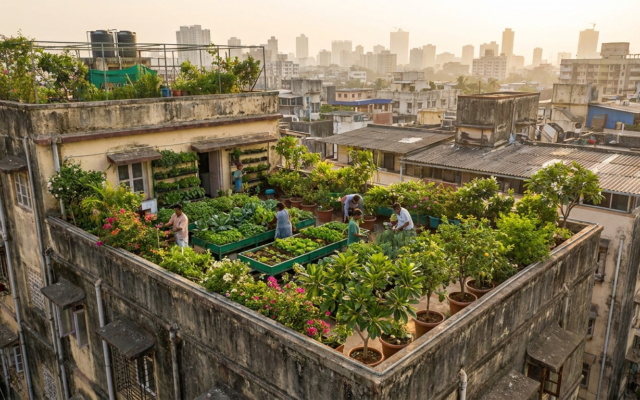
A critical, often overlooked, aspect of urban preparedness is the integration of green infrastructure. Projects like rainwater harvesting systems, permeable pavements, and urban green belts can significantly mitigate flood risks and recharge groundwater. The government’s Smart Cities Mission and other urban development initiatives must prioritize these nature-based solutions. Additionally, effective early warning systems and public awareness campaigns are crucial to ensure citizens are informed and can take necessary precautions during monsoon events.
Water Resource Management: A Balancing Act for 2027
The 2027 monsoon’s performance will have a direct bearing on India’s water security, a challenge that is becoming increasingly complex. For regions anticipating deficits, careful management of existing water reserves will be paramount. This includes optimizing the release of water from reservoirs for irrigation and drinking purposes, promoting water conservation measures among citizens and industries, and exploring avenues for inter-basin water transfer where feasible and environmentally sound.
Conversely, areas expecting excess rainfall present an opportunity to augment water resources, provided we have the infrastructure to capture and store this water effectively. This means investing in the maintenance and expansion of our reservoir capacities, promoting widespread adoption of rainwater harvesting at household and community levels, and ensuring that urban planning incorporates adequate water retention measures. The goal is to move from a situation where excess rainfall leads to floods to one where it replenishes our reserves.
A fascinating, though sobering, statistic is that while India receives ample rainfall annually, a significant portion of it is lost as runoff due to inadequate storage and management. The average annual rainfall in India is around 1,170 mm, equivalent to 4,000 billion cubic meters of water. However, due to geographical and climatic factors, only about 1,100 billion cubic meters can be utilized. The remaining is lost to evaporation or flows into the sea. For 2027, the focus must be on maximizing this utilizable fraction. This involves a multi-pronged approach, combining traditional water management wisdom with modern technological solutions like satellite monitoring of water bodies and advanced hydrological modelling.
Preparedness and Technology: Building a Resilient Future
As we navigate the uncertainties of the 2027 monsoon, technology and robust preparedness frameworks are our strongest allies. The India Meteorological Department (IMD) has been continuously upgrading its forecasting capabilities, incorporating data from a dense network of ground stations, weather balloons, radar systems, and satellites. For 2027, we can expect even more localized and timely weather advisories, disseminated through multiple channels, including mobile apps and community radio.
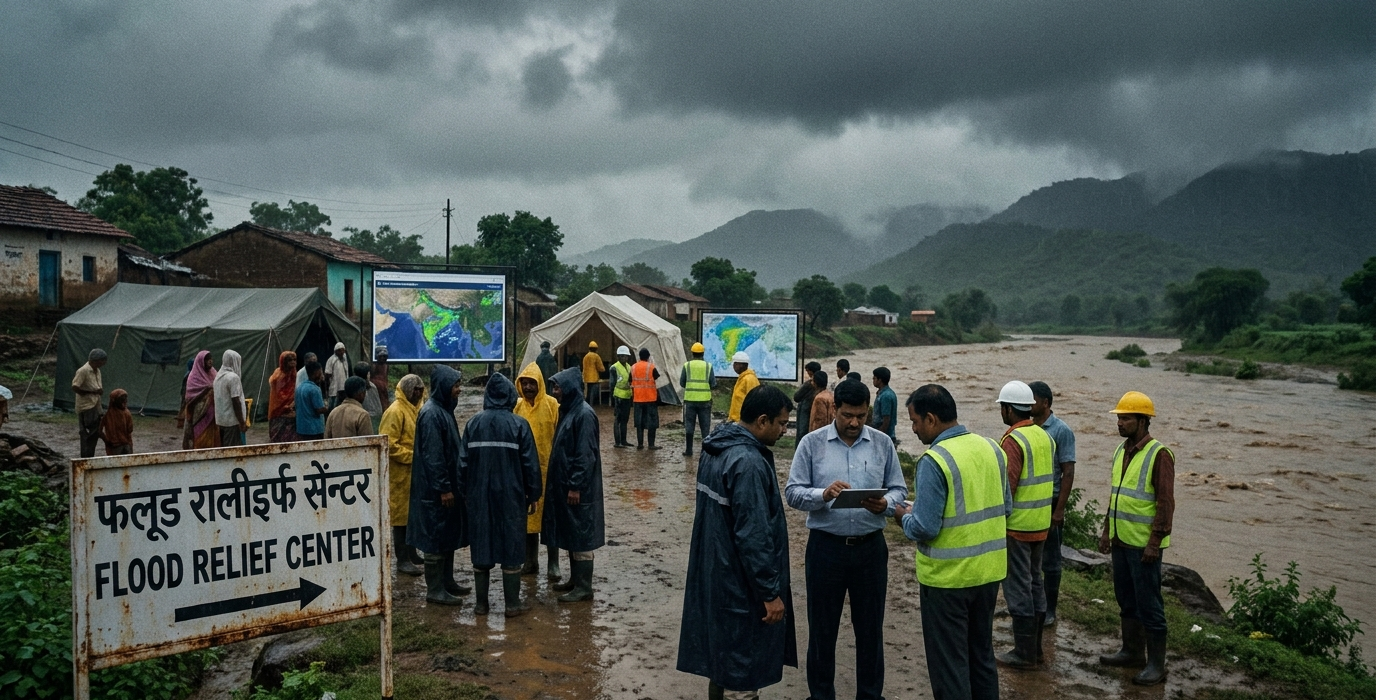
Beyond forecasting, technology plays a critical role in disaster response and management. Advanced geographical information systems (GIS) and remote sensing technologies can help identify vulnerable areas, map flood-prone zones, and assess damage quickly after an event. Drones are increasingly being used for aerial surveys, delivering aid to inaccessible areas, and monitoring water levels. These tools empower relief agencies and local administrations to respond more effectively and efficiently.
A surprising revelation from recent monsoon seasons is the effectiveness of community-led early warning systems. In many remote villages, local volunteers, trained to interpret weather alerts and disseminate them using simple tools like megaphones or signal flags, have proven to be the fastest and most reliable link in the warning chain. For 2027, scaling up such initiatives, coupled with comprehensive disaster management training for communities, is essential. This includes mock drills, evacuation plans, and the establishment of local relief committees. We must foster a culture where preparedness is a shared responsibility, integrating technology with human ingenuity and community spirit.
Frequently Asked Questions
What are the primary indicators for the 2027 monsoon forecast?
The forecast for the 2027 monsoon will primarily be guided by the state of the El Niño-Southern Oscillation (ENSO), the Indian Ocean Dipole (IOD), and sea surface temperatures in the Pacific and Indian Oceans. Additionally, historical data and advanced climate models will be used to refine predictions.
How will the 2027 monsoon affect food prices in India?
The impact on food prices will depend on the severity of regional deficits or surpluses. If key agricultural regions face significant rainfall shortages, it could lead to lower crop yields, potentially increasing prices for staples like rice, pulses, and vegetables. Conversely, bumper crops in surplus regions might help stabilize or even lower prices.
What steps can individuals take to prepare for the monsoon?
Individuals can prepare by ensuring their homes are weather-proof, clearing gutters and drains, stocking up on essential supplies like non-perishable food and medicines, having an emergency kit ready, and staying informed about weather advisories. For those in flood-prone areas, having an evacuation plan is crucial.
Are there specific regions in India expected to face more severe monsoon challenges in 2027?
While precise regional forecasts evolve, initial projections suggest that northwestern and central India might experience some deficits, while parts of the Northeast and the southern peninsula could see wetter conditions. However, these are broad trends, and specific micro-climatic variations will be critical to monitor.