Key Takeaways
- Ayurveda, India’s ancient healing system, is experiencing a global resurgence, blending traditional wisdom with modern wellness needs.
- Focus is shifting towards personalized wellness plans based on individual constitutions (doshas) and lifestyle adaptations.
- Ayurvedic principles are increasingly integrated into daily routines, from diet and sleep to stress management and skincare.
- New innovations are making Ayurvedic practices more accessible, including digital consultations and bespoke product formulations.
The Dawn of a New Wellness Era: Ayurveda’s Global Ascent
The air in bustling metros like Delhi and Bengaluru, and even in quieter spiritual hubs like Rishikesh, is thick with a new kind of energy. It’s the hum of a global wellness revolution, one deeply rooted in India’s ancient science of Ayurveda. For centuries, Ayurveda has offered a holistic approach to health, treating the individual as a complex ecosystem rather than a collection of symptoms. Today, this time-tested wisdom is not just surviving; it’s thriving, resonating with a generation increasingly seeking authentic, sustainable paths to well-being.
We’re seeing a profound shift. Gone are the days when Ayurveda was perceived as merely a collection of herbal remedies. The modern iteration is sophisticated, scientifically informed, and incredibly personalized. It’s about understanding your unique bodily constitution, your *dosha*, and tailoring every aspect of your life – from your morning *chai* to your evening meditation – to bring you into balance. This isn’t about rigid dogma; it’s about intelligent adaptation for contemporary life.
This resurgence is fueled by a growing awareness of the limitations of purely symptomatic treatments. People are looking for preventative care, for ways to build resilience, and for practices that nurture their mental and emotional health as much as their physical. Ayurveda, with its emphasis on the mind-body connection and the profound impact of lifestyle, offers precisely that. It provides a framework to navigate the complexities of modern living with grace and vitality, drawing from millennia of observation and practice.
Decoding Your Dosha: The Foundation of Personalised Wellness
At the heart of Ayurveda lies the concept of the *tridosha*: Vata, Pitta, and Kapha. These are not just abstract energies; they are dynamic forces that govern our physiological and psychological functions, unique to each individual. Understanding your predominant *dosha* is the first, and arguably most crucial, step in embracing an Ayurvedic lifestyle. It’s like having a personalized blueprint for your health and well-being, guiding your choices to optimize your vitality.
For instance, someone with a dominant Vata *dosha* might be creative, energetic, and quick-thinking, but also prone to anxiety, dry skin, and digestive issues. An Ayurvedic approach would recommend warm, grounding foods, regular routines, and calming practices. Conversely, a Pitta constitution might be driven and focused, but susceptible to inflammation, irritability, and acidity. They would benefit from cooling foods, moderation, and stress-reducing activities. Kapha individuals, often steady and nurturing, might need stimulation to avoid lethargy and weight gain, with lighter, more invigorating foods and exercise.
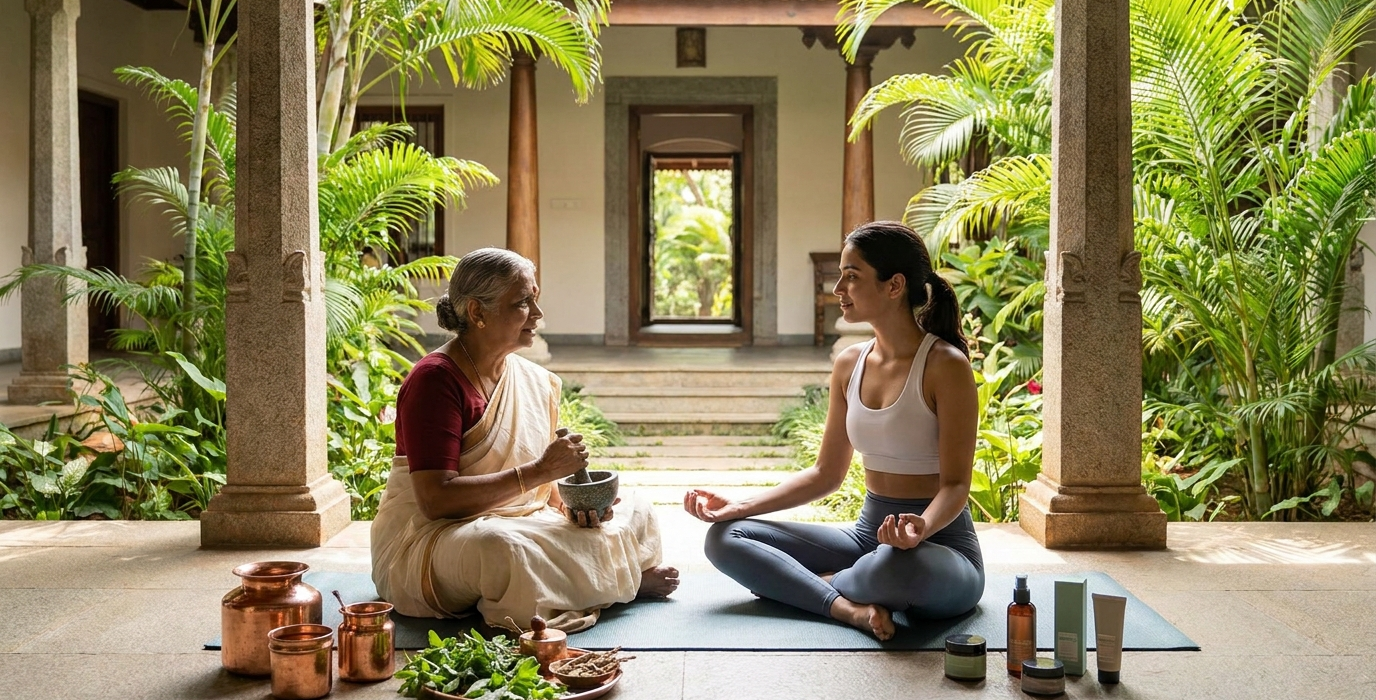
The beauty of this personalized approach is its adaptability. While your underlying *dosha* remains constant, its expression can be influenced by seasons, age, and lifestyle. Ayurvedic practitioners, whether in a traditional *vaidya*’s clinic in Kerala or through a modern digital platform, will help you identify your unique balance and suggest dietary adjustments, herbal recommendations, and daily practices (*dinacharya*) to maintain or restore equilibrium. This deep dive into your individual nature is what sets Ayurveda apart and makes its wellness prescriptions so profoundly effective.
Ayurveda in Action: Integrating Ancient Wisdom into Daily Life
The most exciting aspect of Ayurveda’s modern revival is its integration into everyday routines. It’s no longer confined to lengthy retreats or specific treatments; it’s becoming a lifestyle philosophy. We’re seeing people enthusiastically adopting practices that were once considered niche, now recognized for their immense benefits. Think of the morning oil pulling, a simple yet powerful ritual to cleanse the mouth and boost immunity, or the practice of sipping warm lemon water upon waking to stimulate digestion.
Dietary shifts are a significant part of this. Instead of restrictive fad diets, Ayurveda promotes mindful eating, focusing on seasonal produce, balancing the six tastes (*rasas*), and understanding how different foods affect your individual *dosha*. For example, during the monsoon season in India, when Kapha can become aggravated, Ayurvedic principles suggest lighter, spicier foods and avoiding heavy, dairy-rich meals. This seasonal awareness ensures we eat in harmony with nature, rather than against it.
Beyond diet and hygiene, the emphasis on sleep (*nidra*) and stress management is paramount. Ayurvedic texts detail optimal sleep timings, advocating for early nights to allow the body to repair and rejuvenate. Practices like *pranayama* (breathwork) and *dhyana* (meditation) are no longer just spiritual pursuits but essential tools for managing the pressures of modern life. Even simple habits, like practicing gratitude before meals or ensuring adequate rest after exertion, are considered integral to Ayurvedic well-being. This holistic integration makes Ayurveda a truly transformative force.
The Rise of Ayurvedic Skincare and Beauty: Natural Radiance, Scientifically Backed
The global beauty industry is witnessing a significant pivot towards natural and organic ingredients, and Ayurveda is leading this charge. Consumers are increasingly wary of synthetic chemicals and are actively seeking products that are not only effective but also gentle and sustainable. Ayurvedic skincare, with its rich tradition of using potent botanicals like turmeric, sandalwood, neem, and rose, offers a compelling alternative, promising radiant skin rooted in nature’s intelligence.
What makes Ayurvedic beauty so appealing is its holistic approach. It’s not just about topical application; it’s about achieving inner balance that reflects outwardly. This means that products are often formulated to address underlying imbalances that manifest on the skin. For instance, a Pitta-soothing face mask might contain cooling ingredients like rose and cucumber to calm inflammation, while a Vata-balancing moisturizer would feature nourishing oils like sesame or almond to combat dryness.
Brands are now leveraging modern scientific research to validate the efficacy of these ancient ingredients. Studies are exploring the antioxidant, anti-inflammatory, and antimicrobial properties of herbs long revered in Ayurvedic texts. This fusion of traditional knowledge with contemporary scientific understanding is creating a new generation of high-performance, natural beauty products. You’ll find everything from revitalizing serums and clarifying cleansers to age-defying creams, all crafted with the wisdom of the ancients. A surprising fact: Many traditional Ayurvedic formulations, like the ubiquitous *kohl* used for eye protection, were developed with a deep understanding of ocular health and the surrounding environment, far predating modern ophthalmology.
Digital Ayurveda: Accessibility and Innovation in Ancient Healing
The digital revolution has brought Ayurveda to your fingertips, making ancient wisdom more accessible than ever before. Gone are the days when consulting an Ayurvedic practitioner meant traveling to a specific clinic or ashram. Today, you can schedule virtual consultations with qualified Ayurvedic doctors from the comfort of your home, whether you’re in a bustling city like Mumbai or a remote village in Himachal Pradesh.
These online platforms offer a personalized experience, allowing practitioners to assess your *dosha*, discuss your lifestyle, and provide tailored recommendations for diet, herbs, and daily practices. Many also offer digital tracking tools to monitor your progress and adjust your wellness plan as needed. This innovation bridges geographical barriers and democratizes access to authentic Ayurvedic guidance. You can even find online courses and workshops that delve deeper into specific aspects of Ayurveda, from cooking to meditation.
Beyond consultations, technology is also enhancing the creation and delivery of Ayurvedic products. Bespoke herbal formulations are now being developed based on individual consultations, ensuring you receive remedies specifically suited to your unique needs. Some companies are even using AI to analyze user data and refine product development, blending cutting-edge technology with ancient principles. This synergy is creating a dynamic and evolving landscape for Ayurvedic wellness, making it relevant and practical for the 21st century.
The Future of Wellness is Ancient: Embracing Ayurveda for a Balanced Life
As we look ahead, it’s clear that Ayurveda is not just a trend; it’s a fundamental shift in how we approach health and well-being. The world is increasingly recognizing the limitations of a purely reactive, symptom-focused approach to medicine and embracing the proactive, holistic principles that Ayurveda has championed for millennia. This ancient science offers a profound roadmap to navigate the stresses and complexities of modern life with greater resilience, balance, and vitality.
The emphasis on personalization, sustainability, and the deep connection between mind, body, and environment resonates deeply with today’s conscious consumer. Whether it’s through a mindful morning routine, a diet aligned with your *dosha*, or the use of natural skincare, Ayurvedic practices are becoming integral to a life well-lived. The integration of technology further amplifies its reach, making this profound wisdom accessible to a global audience.
The beauty of Ayurveda lies in its adaptability and its timeless relevance. It’s a system that empowers you to take an active role in your own health, guiding you towards choices that foster long-term well-being. As you explore its principles, you’ll discover not just remedies, but a philosophy of life that encourages harmony with yourself and the world around you. A surprising fact: The Ayurvedic practice of *Abhyanga* (self-massage with oil) has been scientifically linked to improved lymphatic circulation and detoxification, a benefit often overlooked in its simplicity.
Frequently Asked Questions
What is a dosha and how do I find mine?
A *dosha* (Vata, Pitta, Kapha) is one of the three vital energies that govern your physical and mental constitution in Ayurveda. You can determine your dominant *dosha* through self-assessment questionnaires available online, or by consulting a qualified Ayurvedic practitioner who will assess your physical traits, mental tendencies, and lifestyle.
Can I combine Ayurvedic practices with modern medicine?
Absolutely. Ayurveda is often complementary to modern medicine. Many people successfully integrate Ayurvedic principles, dietary changes, and herbal supplements with conventional treatments. Always inform both your Ayurvedic practitioner and your allopathic doctor about all treatments and supplements you are taking.
Is Ayurvedic medicine safe?
When sourced from reputable practitioners and manufacturers, Ayurvedic medicines are generally safe. They are made from natural ingredients, often herbs, minerals, and animal products. However, it’s crucial to ensure the quality and purity of products and to consult a qualified practitioner to avoid potential contraindications or interactions.
How can I start incorporating Ayurveda into my daily life?
Begin with simple steps. Try incorporating a consistent morning routine (*dinacharya*) that includes waking early, drinking warm water, and perhaps some light stretching or meditation. Pay attention to seasonal eating and mindful meal preparation. Gradually explore Ayurvedic principles for sleep, stress management, and diet based on your understanding of your *dosha*.