Key Takeaways
- Tier-2 Indian cities are emerging as significant startup ecosystems, challenging the dominance of metros.
- These smaller hubs offer lower operational costs and a strong talent pool, attracting both local and global investment.
- Government initiatives and a growing digital infrastructure are crucial enablers for this decentralised growth.
- The focus is shifting towards sustainable innovation and community-driven entrepreneurship in these burgeoning centres.
The Rise of the Underdog: Tier-2 Cities Ignite India’s Startup Dream
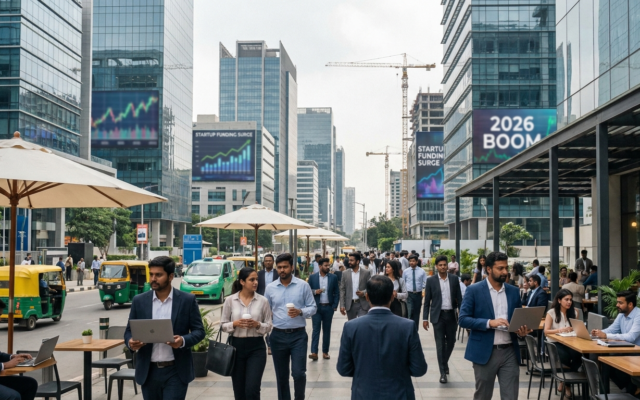
For years, the narrative of Indian entrepreneurship was dominated by the gleaming skyscrapers of Mumbai, Bengaluru, and Delhi NCR. These metropolises were seen as the only launchpads for ambitious startups, drawing in venture capital and top talent. However, as we stand in August 2026, a powerful undercurrent is reshaping this landscape. A wave of innovation is surging from India’s Tier-2 cities, proving that groundbreaking ideas and successful ventures can blossom far from the traditional hubs. These cities, often overlooked in the past, are now becoming vibrant centres of technological advancement and economic growth.
We’re witnessing a significant decentralisation of entrepreneurial activity. Cities like Pune, Jaipur, Ahmedabad, and even emerging centres like Coimbatore and Visakhapatnam are carving out their own niches. They offer a compelling blend of affordability, a burgeoning skilled workforce, and a growing appreciation for innovation. This shift isn’t just about cost-saving; it’s about unlocking untapped potential and fostering a more inclusive startup ecosystem across the nation. The spirit of ‘Atmanirbhar Bharat’ (Self-Reliant India) is finding fertile ground in these dynamic urban centres.
Unlocking the Potential: Why Tier-2 Cities Are the New Frontier
The economics of setting up and running a startup in a Tier-2 city are undeniably attractive. Rental costs for office spaces can be up to 40% lower than in their Tier-1 counterparts, a substantial saving for early-stage companies where every rupee counts. Operational expenses, from salaries to daily logistics, are also considerably more manageable. This financial advantage allows startups to stretch their seed funding further, giving them more runway to develop their products, refine their business models, and achieve product-market fit without the immediate pressure of astronomical burn rates.
Beyond cost, the talent pool is a significant draw. While metros might attract the absolute top-tier graduates, Tier-2 cities boast a strong contingent of skilled professionals graduating from reputable local engineering colleges and universities. These individuals are often more rooted in their hometowns, less prone to frequent job changes, and bring a deep understanding of local market nuances. Furthermore, as remote work becomes increasingly mainstream, geographical boundaries are less of a barrier to hiring, allowing startups in these cities to access a wider talent pool without the need for extensive relocation.
The Pune Powerhouse: A Case Study in Growth
Pune, for instance, has long been an educational and automotive hub, and it has successfully leveraged these strengths to foster a thriving startup scene. Its proximity to Mumbai provides a strategic advantage, while its own robust IT and manufacturing sectors have bred a culture of technical expertise. Companies in areas like automotive technology, advanced manufacturing, and fintech are finding a welcoming environment. The city’s quality of life also plays a role, attracting skilled professionals who seek a balance between career growth and personal well-being.
Jaipur, often celebrated for its rich cultural heritage, is surprisingly becoming a hotbed for digital and creative startups. The city’s accessibility, coupled with a growing appreciation for design and digital marketing, has led to a surge in agencies and platforms catering to these needs. Similarly, Ahmedabad, with its strong industrial base, is seeing innovation spill over into areas like cleantech and edtech, building on its legacy of enterprise. These cities are not just replicating the metro model; they are creating unique ecosystems tailored to their strengths.
Government Support and Infrastructure: The Catalysts for Change
The Indian government’s commitment to fostering entrepreneurship across the nation, particularly through initiatives like the Startup India Seed Fund Scheme and the National Policy for Startups, is a crucial enabler. These policies are designed to provide financial assistance, mentorship, and a streamlined regulatory environment, benefiting startups irrespective of their geographical location. For Tier-2 cities, these programs act as vital catalysts, providing the much-needed initial push and ongoing support to nurture nascent ventures.
Furthermore, the relentless expansion of digital infrastructure across India has levelled the playing field significantly. Reliable internet connectivity, accessible cloud computing services, and the widespread adoption of digital payment systems mean that a startup in a Tier-2 city can operate with the same efficiency as one in a Tier-1 metro. This digital transformation has democratised access to markets, resources, and global opportunities, allowing innovation to flourish from virtually anywhere. The Digitize India initiative, launched in 2025, has further accelerated this trend, ensuring robust connectivity even in smaller towns.
The Gujarat Model: A Blueprint for Decentralised Growth
Gujarat, with its proactive approach to industrial development and entrepreneurship, offers a compelling blueprint. Beyond Ahmedabad, cities like Surat and Vadodara are actively promoting startup culture through dedicated incubation centres and policy support. The state government’s focus on creating a business-friendly environment, coupled with its strong industrial backbone, has attracted significant investment. This proactive approach ensures that growth is not concentrated in a single urban centre but is spread across the state, creating regional economic engines.
The success stories emerging from these cities are not just about economic indicators; they represent a broader democratisation of opportunity. Aspiring entrepreneurs from smaller towns no longer feel compelled to migrate to crowded metros to pursue their dreams. They can build successful businesses within their own communities, contributing to local economic development and creating jobs closer to home. This decentralised growth is vital for a balanced and inclusive national development strategy.
Investment Trends: Where the Venture Capital is Flowing
Initially, venture capital (VC) firms were hesitant to invest heavily in Tier-2 cities, often preferring the perceived safety and established networks of the metros. However, this perception is rapidly evolving. As more successful startups emerge from these regions, VCs are increasingly recognising the immense untapped potential and the attractive valuations. Investment in Tier-2 cities has seen a steady year-on-year growth of over 25% since 2023, a trend that is only expected to accelerate.
This shift is driven by a combination of factors. Firstly, the sheer number of promising ventures emerging from these centres cannot be ignored. Secondly, the lower operational costs translate to potentially higher returns on investment. Many VCs are now establishing dedicated funds or actively seeking out opportunities in these emerging hubs. They are leveraging technology to conduct due diligence remotely and are building networks of local advisors to better understand the market dynamics.
Surprising Fact: The Rise of Agri-Tech in Rural-Adjacent Hubs
A surprising trend we’re observing is the significant growth in agri-tech startups based in cities that are close to major agricultural belts, such as those around Coimbatore and parts of Andhra Pradesh. These ventures are leveraging technology to improve crop yields, streamline supply chains, and enhance farmer incomes. This focus on a fundamental sector, powered by cutting-edge technology, showcases the diverse nature of innovation happening beyond the typical tech-centric narratives. It highlights how startups are addressing real-world challenges in their local contexts.
Furthermore, the increasing success of Indian startups on the global stage, regardless of their origin city, instils confidence in investors. The focus is shifting from location to the strength of the idea, the execution capabilities of the team, and the market potential. This is a positive development for the entire ecosystem, encouraging a more meritocratic and geographically diverse investment landscape.
“The true measure of India’s startup success will be its ability to create thriving innovation hubs in every corner of the country, not just in a handful of bustling metros.”
Building the Ecosystem: Mentorship, Incubation, and Community
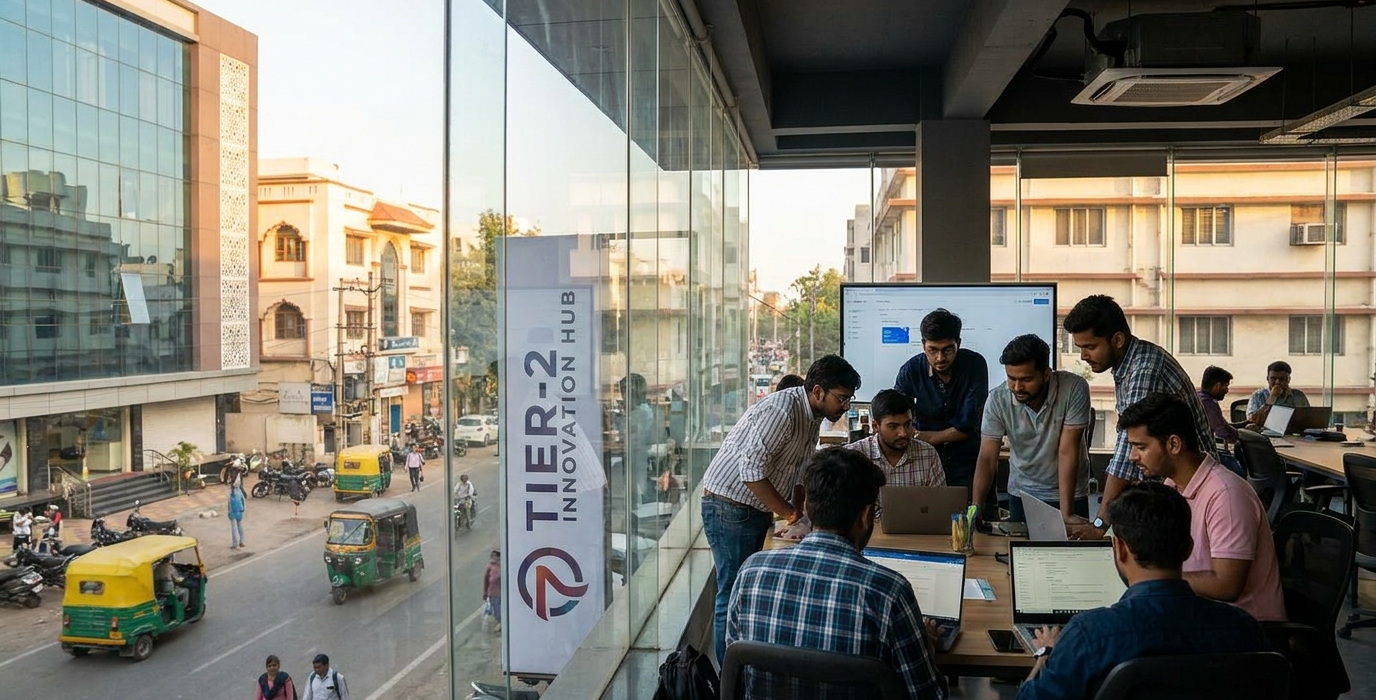
While capital is essential, a robust startup ecosystem requires more than just funding. Mentorship, incubation, and a strong sense of community are equally vital for nurturing young companies. Fortunately, Tier-2 cities are actively working to build these pillars. Numerous incubators and accelerators, often supported by local government bodies and educational institutions, are providing aspiring entrepreneurs with crucial guidance, resources, and networking opportunities.
These incubators offer a structured environment where startups can refine their ideas, access shared facilities, and connect with experienced mentors. Many of these mentors are successful entrepreneurs who have either built companies in these cities or have strong connections to the startup world. This peer-to-peer learning and guidance are invaluable for navigating the complex journey of building a business. The collaborative spirit within these hubs is palpable, with founders often sharing challenges and solutions.
Surprising Fact: The Emergence of Niche Co-working Spaces
Beyond generic co-working spaces, we’re seeing a rise in highly specialised co-working facilities in Tier-2 cities. For example, in cities like Visakhapatnam, dedicated hubs are emerging for deep-tech and R&D-focused startups, offering access to specialized equipment and labs. In Jaipur, spaces catering specifically to design and creative agencies are becoming popular. This trend indicates a maturity in the ecosystem, where infrastructure is being tailored to meet the specific needs of burgeoning industries, rather than a one-size-fits-all approach.
The growth of industry-specific associations and networking events further strengthens the community fabric. These platforms allow entrepreneurs to connect with potential partners, customers, and investors, fostering collaboration and accelerating growth. The emphasis is on building a supportive network where innovation can thrive organically, fuelled by shared knowledge and mutual encouragement. This grassroots development is key to the long-term sustainability of these emerging startup hubs.
The Future Outlook: A Decentralised Powerhouse
As we look ahead to the remainder of 2026 and beyond, the trajectory of Tier-2 cities in India’s startup landscape is undeniably upward. The confluence of favourable economics, a growing talent pool, robust government support, and an expanding digital infrastructure creates a potent recipe for sustained growth. We can expect to see these cities not just competing with metros but carving out their own distinct identities and specialisations within the broader Indian innovation narrative.
The trend towards decentralisation is more than just a geographical shift; it represents a maturing of the Indian entrepreneurial spirit. It signifies a move towards a more equitable distribution of opportunities and a greater harnessing of the nation’s diverse talent. Startups emerging from these hubs are often deeply connected to local needs and challenges, leading to more relevant and impactful innovations. This localised innovation, scaled globally, is the future.
The Global Reach of Tier-2 Innovation
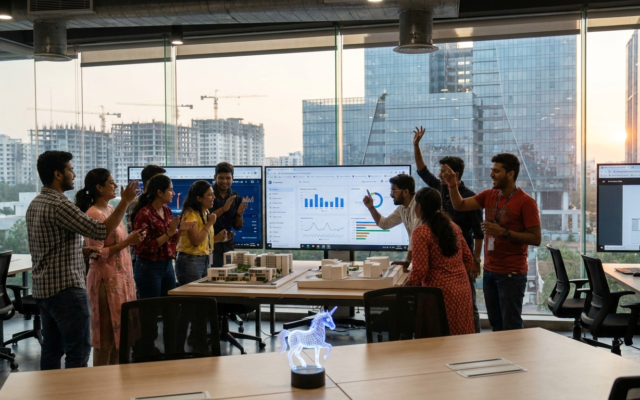
It’s also crucial to note that the success of these Tier-2 startups isn’t confined to the Indian market. Many are already making significant inroads into international markets, proving that the quality of innovation and execution is on par with global standards. This global ambition, coupled with local roots, creates a powerful dynamic. We anticipate seeing more “unicorns” emerge from these cities in the coming years, further solidifying their importance on the global startup map.
The next few years will be critical in solidifying the position of these emerging hubs. Continued investment in infrastructure, sustained policy support, and a focus on fostering world-class talent will be paramount. The story of Indian entrepreneurship is no longer solely about a few select cities; it’s a national saga, with its most exciting chapters now being written in the vibrant, dynamic Tier-2 cities across the country.
Frequently Asked Questions
What are Tier-2 cities in India?
Tier-2 cities in India are typically defined by their population size, economic activity, and infrastructure development, falling below the major metropolitan areas (Tier-1) but significantly above smaller towns and rural areas. Examples include Pune, Jaipur, Ahmedabad, Lucknow, and Coimbatore.
How do operational costs compare between Tier-1 and Tier-2 cities for startups?
Operational costs, particularly for real estate and salaries, are generally 20-40% lower in Tier-2 cities compared to Tier-1 metros like Mumbai or Bengaluru. This allows startups to maximise their initial funding and extend their runway.
Are venture capital investments increasing in Tier-2 cities?
Yes, venture capital investment in Tier-2 cities has seen substantial growth. As more successful startups emerge from these regions, investors are increasingly recognising their potential, leading to a higher influx of capital.
What government initiatives support startups in Tier-2 cities?
Key initiatives include the Startup India Seed Fund Scheme, which provides financial assistance, and various state-level policies promoting entrepreneurship. The Digital India programme also plays a crucial role by improving digital infrastructure nationwide.