Key Takeaways
- Indian cinema in 2026 is a mosaic of genres, with regional films gaining significant traction and challenging Bollywood’s traditional dominance.
- Streaming platforms are democratising content creation and consumption, fostering niche storytelling and global reach for Indian narratives.
- Audiences are increasingly seeking authenticity, with a growing preference for grounded stories, relatable characters, and a departure from formulaic plots.
- Technological advancements, including AI-assisted filmmaking and immersive viewing experiences, are subtly reshaping how films are made and enjoyed.
The Shifting Sands of Bollywood’s Reign
The year 2026 marks a fascinating inflection point for Indian cinema. While the allure of grand Bollywood productions remains, a powerful undercurrent of change is reshaping the landscape. We’re witnessing a significant decentralisation of cinematic power, with regional industries not just producing quality content but actively influencing national trends. Films originating from South India, particularly in Tamil and Telugu, continue to captivate audiences far beyond their home states, showcasing a vibrant storytelling prowess. This isn’t just about dubbed versions; it’s about genuine cultural exchange and a recognition that compelling narratives transcend linguistic barriers.
Bollywood, long the undisputed king, is finding itself in a dynamic dance with these emerging forces. Instead of a direct confrontation, we’re seeing a subtle yet profound evolution. Major studios are increasingly looking towards regional successes for inspiration and talent, blurring the lines between what was once considered distinct cinematic universes. This cross-pollination is leading to more diverse thematic explorations and a richer tapestry of cinematic expression across the nation. The era of a single dominant narrative is giving way to a multitude of voices, each contributing to a more robust and representative Indian film industry.
Regional Powerhouses: More Than Just a Trend
The rise of regional cinema in 2026 is far more than a fleeting trend; it’s a fundamental recalibration of the Indian film ecosystem. Industries like Tamil, Telugu, Malayalam, and Bengali cinema have consistently delivered films that resonate deeply with audiences, often tackling social issues, historical narratives, and slice-of-life stories with unparalleled authenticity. These films frequently achieve pan-Indian success, proving that quality storytelling and relatable characters are universal currency. Consider the recent acclaim for a Malayalam drama that sensitively explored intergenerational trauma in a small Kerala village, or a Tamil historical epic that meticulously reconstructed a forgotten dynasty, both finding massive audiences in non-native speaking regions.
What’s particularly striking is the growing confidence within these regional industries to experiment with genres and storytelling techniques that might have once been considered the exclusive domain of Bollywood. They are not just replicating success; they are forging their own paths. This has led to a surge in innovative filmmaking, where technical brilliance is often matched by profound emotional depth. For viewers, this means a wider, more exciting array of cinematic experiences available at their fingertips, moving beyond the familiar tropes and embracing a world of diverse narratives waiting to be discovered. This decentralisation is a win for creativity and for the Indian audience.
The Streaming Revolution: Democratising Dreams
The impact of streaming platforms on Indian cinema in 2026 cannot be overstated. Services like Netflix, Amazon Prime Video, Disney+ Hotstar, and emerging Indian platforms have fundamentally democratised content creation and distribution. They have provided a vital space for stories that might not have found a theatrical release, fostering niche genres and experimental narratives. This has empowered filmmakers from all corners of India to tell their stories without the traditional gatekeepers of the mainstream industry. We’re seeing a proliferation of high-quality web series and films that cater to specific interests, from true-crime documentaries to intimate relationship dramas set in Tier-2 cities.
This accessibility has also dramatically broadened the audience for Indian cinema. Content is no longer confined by geography or linguistic barriers; a viewer in Mumbai can instantly access a critically acclaimed Bengali film, and vice versa. This global reach is not only beneficial for Indian filmmakers seeking a wider audience but also for international viewers looking to explore the rich tapestry of Indian storytelling. The economics of film production have also shifted, with streaming services often willing to invest in ambitious projects that offer unique artistic visions, thereby nurturing a more diverse and experimental cinematic landscape. The digital age has truly opened the floodgates for creative expression.
Authenticity Takes Centre Stage: The Audience Demands Realness
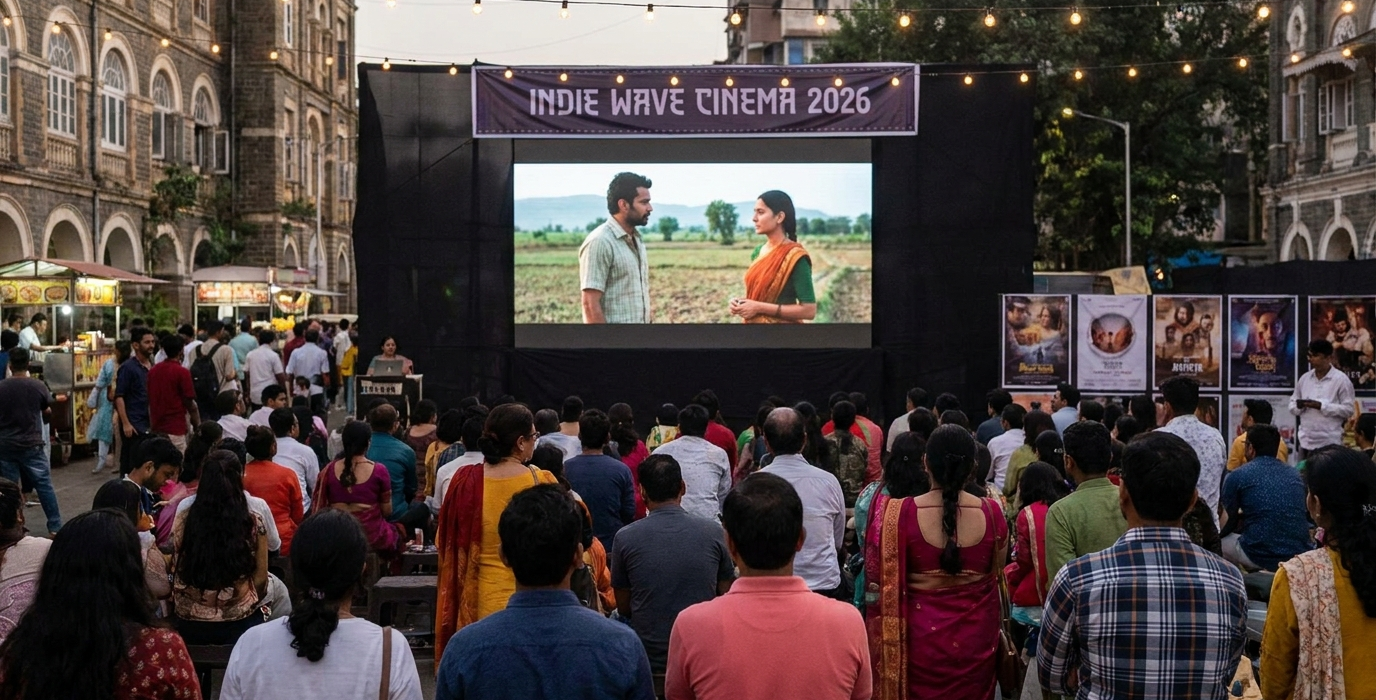
In 2026, the Indian audience is increasingly sophisticated and discerning, demanding authenticity and relatability in the stories they consume. There’s a palpable shift away from formulaic, larger-than-life narratives that often felt disconnected from everyday realities. Instead, viewers are gravitating towards films and series that offer grounded perspectives, explore complex human emotions, and feature characters they can truly connect with. This has led to a surge in critically acclaimed projects that delve into the nuances of Indian life, from the struggles of small business owners in a bustling Delhi market to the quiet aspirations of a young woman in a rural Rajasthani village.
This demand for realism extends to the portrayal of social dynamics, cultural practices, and even the visual aesthetics of films. Filmmakers are being rewarded for depicting life as it is, rather than as an idealized fantasy. This has encouraged a more nuanced and diverse representation of Indian society on screen, moving beyond stereotypes and exploring the multifaceted experiences of its people. The success of independent films and arthouse productions, often found on streaming platforms, is a testament to this evolving audience preference. They are no longer content with mere escapism; they seek stories that reflect their own lives and aspirations, making cinema a mirror to society.
Technological Undercurrents: AI, VR, and the Future of Film
While the narrative and thematic shifts are prominent, it’s crucial to acknowledge the subtle yet significant technological advancements shaping Indian cinema in 2026. Artificial intelligence is beginning to make its mark, not necessarily in replacing human creativity, but in augmenting it. AI-powered tools are assisting in everything from script analysis and character development to visual effects rendering and post-production workflows. For instance, AI algorithms are being used to optimise editing sequences and even to generate realistic digital environments more efficiently. This allows filmmakers to focus more on artistic vision and less on time-consuming technical processes.
Beyond AI, the exploration of immersive technologies like virtual reality (VR) and augmented reality (AR) is also gaining traction, albeit in nascent stages for mainstream film. While feature-length VR films are still a niche, interactive experiences and AR integrations are starting to appear, offering audiences new ways to engage with film narratives. Imagine a historical drama where you can virtually “walk through” a recreated ancient city or a musical where AR elements enhance live performances. These technologies promise to redefine the cinematic experience, transforming passive viewing into active participation and opening up entirely new avenues for storytelling and audience engagement. The integration of these tools promises a future where visual fidelity and interactive storytelling go hand in hand.
Beyond the Box Office: Metrics of Success in 2026
The definition of success in Indian cinema is undergoing a significant transformation in 2026. While box office collections remain a key metric, especially for large-scale productions, they are no longer the sole arbiter of a film’s impact. Critical acclaim, audience reception on digital platforms, and the film’s ability to spark conversations about social issues are increasingly being recognised as vital indicators of success. A small-budget film that garners rave reviews and resonates deeply with a specific audience, even if its box office numbers are modest, can be considered a significant achievement.
This broadened perspective is particularly evident with the rise of streaming platforms. The success of a web series is often measured by subscriber engagement, viewer retention rates, and social media buzz, rather than traditional ticket sales. Furthermore, the global reach achieved by Indian films through these platforms is a new benchmark. A film that finds a dedicated international following and cultural impact is now viewed as a major success, transcending geographical limitations. This shift encourages filmmakers to prioritize artistic merit and meaningful storytelling, knowing that diverse forms of appreciation can lead to recognition and future opportunities. It signifies a healthier, more holistic ecosystem for cinematic achievement.
“Indian cinema in 2026 is a vibrant tapestry where regional narratives are weaving themselves into the national consciousness, and technology is quietly enhancing the art of storytelling, rather than dictating it. The audience’s demand for authenticity is the strongest thread, pulling filmmakers towards more grounded and relatable experiences.”
Frequently Asked Questions
What are the biggest trends in Indian films in 2026?
The biggest trends include the growing influence of regional cinema, the democratising effect of streaming platforms, and a strong audience preference for authentic, relatable stories over formulaic blockbusters. Technological advancements like AI are also subtly impacting production.
Is Bollywood still the dominant force in Indian cinema?
While Bollywood remains significant, its traditional dominance is being challenged by powerful regional film industries (Tamil, Telugu, etc.) that are gaining national and international appeal. There’s also a greater diversity of successful content emerging from various Indian states.
How are streaming platforms changing Indian cinema?
Streaming platforms are providing a vital space for niche genres and experimental storytelling, democratising content creation and distribution. They’ve also significantly expanded the audience for Indian films both domestically and globally, allowing for more diverse narratives to find their viewership.
What kind of stories are audiences looking for in 2026?
Audiences are actively seeking authentic narratives that reflect real-life experiences, complex characters, and grounded social issues. There’s a noticeable move away from heavily stylized or unrealistic plots towards stories that offer genuine emotional resonance and relatability.