Key Takeaways
- India’s economy has shown remarkable resilience, navigating global headwinds to achieve sustained growth over the past decade.
- The nation’s GDP has significantly expanded, driven by a combination of domestic consumption, manufacturing prowess, and digital transformation.
- Key sectors like services, manufacturing, and agriculture have all contributed to this impressive economic expansion, demonstrating diversification.
- Looking ahead, India is poised to remain a leading global growth engine, with continued focus on infrastructure, innovation, and inclusive development.
A Decade of Unprecedented Economic Ascent
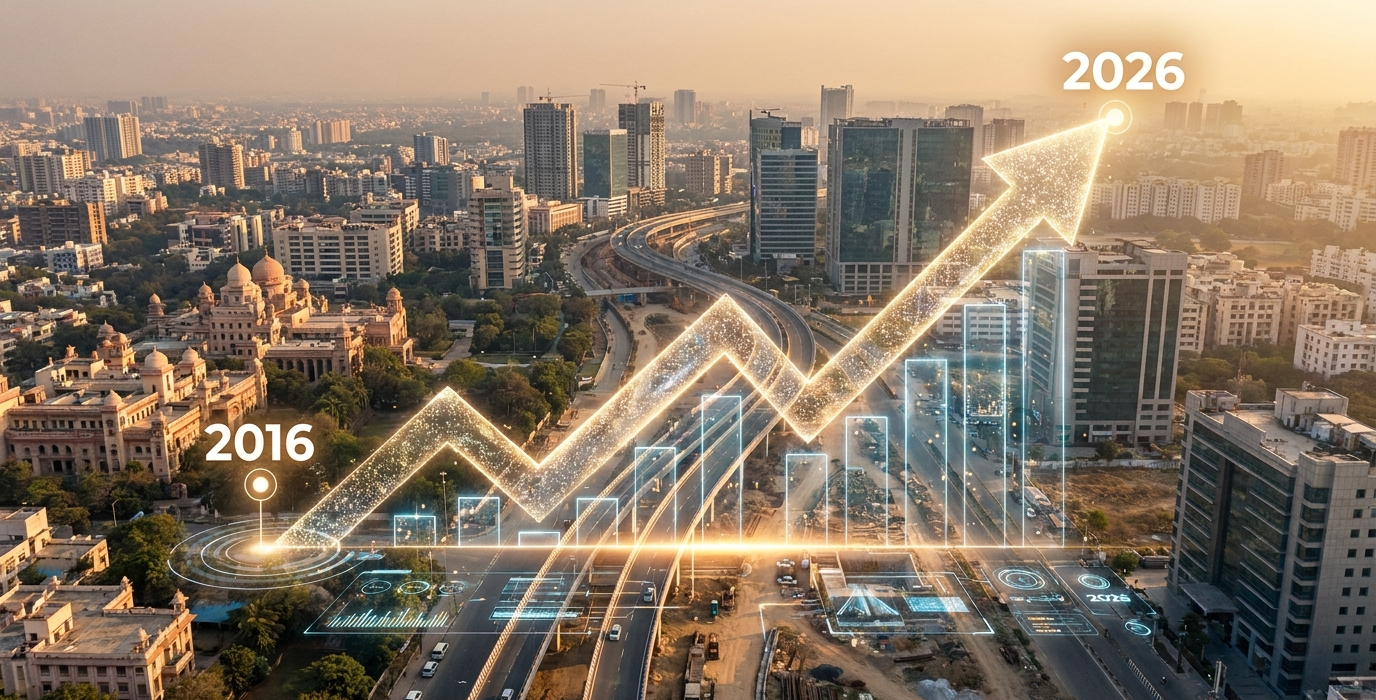
As we stand in August 2026, it’s crucial to reflect on India’s economic journey over the last ten years. From 2016 to the present, the nation has charted a course of remarkable growth, transforming from a developing economy to a formidable global player. This period has witnessed India consistently outperforming many of its peers, a testament to its robust domestic demand and increasing integration into the global supply chain.
The narrative of India’s economic ascent isn’t just about numbers; it’s about the tangible impact on the lives of its citizens. Millions have been lifted out of poverty, and a burgeoning middle class now fuels a dynamic consumer market. This sustained expansion has been carefully managed, with policymakers adapting to global shifts and domestic challenges. We’ve seen a proactive approach to economic reforms that have laid a strong foundation for future prosperity.
This decade has been characterized by a strategic focus on building a self-reliant yet globally connected economy. Initiatives aimed at boosting domestic manufacturing, fostering innovation, and enhancing digital infrastructure have been central to this strategy. These efforts have not only strengthened the economy but also positioned India as a crucial hub for global trade and investment.
Decoding the Drivers of India’s Growth Engine
Several key factors have propelled India’s impressive GDP growth over the past decade. At the forefront is the unwavering strength of domestic consumption. With a young and aspirational population, demand for goods and services has remained a consistent engine of economic activity. This internal market resilience has provided a crucial buffer against global economic uncertainties.
Beyond consumption, India’s manufacturing sector has undergone a significant transformation. Government initiatives like ‘Make in India’ and the Production Linked Incentive (PLI) schemes have incentivized domestic production and attracted foreign investment. This has led to increased output and employment in sectors ranging from electronics and automobiles to pharmaceuticals and textiles.
The digital revolution has also played a pivotal role. The widespread adoption of smartphones and affordable data has unlocked new avenues for e-commerce, fintech, and digital services. This digital transformation has not only improved efficiency across industries but also created new business models and job opportunities. We’ve seen how digital payment systems, for instance, have revolutionized transactions across the country, from bustling metros like Mumbai to remote villages in Rajasthan.
A Surprising Contributor: The Rise of the Gig Economy
One of the most significant, and perhaps underestimated, drivers has been the rapid expansion of the gig economy. Platforms facilitating freelance work, delivery services, and on-demand labor have created millions of new income-earning opportunities. This flexible employment model has empowered individuals and contributed substantially to household incomes, further bolstering consumption.
Navigating Global Headwinds and Domestic Reforms
India’s economic journey over the past decade has not been without its challenges. The nation has adeptly navigated global economic volatility, including trade tensions and supply chain disruptions. Policymakers have demonstrated a remarkable ability to implement timely and effective reforms that have bolstered economic stability and fostered investor confidence.
The introduction of the Goods and Services Tax (GST) in 2017, though initially met with some adjustment pains, has since streamlined indirect taxation, creating a more unified national market. This reform has been instrumental in improving the ease of doing business and enhancing transparency. We’ve witnessed its positive impact on logistics and supply chain efficiency across the nation.
Furthermore, the government’s sustained focus on infrastructure development has been a cornerstone of its growth strategy. Investments in roads, railways, ports, and airports have improved connectivity, reduced logistics costs, and facilitated smoother movement of goods and people. This has been particularly crucial for unlocking the potential of less developed regions and integrating them into the national economic mainstream.
The Impact of Digital Infrastructure
The rollout of robust digital infrastructure, including the expansion of broadband internet and the development of digital public goods, has been equally transformative. This has not only supported the growth of the digital economy but also enabled better delivery of public services and improved financial inclusion, reaching even the most remote corners of the country.
Sectoral Success Stories: From Agriculture to Advanced Technology
India’s economic dynamism is reflected in the robust performance of its diverse sectors. While services continue to be the largest contributor to GDP, the manufacturing sector has witnessed a significant uplift. Initiatives aimed at boosting domestic production have led to increased capacity and technological advancement in areas like electronics, automobiles, and specialized chemicals. This diversification is key to long-term sustainable growth.
The agricultural sector, the backbone of rural India, has also seen gradual modernization. While challenges remain, increased focus on technology adoption, improved irrigation facilities, and better market linkages has led to higher productivity and income for farmers. Innovations in agri-tech are steadily transforming traditional farming practices across states like Punjab and Haryana.
The services sector, encompassing IT, financial services, healthcare, and tourism, continues to be a major employment generator and a significant contributor to exports. India’s IT hubs like Bengaluru and Hyderabad remain global leaders in software development and IT-enabled services. The growth in specialized services, such as fintech and edtech, has been particularly striking, fueled by technological advancements and evolving consumer needs.
A Surprising Data Point: India’s Renewable Energy Push
It might surprise many to learn that India has emerged as a global leader in renewable energy capacity addition. Over the past decade, significant investments in solar and wind power have not only contributed to energy security but also created a new industrial ecosystem with substantial job creation. This focus on green energy is shaping a more sustainable economic future.
India’s Position on the Global Economic Stage
Over the last ten years, India has firmly established itself as one of the fastest-growing major economies in the world. Its large and young population, coupled with a growing middle class, presents a massive domestic market that is attractive to global investors. This demographic advantage, combined with a stable policy environment, has led to increased foreign direct investment (FDI) inflows.
The nation’s increasing integration into global supply chains has also been a key factor. As global companies look to diversify their manufacturing bases, India has emerged as a preferred destination due to its skilled workforce and growing industrial capabilities. This has led to a rise in India’s share of global manufacturing output, particularly in high-value sectors.
India’s proactive stance in international forums and its growing diplomatic influence further underscore its rising economic stature. The country’s commitment to multilateralism and its role in shaping global economic discourse have solidified its position as a key player in the international arena. We are witnessing India take on a more prominent leadership role in global economic discussions.
| Metric | 2016 (Approx.) | 2026 (Projected) | Growth Factor |
|---|---|---|---|
| Nominal GDP (USD Trillions) | 2.4 | 4.5 | ~1.9x |
| Per Capita Income (USD) | 1,700 | 3,200 | ~1.9x |
| FDI Inflows (USD Billions) | 45 | 80 | ~1.8x |
The Road Ahead: Sustaining Momentum and Inclusivity
As we look beyond 2026, India’s economic trajectory remains exceptionally bright. The focus will continue to be on sustaining the growth momentum while ensuring that the benefits of economic progress are shared equitably across all sections of society. Continued investment in human capital, particularly in education and healthcare, will be paramount.
Further strengthening the manufacturing and export sectors will be crucial for continued expansion. Policies will likely aim to enhance competitiveness, foster innovation, and promote value addition. The government’s commitment to ease of doing business and reducing regulatory hurdles will remain a key priority for attracting and retaining investment.
The digital transformation will continue to be a significant enabler, driving efficiency and creating new opportunities. Greater emphasis will be placed on developing advanced technologies and fostering a robust R&D ecosystem. This will ensure India remains at the forefront of global innovation and technological advancement, driving economic growth and societal progress.
“India’s economic story over the past decade is one of resilience, strategic reform, and immense potential. The nation has not just grown; it has evolved, becoming a more integrated, innovative, and dynamic global economic force.”
Frequently Asked Questions
What has been the average GDP growth rate of India in the last 10 years?
India has consistently maintained one of the highest average GDP growth rates among major economies globally over the past decade, often hovering in the 6-8% range, demonstrating remarkable economic vitality.
What are the key sectors driving India’s economic growth?
The primary drivers include the services sector (IT, finance, healthcare), a rapidly expanding manufacturing sector (aided by ‘Make in India’ and PLI schemes), and a modernizing agricultural sector, all bolstered by strong domestic consumption and digital adoption.
How has digital transformation impacted India’s economy?
Digital transformation has revolutionized payments, e-commerce, and service delivery, creating new business models, improving efficiency across industries, and significantly boosting financial inclusion. It has also spurred the growth of sectors like fintech and edtech.
What is India’s projected economic outlook for the next decade?
Projections indicate continued strong growth, with India expected to remain a leading global economic powerhouse, driven by its young demographic, ongoing infrastructure development, and a strategic push towards innovation and sustainable practices.