In the whirlwind of our modern lives, finding time for a nutritious and satisfying lunch can feel like a Herculean task. Between early morning meetings, urgent deadlines, and the general hustle of the day, what we eat at midday often becomes an afterthought. Yet, a well-prepared lunch isn’t just about filling our stomachs; it’s about refueling our bodies and minds, boosting our productivity, and setting a positive tone for the rest of our day. This is especially true for those of us in India, where the midday meal is a cherished tradition, a moment of pause and sustenance before the afternoon’s exertions.
At The Daily Zap, we understand the pressure. That’s why we’ve curated a collection of quick, easy, and utterly delicious lunch ideas designed for your busiest days. These recipes are crafted with simplicity and speed in mind, utilizing readily available ingredients and minimal preparation time. We believe that eating well shouldn’t be a luxury reserved for weekends. You deserve a flavourful, wholesome lunch, even when time is your most precious commodity. So, let’s dive into some culinary solutions that will transform your midday meal from a rushed affair into a moment of genuine pleasure and nourishment.
We’ve focused on recipes that can be prepared in under 30 minutes, or, even better, assembled with pre-prepped ingredients. Think vibrant salads, speedy curries, and inventive uses of leftovers. Our goal is to empower you to make healthier choices without sacrificing taste or time. We’ll explore options that cater to diverse palates and dietary needs, ensuring there’s something for everyone. Get ready to discover your new weekday lunch favourites.
The One-Pan Wonder: Speedy Vegetable Pulao
When faced with a tight schedule, the beauty of a one-pan meal cannot be overstated. It means less washing up and more time enjoying your food. Our Speedy Vegetable Pulao is a testament to this principle, a fragrant and filling rice dish that comes together in a single pot.
Start by heating a tablespoon of ghee or oil in a heavy-bottomed pot or pressure cooker over medium heat. Add a teaspoon of cumin seeds, a bay leaf, and a few cloves. Once they begin to splutter, toss in half a cup of finely chopped onions. Sauté until they turn translucent, then add a tablespoon of ginger-garlic paste and cook for another minute until fragrant. Now, introduce your favourite vegetables: a cup of mixed chopped veggies like carrots, peas, beans, and cauliflower. Stir them in and cook for 2-3 minutes.
Next, add a cup of washed basmati rice and gently stir to coat the grains. Pour in 1.75 cups of water, add half a teaspoon of turmeric powder, salt to taste, and a pinch of garam masala. If you have some chopped tomatoes, add them now for a burst of freshness. For a richer flavour, a tablespoon of yogurt can also be stirred in. Cover the pot and cook on low heat for about 15-20 minutes, or until the rice is cooked and the water is absorbed. If using a pressure cooker, cook for just one whistle. Serve hot, perhaps with a dollop of yogurt or a simple raita.
This pulao is incredibly versatile. You can swap out vegetables based on what’s seasonal and available in your kitchen. For an extra protein boost, toss in some boiled chickpeas or paneer cubes towards the end of cooking. The aroma alone is enough to make your colleagues jealous when you’re working from the office! A surprising fact about basmati rice is its unique aroma, which comes from a chemical compound called 2-acetyl-1-pyrroline, found in much higher concentrations than in other rice varieties.
The Power of Leftovers: Masala Egg Bhurji Wraps
We all know that Sunday lunches often involve generous portions, leading to delicious leftovers. Instead of reheating the same meal, why not transform them into something exciting? Our Masala Egg Bhurji Wraps are perfect for this, turning yesterday’s dinner into today’s speedy lunch.
The star of this wrap is the Masala Egg Bhurji. If you don’t have leftovers, it’s quick to make: scramble 2-3 eggs with finely chopped onions, tomatoes, green chilies, and a pinch of turmeric, red chili powder, and salt. Cook until the eggs are just set and fluffy. You can also add a bit of chopped coriander for freshness. The beauty of bhurji is its adaptability; it’s a forgiving dish that can be customized easily.
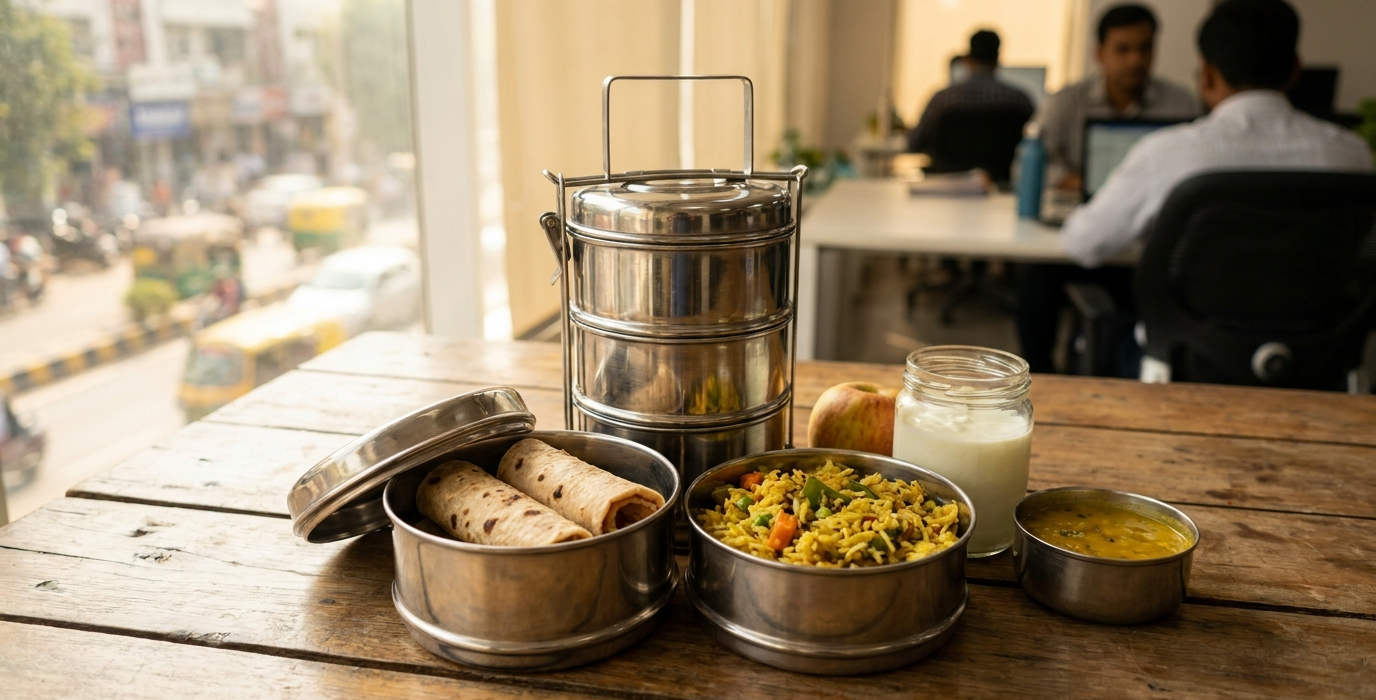
Now, for the wrap. Take two whole wheat rotis or chapatis – leftover ones are ideal. Warm them gently on a tawa. Spread a thin layer of green chutney or tamarind chutney on each roti. Spoon the prepared egg bhurji generously onto one half of each roti. You can add a sprinkle of grated cheese, some finely shredded lettuce, or thinly sliced onions and tomatoes for extra crunch and flavour. If you have leftover aloo sabzi or any other vegetable preparation, a small portion can also be added for a more substantial filling.
Roll up the rotis tightly, tucking in the sides to prevent the filling from spilling. These wraps are easy to hold and eat, making them perfect for a desk lunch or a picnic. They’re packed with protein and fibre, keeping you full and energized. A surprising cultural tidbit: in many parts of India, the simple roti is considered a complete meal in itself, a symbol of sustenance and tradition that has been passed down through generations. Its adaptability into wraps like this shows its enduring relevance.
The Vibrant & Fresh: Spiced Chickpea and Cucumber Salad
For those days when you crave something light, refreshing, and packed with nutrients, a vibrant salad is the answer. Our Spiced Chickpea and Cucumber Salad is a delightful combination of textures and flavours, requiring minimal cooking and maximum freshness.
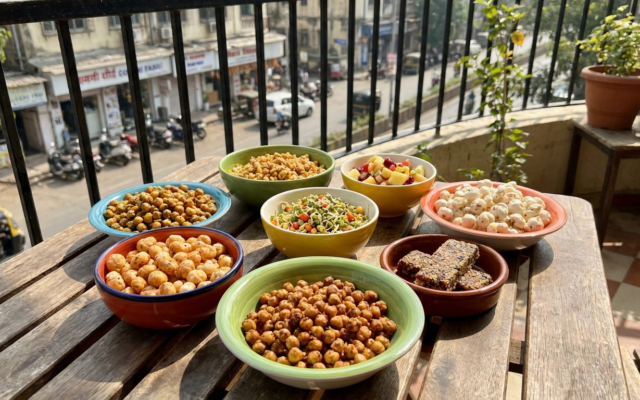
Start with a base of one can (about 400g) of rinsed and drained chickpeas. These are your protein powerhouse. In a large bowl, combine the chickpeas with one finely chopped cucumber, half a chopped red onion, and a handful of chopped fresh mint leaves. If you have some cherry tomatoes, halve them and add them for a pop of colour and sweetness. A quarter cup of chopped bell peppers, any colour you like, adds a nice crunch and vitamin C.
Now, for the dressing. In a small bowl, whisk together two tablespoons of olive oil, one tablespoon of lemon juice, half a teaspoon of ground cumin, a quarter teaspoon of red chili flakes (adjust to your spice preference), and salt and pepper to taste. Pour this dressing over the salad ingredients and toss gently to combine. Ensure everything is well-coated.
This salad is incredibly satisfying on its own, but you can elevate it further. Add some crumbled feta cheese or paneer for creaminess and extra protein. A sprinkle of toasted sesame seeds or sunflower seeds adds a delightful crunch. You could even serve it with a side of whole-grain crackers or a small portion of quinoa. The beauty of this salad lies in its simplicity and the fact that it can be prepped ahead of time. The flavours actually meld together beautifully as it sits. A surprising fact: chickpeas, the humble star of this salad, are believed to have originated in the Fertile Crescent region of the Middle East, with archaeological evidence suggesting their cultivation dates back over 10,000 years!
The Speedy South Indian Classic: Lemon Rice with a Twist
South Indian cuisine is renowned for its vibrant flavours and efficient preparation methods. Lemon Rice (Chitranna) is a classic example – a flavourful rice dish that can be whipped up in minutes, especially if you have leftover rice.
Begin by preparing the tempering (tadka). Heat two tablespoons of oil in a pan. Add a teaspoon of mustard seeds, half a teaspoon of urad dal, and a few curry leaves. Let them splutter and turn golden. Add a pinch of asafoetida (hing) and two to three slit green chilies. If you like it spicy, add a small piece of finely chopped ginger. Sauté for a few seconds.
Now, add half a cup of cooked and cooled rice to the pan. Gently mix the rice with the tempering. Squeeze the juice of one to one and a half lemons over the rice, depending on your preference for tanginess. Add salt to taste, and a pinch of turmeric powder for colour. Stir everything together until the rice is evenly coated. For a delightful twist and added nutrition, stir in a tablespoon of roasted peanuts or cashews, and a generous amount of finely chopped fresh coriander.
This lemon rice is a complete meal on its own, providing carbohydrates and flavour. You can make it more substantial by adding some finely chopped vegetables like carrots or peas to the tempering, or by serving it with a side of simple yogurt or a small portion of a lentil dish. It’s a dish that truly sings with its bright, tangy flavour. A surprising fact: while lemon rice is popular across South India, variations exist, with some regions adding jaggery for a hint of sweetness or including fried gram dal for extra crunch. Its adaptability is part of its enduring charm.
The Comforting & Quick: Dal Tadka with Roti/Rice
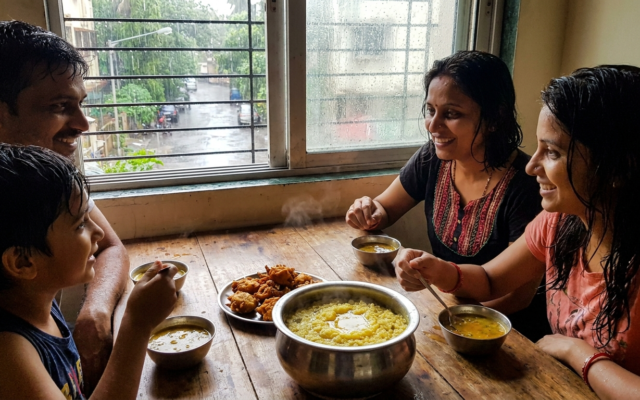
There’s something inherently comforting about a bowl of warm, flavourful dal. Our quick Dal Tadka is designed to bring that familiar warmth to your midday meal without demanding hours in the kitchen. It’s a staple that can be prepared efficiently and enjoyed with simple accompaniments.
Start with half a cup of pre-rinsed yellow lentils (toor dal or moong dal). You can cook these in a pressure cooker with two cups of water and a pinch of turmeric until they are soft and mushy, usually 2-3 whistles. Alternatively, you can cook them in a pot until tender, which might take a bit longer. Once the dal is cooked, mash it slightly with the back of a spoon to achieve a smooth consistency.
Now, for the flavourful tadka. In a small pan, heat two tablespoons of ghee or oil. Add one teaspoon of cumin seeds, half a teaspoon of mustard seeds, and a pinch of asafoetida. Once they splutter, add two to three dry red chilies and sauté for a few seconds. Then, add a tablespoon of finely chopped garlic and a smaller amount of finely chopped ginger. Cook until the garlic turns golden brown. Finally, add half a teaspoon of red chili powder and a pinch of garam masala. Immediately pour this sizzling tadka over the cooked dal. Stir in salt to taste and a handful of chopped fresh coriander leaves.
This dal tadka is wonderfully nutritious and can be paired with warm rotis or a serving of steamed rice. For an extra kick, you can add a squeeze of lime juice just before serving. If you have some leftover cooked vegetables, a small portion can be stirred into the dal for a more complete meal. A surprising fact about lentils: they are incredibly rich in folate, a B vitamin crucial for cell growth and metabolism, making them a true nutritional powerhouse often overlooked in modern diets.
The Innovative Bowl: Curd Rice with a Spicy Vegetable Mix
Curd rice, or Dahi Chawal, is a beloved South Indian comfort food, known for its cooling properties and simplicity. We’re giving it a flavourful, spicy upgrade to make it a satisfying and quick lunch option for busy days.
The base is simple: one cup of cooked and cooled rice mixed thoroughly with one cup of plain yogurt (dahi). Ensure the yogurt is well-whisked to avoid lumps. Season with salt to taste. The key to a good curd rice is the right consistency; it should be creamy but not too watery. You can add a splash of milk if it seems too thick.
Now for the exciting part – the spicy vegetable mix. In a small pan, heat one tablespoon of oil. Add half a teaspoon of mustard seeds, a quarter teaspoon of urad dal, and a pinch of asafoetida. Once they splutter, add a few curry leaves and one or two finely chopped green chilies. Sauté briefly. Then, add a small amount of finely chopped onion and sauté until translucent. Add a quarter cup of finely chopped vegetables like carrots, beans, or bell peppers. Cook them until they are tender-crisp. Stir in a pinch of red chili powder and a touch of garam masala. Turn off the heat.
Spoon this flavourful, spicy vegetable mixture over the prepared curd rice. Garnish with fresh coriander leaves. The contrast between the cool, creamy curd rice and the warm, spicy topping is absolutely delicious. This dish is not only quick to assemble but also incredibly digestive and satisfying. A surprising fact: while curd rice is a staple across South India, its roots can be traced back to ancient Indian traditions of using fermented dairy products for their health benefits and culinary versatility.