Key Takeaways
- The 2026 monsoon’s erratic behaviour, particularly in key rice-producing states like West Bengal, poses a significant threat to national output.
- Delayed onset and uneven distribution of rainfall are stressing standing crops, especially in early-sown paddy fields.
- While the Indian Meteorological Department (IMD) forecasts a near-normal monsoon overall, localized dry spells and intense localised downpours present a complex challenge.
- Farmers are exploring adaptive strategies, including crop diversification and improved water management, to mitigate potential losses.
Monsoon’s Unpredictable Dance: A Growing Concern for India’s Rice Bowl
The monsoon season, the lifeblood of Indian agriculture, has once again shown its capricious nature in 2026. For a nation where rice remains a staple, the patterns of rainfall are not just weather events; they are economic indicators, dietary assurances, and livelihoods. This year, particularly in the fertile plains of West Bengal, often dubbed India’s rice bowl, the monsoon’s rhythm has been anything but steady. We’re seeing a delayed onset in some districts, followed by intense, albeit short-lived, downpours in others.
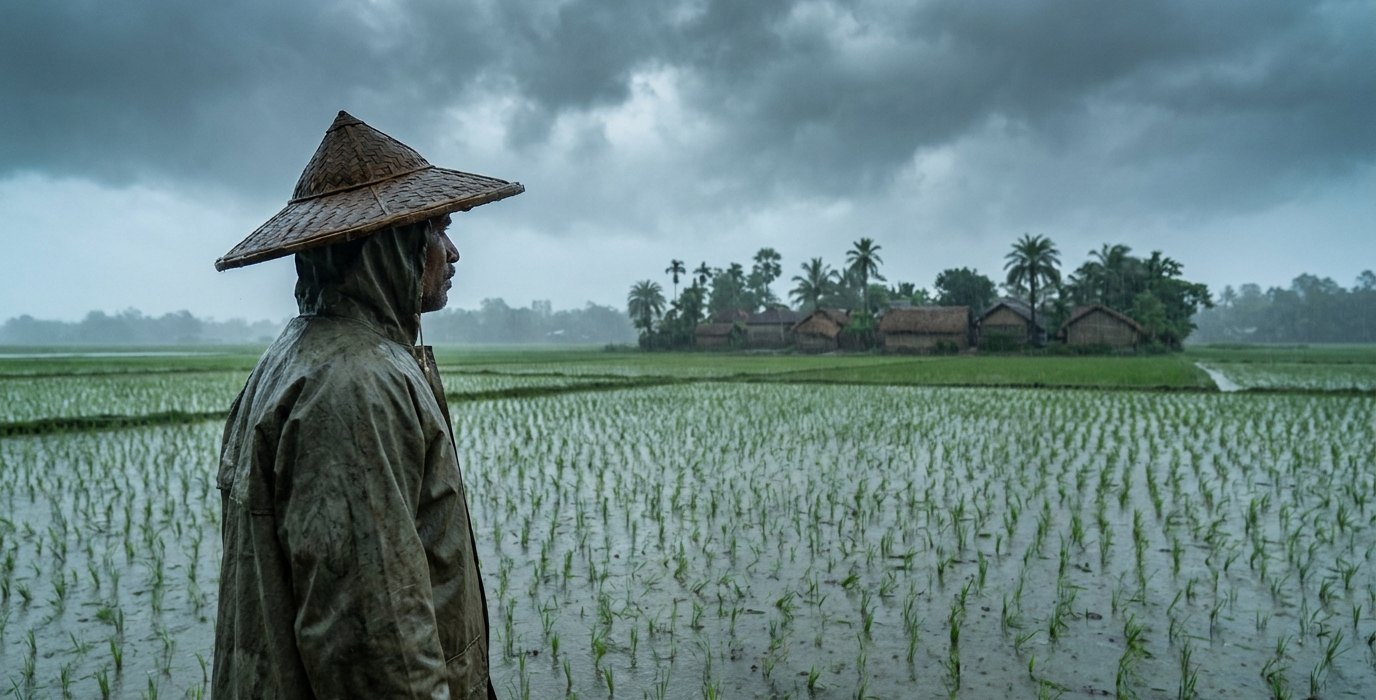
This uneven distribution is creating a precarious situation for millions of farmers. Early-sown paddy, which relies on consistent moisture, is now under severe stress. The delicate stages of tillering and flowering are particularly vulnerable to both drought and waterlogging. We are observing widespread anxiety among agricultural communities as they grapple with the implications of this erratic weather. The national food security, heavily dependent on a robust rice harvest, is thus at the forefront of our concerns.
The Crucial Role of West Bengal
West Bengal, a consistent powerhouse in rice production, contributes a substantial portion to India’s total output. Districts like Burdwan, Hooghly, and Nadia are particularly critical. Their irrigation infrastructure, while developed, is not always equipped to handle extreme weather swings. The current situation demands a closer look at how localized monsoonal patterns are impacting these vital agricultural hubs. Understanding the specific challenges faced by farmers in these regions is paramount to assessing the broader national impact.
Early Signs of Stress: What Farmers Are Observing
Across the rural landscape of West Bengal, conversations inevitably turn to the sky. Farmers, with their generations of experience, can sense the subtle shifts. Many have reported that the initial monsoon showers, which typically arrive by early June, were significantly delayed this year. This pushed back planting schedules, a critical decision that dictates the entire growth cycle of the paddy.
When the rains did arrive, they were often too intense, leading to flash floods in low-lying areas and soil erosion. Conversely, some regions are experiencing prolonged dry spells, leaving the transplanted seedlings struggling to establish roots. This duality of extremes – too much water in one place, not enough in another – is particularly damaging. We’ve heard accounts of young plants wilting under the harsh sun after initial flooding receded, a double blow for already anxious growers. The lack of sustained, moderate rainfall is a significant worry.
Impact on Different Rice Varieties
The vulnerability also varies depending on the type of rice being cultivated. Traditional Aman paddy, a transplanted winter crop, is more susceptible to delayed monsoon onset. Aus paddy, an early-sown summer crop, is facing challenges from the dry spells. The timing of critical growth stages, from germination to grain formation, is intimately linked to the availability of water. Any disruption at these stages can lead to reduced yield and compromised grain quality.
IMD Forecasts vs. Ground Realities: A Tenuous Balance
The Indian Meteorological Department (IMD) has forecast a “near-normal” monsoon for the country in 2026. While this sounds reassuring on a national scale, it often masks significant regional variations. A near-normal average can be achieved through a combination of surplus rainfall in some areas and deficits in others. For a crop as water-dependent as rice, these localized deviations are critically important.
What this means on the ground is that while the national picture might appear balanced, specific agricultural belts could be experiencing severe water stress or inundation. The IMD’s forecast, therefore, needs to be interpreted with caution by farmers and policymakers alike. We must look beyond the aggregate numbers and focus on the micro-level distribution of rainfall. The challenge lies in translating these broad forecasts into actionable intelligence for farmers in specific villages and districts.
The Challenge of Localized Events
A single heavy downpour, while contributing to the overall rainfall tally, can cause more harm than good if it leads to waterlogging. Similarly, a series of dry days, even within a generally ‘normal’ monsoon, can be detrimental to standing crops. The IMD is increasingly refining its localized forecasts, but the sheer scale and diversity of India’s agricultural landscape make this a monumental task. For farmers in remote areas, the immediate reality of their fields often diverges from the generalized meteorological outlook.
“The sky gives, but it also takes away. This year, it feels like it’s playing a game of hide-and-seek with our fields.” – A rice farmer in Birbhum district, West Bengal.
Adaptive Strategies: How Farmers Are Fighting Back
Faced with the unpredictable nature of the monsoon, Indian farmers are not passive observers. They are actively seeking and implementing adaptive strategies to mitigate potential losses. This year, we are seeing a renewed emphasis on water conservation techniques. Traditional methods like building small earthen bunds to retain rainwater in fields are being revived.
Some progressive farmers are also experimenting with drought-resistant rice varieties. These varieties are specifically bred to withstand periods of water scarcity. Crop diversification is another crucial strategy. While rice is dominant, farmers are exploring alternatives like pulses or oilseeds in areas where water availability is a consistent concern. This reduces their reliance on a single, vulnerable crop.
The Role of Technology and Government Support
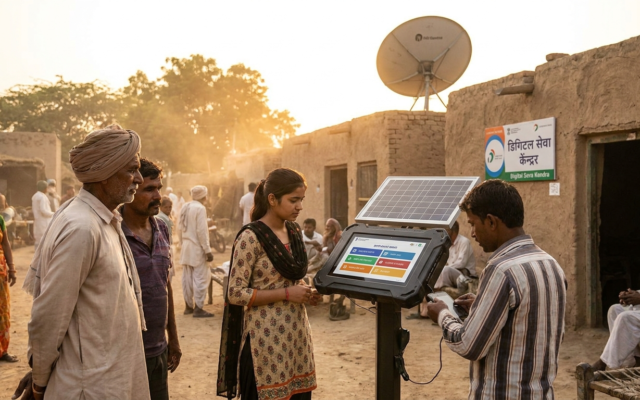
Technological interventions are also playing a role. Mobile applications providing localized weather forecasts and agricultural advisories are gaining traction. Government schemes aimed at promoting efficient irrigation techniques, such as drip irrigation for paddy nurseries, are crucial. However, the reach and effectiveness of these schemes need constant evaluation and improvement. We need to ensure that these resources are accessible to the smallest landholders.
Potential Impact on National Rice Output and Prices
If the current monsoon trends persist and lead to a significant dip in rice production, the implications for India could be substantial. Firstly, national food security, a cornerstone of the government’s policy, could be tested. A reduced domestic supply might necessitate increased imports, impacting foreign exchange reserves.
Secondly, and more immediately, we can anticipate an upward pressure on rice prices. Even a marginal decrease in supply, when demand is consistently high, can lead to significant price hikes. This would disproportionately affect the poor and middle-income households who spend a larger portion of their income on food. We saw a similar, albeit less severe, situation in 2023, and the lessons learned from that period are critical for 2026.
Surprising Fact 1: The Whispering Winds of Rice Pests
An often-overlooked consequence of erratic monsoons is its impact on pest cycles. During prolonged dry spells, certain rice pests, like the brown planthopper, can thrive and multiply rapidly, often undetected until significant damage is done. Conversely, excessive humidity can lead to fungal diseases. The unpredictable weather creates a perfect storm for these agricultural adversaries, requiring constant vigilance and proactive pest management strategies that go beyond typical monsoon preparedness.
Surprising Fact 2: The Subtle Shift in Grain Quality
Beyond just quantity, the quality of the rice grain can also be affected by the monsoon’s vagaries. Unpredictable water availability during the grain-filling stage can lead to chalky grains, broken grains, or a higher incidence of discolored kernels. This not only reduces the marketable yield but can also impact the taste and cooking properties of the rice, affecting consumer satisfaction and potentially market prices. This subtle but significant impact highlights the intricate relationship between weather and the final product on our plates.
| Region | 2025 Average Rice Yield (Tonnes/Hectare) | 2026 Monsoon Impact (Projected) | Potential Yield Change (%) | Key Concerns |
|---|---|---|---|---|
| West Bengal | 3.5 | Delayed onset, uneven distribution | -5% to -10% | Early sown Aus crop stress, Aman crop planting delays |
| Uttar Pradesh | 3.2 | Near-normal with localized dry spells | -2% to -5% | Water availability for irrigation, summer paddy |
| Punjab | 4.8 | Generally favourable, potential for heavy showers | -1% to -3% | Flood risk in low-lying areas, waterlogging |
| Andhra Pradesh | 4.0 | Good rainfall expected, some coastal variations | 0% to -2% | Cyclonic activity during critical stages |
Looking Ahead: Resilience in the Face of Uncertainty
The 2026 monsoon season in India, particularly its impact on rice production in states like West Bengal, presents a complex challenge. While the national forecast offers a degree of optimism, the ground realities for farmers are often more nuanced. The delayed onset and erratic distribution of rainfall are creating significant stress on standing crops.
However, the resilience of Indian agriculture and the adaptability of its farmers offer a glimmer of hope. Through a combination of traditional wisdom, modern techniques, and proactive government support, it is possible to navigate these uncertainties. We must continue to monitor the situation closely, support our farmers, and invest in infrastructure that can better withstand the increasing volatility of our climate. The future of our food security depends on it.
Frequently Asked Questions
What is the IMD’s current forecast for the 2026 monsoon?
The Indian Meteorological Department (IMD) has currently forecast a “near-normal” monsoon for India in 2026. However, this is an aggregate forecast, and localized variations in rainfall distribution are expected.
Are specific rice varieties more vulnerable to the monsoon’s erratic behaviour?
Yes, early-sown Aus paddy varieties are more vulnerable to dry spells, while traditionally transplanted Aman paddy is affected by delayed onset. Water availability during critical growth stages like tillering and flowering is crucial for all varieties.
What are some adaptive strategies farmers are using to cope with the monsoon?
Farmers are employing strategies such as rainwater harvesting, building earthen bunds, adopting drought-resistant rice varieties, and diversifying crops. Some are also utilizing mobile applications for localized weather advisories.
Could a poor monsoon season significantly impact rice prices in India?
A substantial decrease in rice production due to a poor monsoon can lead to upward pressure on prices. This is because even a marginal reduction in supply, with high demand, can cause market prices to rise, affecting consumer affordability.