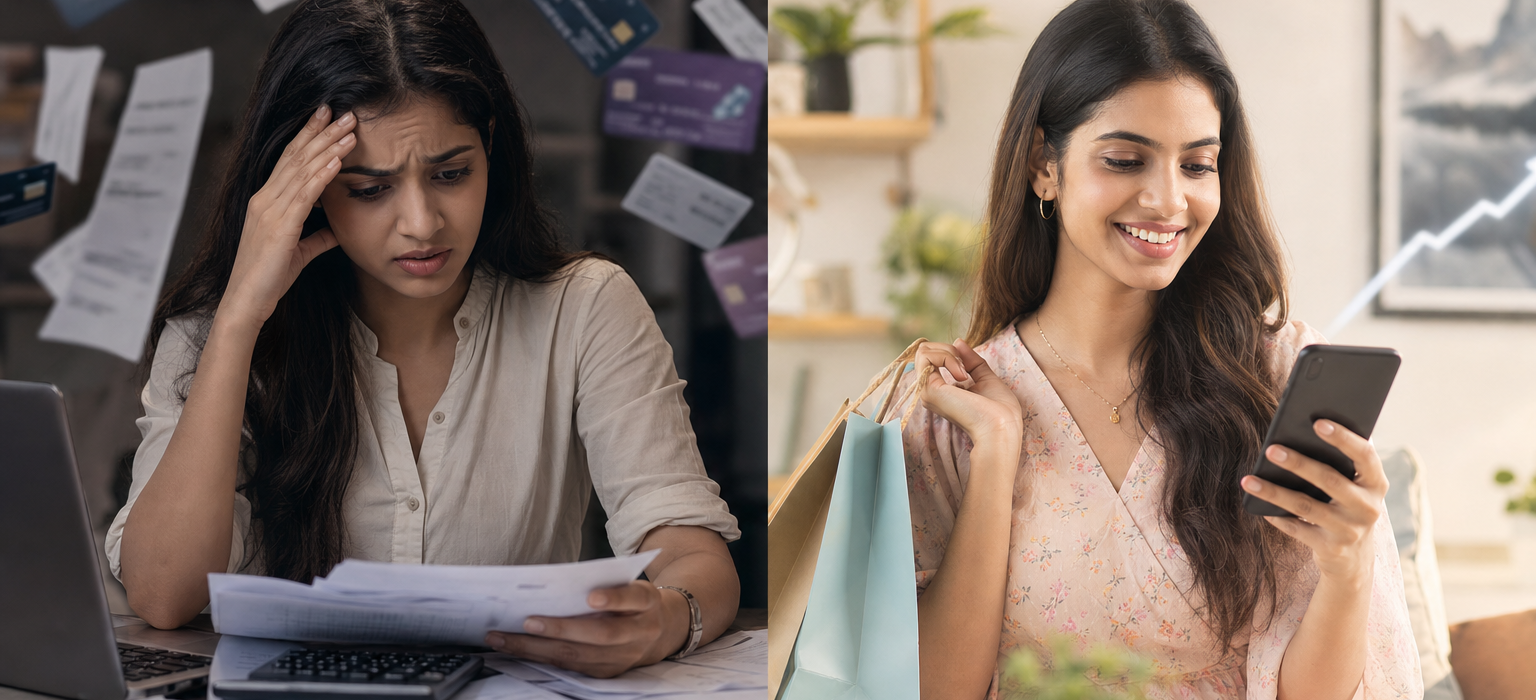
The allure of instant gratification is a powerful force. Imagine walking out of a store in bustling Connaught Place, Delhi, with that shiny new smartphone or designer kurta, not by emptying your wallet, but by simply saying “yes” to a few questions. This is the promise of Buy Now, Pay Later (BNPL) services. It’s rapidly becoming a familiar story across India. From the metros to Tier-2 cities, the trend is sweeping the nation. But as this trend sweeps the nation, we need to ask: is this a clever financial tool empowering consumers, or a slippery slope towards overwhelming debt?
Key Takeaways:
- BNPL services offer instant access to goods and services, breaking down large purchases into smaller, manageable installments.
- For many young Indians, particularly those new to credit, BNPL acts as an entry point into formal credit systems.
- The ease of access and often minimal eligibility criteria can mask significant risks, including overspending and accumulating high-interest debt.
- Understanding the terms and conditions, especially late fees and interest rates, is crucial for responsible BNPL usage.
- BNPL providers are increasingly integrating with digital payment platforms and e-commerce sites, making them ubiquitous.
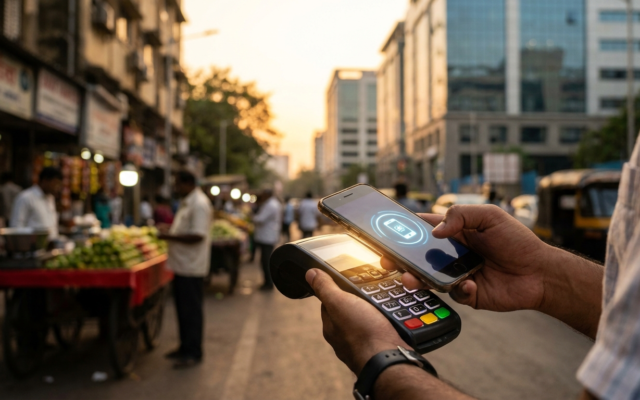
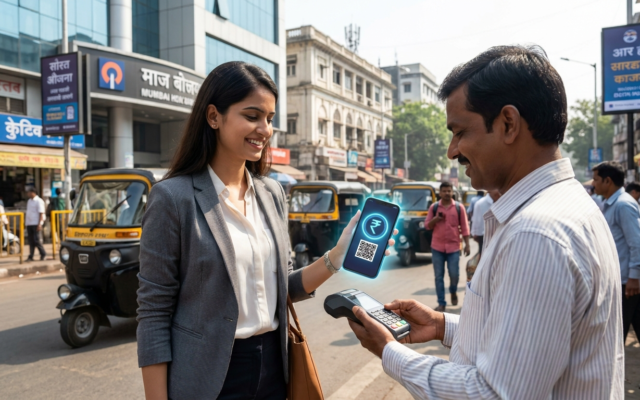
India’s digital transformation has been phenomenal. UPI payments revolutionized daily transactions. E-commerce giants reshaped how we shop. Convenience is king. BNPL services hitched a ride on this wave. They seamlessly integrated into online checkout pages. They even appear at physical store payment terminals.
It’s no longer just about buying a ₹50,000 television in 12 easy EMIs. Now, you can pick up groceries worth ₹2,000 from your local Reliance Smart supermarket. Pay for them over three months. Interest-free, provided you pay on time. This accessibility is a game-changer. Millions might not qualify for traditional credit cards or personal loans. BNPL offers them a taste of financial flexibility. It’s this democratization of credit that fuels its explosive growth. It makes credit available to a wider demographic.
The story of Rohan, a 24-year-old software engineer in Bengaluru, perfectly encapsulates this shift. He remembers struggling to buy his first decent laptop a few years ago. “I didn’t have a credit card, and my parents weren’t keen on giving me a loan for it,” he shares. “I ended up buying a much cheaper model, which honestly slowed me down for the first year of my job.”
Then, BNPL entered his life. “When I needed a new phone last Diwali, I saw the ‘Pay in 3 installments’ option on Amazon. It was so simple. Just a few clicks, an OTP, and boom. The phone was mine, and I paid it off over three months without any extra charges. It felt empowering.” Rohan’s experience isn’t unique. It’s a blueprint for how BNPL is redefining purchase power. It’s for a generation that grew up in a digital-first world. It’s about bridging the gap between desire and affordability. Making aspirations tangible.
The Rise of the Instant Credit Generation
The sheer volume of transactions processed through BNPL platforms in India paints a compelling picture. Data from various market research firms suggests the Indian BNPL market was valued at over $2 billion in 2021. It’s projected to grow at a CAGR of over 40% in the coming years. This isn’t just a niche trend. It’s mainstream financial behaviour.
Think about it. A young professional in Mumbai, earning a decent salary but still managing expenses. They can now finance that weekend getaway to Goa. Or that new gaming console. All without draining their savings. BNPL providers like Simpl, LazyPay, PostPe, and Flipkart Pay Later have become household names. They are embedded directly into the checkout flows of major e-commerce sites. Amazon, Flipkart, and Myntra use them. So do many smaller online retailers.
This accessibility is particularly appealing to millennials and Gen Z. They often have limited credit histories. They prefer digital-first solutions. They are comfortable with online transactions. They are less inclined towards traditional banking products. These products might seem cumbersome. For them, BNPL is a natural extension of their digital lifestyle. It’s a way to manage their finances. Without the perceived rigidity of credit cards.
A recent survey indicated that over 60% of BNPL users in India are under 30 years old. This demographic often faces a credit gap. They need to build a credit score to access larger loans. But they lack the initial credit history to do so. BNPL, when used responsibly, can be a stepping stone. It helps them establish a positive repayment record. It’s a fascinating paradox. A service designed for convenience is also becoming a crucial tool for financial inclusion. Albeit with its own set of caveats.
Consider the case of a small business owner in Jaipur, Mrs. Sharma. She needed to quickly replenish her inventory for the festive season. Traditional bank loans often involve lengthy application processes. They require collateral. She found these difficult to meet. Instead, she used a BNPL service. It was offered by a wholesale supplier. She procured goods worth ₹1 lakh. She could then pay this amount in four interest-free installments. Over two months. This ensured she didn’t miss out on the peak sales period. This allowed her business to thrive. Without the immediate strain on her cash flow. This isn’t just about consumer spending. It’s also about enabling small businesses. To access working capital more fluidly. A critical factor in India’s economic landscape. The speed and ease of these transactions are fundamentally changing commerce and personal finance.
The Allure of Instant Gratification and Zero Interest
The primary driver behind BNPL’s popularity is its perceived cost-effectiveness. Especially the promise of zero-interest payments. Unlike credit cards, which often charge high annual fees and interest rates on outstanding balances. Many BNPL plans offer interest-free periods. For a specified duration, typically 15 to 90 days.
This is a significant draw for consumers. They want to spread the cost of a purchase. Without incurring additional interest charges. For example, buying a ₹15,000 smartphone. And paying it off in three equal monthly installments of ₹5,000. This is far more palatable than a single upfront payment. Especially when there’s no interest involved. This ‘interest-free’ component is a masterstroke in marketing. It directly appeals to the Indian consumer’s inherent frugality.
However, this zero-interest promise often comes with strings attached. The crucial caveat is timely repayment. If a consumer misses a payment or defaults. The interest rates and late fees can be substantial. Often far exceeding those on conventional credit cards. Many BNPL providers charge a fixed late fee per missed installment. This can quickly snowball. For a small outstanding amount, these fees can become disproportionately high. Imagine missing a ₹1,000 installment. And being charged a ₹500 late fee. This can transform a seemingly cost-free purchase into an expensive one. This is where the user needs to be exceptionally vigilant. Treat BNPL installments with the same seriousness as any other loan repayment. The ease of signing up can, unfortunately, mask the punitive nature of late payments.
A surprising fact is that the underlying cost for BNPL providers often comes from merchant fees. Merchants pay a percentage of the transaction value to BNPL companies. They offer this service because it typically leads to higher conversion rates and larger average order values. This is why merchants are willing to absorb some of the costs. Consumers, therefore, are often receiving a service that is effectively subsidised by the retailer. This model, while beneficial for the consumer on the surface, relies heavily on high transaction volumes and prompt repayment. It must remain profitable for the BNPL companies. It’s a delicate ecosystem. The consumer’s discipline is paramount. To maintaining the ‘zero-interest’ illusion. The convenience is real. But the responsibility lies solely with the user to manage it effectively.
Navigating the Pitfalls: Debt Traps and Hidden Costs
While BNPL offers undeniable convenience, the ease with which one can accumulate multiple small debts is a significant concern. Many users, particularly younger ones, might sign up for several BNPL plans. Across different platforms for various purchases. The problem arises when these individual small amounts begin to add up. The user loses track of multiple repayment dates and outstanding balances. This fragmented approach to credit can quickly lead to a situation. Managing these multiple obligations becomes overwhelming. It’s like juggling too many balls. Eventually, one is bound to drop. This is the breeding ground for a debt trap.
Consider Priya, a graphic designer in Chennai. She initially found BNPL useful for small, occasional purchases. “I used it for a dress here, some home decor there. It was easy,” she explains. “But then I started using it for almost everything – my grocery bill, my phone recharge, even for paying my rent through certain apps. I had maybe four or five active plans. Suddenly, I had multiple bills due in a week. I realised I had overcommitted. I missed one payment, and the late fees were hefty. Then I missed another. It spiralled quickly.” Priya’s experience highlights a common pitfall. The normalization of credit for everyday expenses. This leads to a loss of control over spending. And a build-up of unmanageable debt. The psychological barrier to spending is lowered significantly when immediate cash outflow is avoided.
Furthermore, the credit risk assessment by some BNPL providers might be less stringent than traditional lenders. This can lead to approvals for individuals who might struggle with repayment. This, in turn, increases their risk of falling into debt. While this expands access to credit, it also places a greater onus on the consumer. They must be financially responsible. The lack of a consolidated view of one’s BNPL liabilities across different providers can be a major blind spot. Unlike a credit card statement that summarises all dues. BNPL accounts are often scattered across various apps and websites. This makes it difficult to get a holistic picture of one’s total outstanding debt. This fragmented landscape makes it easier to lose track. And fall into a debt trap. It’s a stark reminder. The absence of immediate financial pain can lead to delayed, but often more severe, financial distress.
Building a Healthy BNPL Habit: Responsible Usage Tips
The key to leveraging BNPL services without succumbing to debt lies in adopting a disciplined and informed approach. It’s not about avoiding BNPL altogether. It’s about using it as a tool, not a crutch. The first and most crucial step is to treat BNPL payments with the same seriousness as any other financial commitment. Set reminders a few days before the due date. Ensure sufficient funds are available in your account.
Many BNPL providers offer auto-debit options. This can be a lifesaver. Provided you maintain an adequate balance. However, ensure you understand how auto-debit functions. Monitor your bank account to avoid accidental overdrafts.
Secondly, be acutely aware of the total amount you owe across all BNPL services. Many apps allow you to view your outstanding balance. But it’s wise to maintain your own simple spreadsheet or note in your phone. Track all your BNPL obligations and their respective due dates. Before making a new BNPL purchase, ask yourself: “Can I afford to pay this off within the interest-free period?” If the answer is no, it’s a clear sign to reconsider the purchase. Or explore alternative payment methods.
A surprising statistic often cited by financial advisors is that consumers tend to overestimate their ability to repay when immediate payment is deferred. Be honest with yourself about your cash flow.
Moreover, always read the fine print. Understand the late fees, interest rates on overdue amounts, and any hidden charges. While many plans are interest-free for the initial period, the penalties for default can be severe. Compare the terms and conditions of different BNPL providers before choosing one. For instance, some providers might offer longer interest-free periods. Others might have lower late fees. It’s about finding the option that best suits your repayment capacity and spending habits. For instance, if you know you’re likely to be a bit forgetful, a provider with a lower late fee might be a better choice. Even if their initial promotional offers are less attractive. Think of it as choosing the right tool for the job. The wrong one can cause more harm than good.
Finally, view BNPL as a way to manage cash flow for planned expenses. Not as an invitation to impulse buying. If you need a new appliance and can save up for it over two months. Using BNPL to spread the cost over those two months might be beneficial. However, using it for non-essential, spur-of-the-moment purchases significantly increases the risk of overspending. A useful mental check is to ask yourself if you would still buy the item if you had to pay for it upfront. If the answer is no, then BNPL is likely encouraging you to spend beyond your means. This conscious effort to differentiate between needs and wants. Planned expenses and impulse buys, is fundamental to maintaining financial health.
The Future of BNPL in India: Regulation and Evolution
As the BNPL sector in India continues its meteoric rise, regulatory bodies like the Reserve Bank of India (RBI) are paying close attention. The potential for widespread consumer indebtedness and the lack of uniform regulatory oversight have prompted discussions. About bringing BNPL under a more formal regulatory framework. While the RBI has already issued guidelines for digital lending, which indirectly impact some BNPL operations. There’s a growing consensus that specific regulations for BNPL might be necessary to protect consumers. These regulations could include mandates for clearer disclosure of terms and conditions. Standardized late fee structures. And more robust credit assessment processes.
The evolution of BNPL is also tied to technological advancements. We are already seeing integration with UPI. This allows for seamless BNPL payments directly from UPI apps. This further blurs the lines between traditional payment methods and credit facilities. Making BNPL even more accessible. Furthermore, as BNPL providers gather more data on consumer spending habits. They can potentially offer more personalized financial products. Such as micro-insurance or tailored savings plans, alongside their credit offerings. This could transform BNPL from a simple payment deferral tool into a more comprehensive financial wellness platform. However, this also raises concerns about data privacy and the ethical use of consumer information.
A surprising counter-trend is the increasing focus on ‘credit building’ BNPL products. Some companies are exploring models. Where consistent and timely repayment of BNPL loans are reported to credit bureaus. This helps users build their credit scores. This could significantly boost financial inclusion. Allowing individuals to access traditional loans like home mortgages or car loans more easily in the future. This shift from a purely transactional service to one that actively contributes to a user’s financial identity is a significant development. For instance, if a user consistently pays off their ₹3,000 BNPL EMI on time for six months. This positive behaviour could be recorded. Making them a more attractive borrower for banks later. This forward-thinking approach could be a game-changer for millions of Indians. They are looking to build a strong financial foundation. The future of BNPL in India is thus a dynamic landscape. Shaped by innovation, consumer behaviour, and regulatory evolution. Promising both enhanced convenience and potential challenges.
#