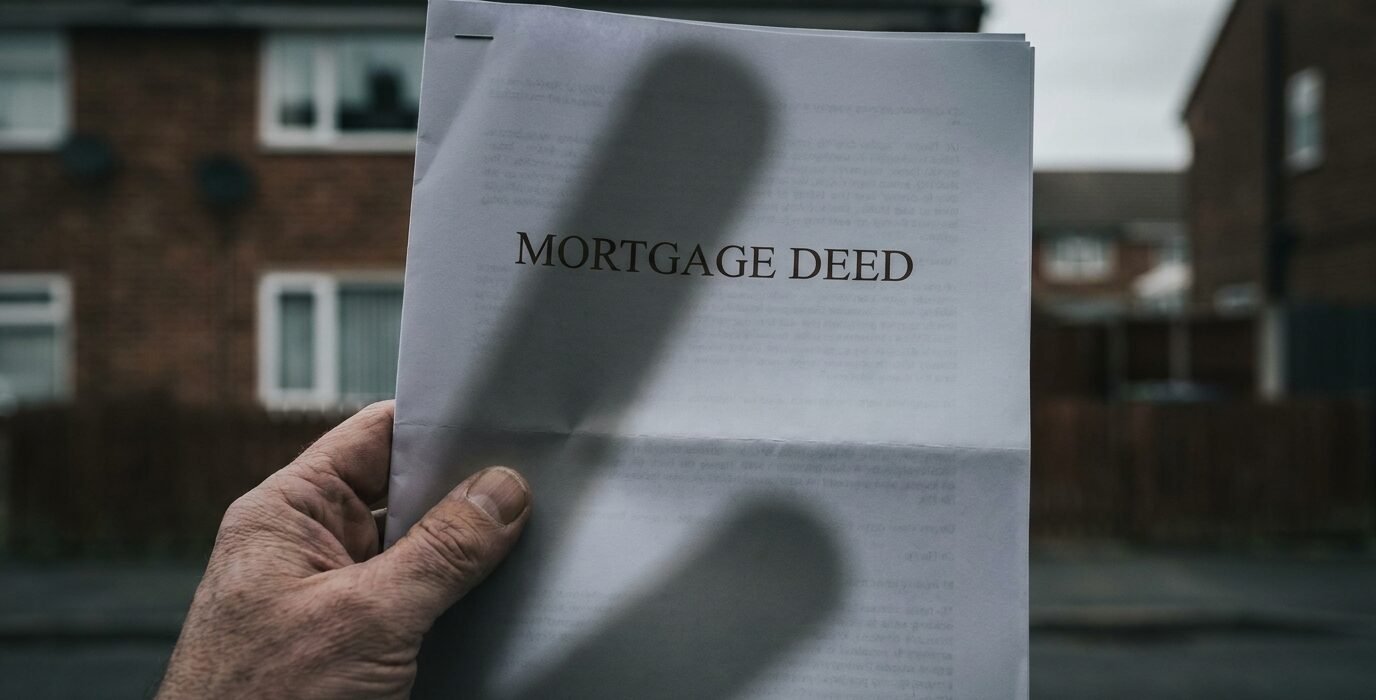
The air in countless UK living rooms was thick with a familiar tension. Another Thursday, another Bank of England Monetary Policy Committee announcement. For millions, this wasn’t just financial news. It was the sound of their monthly budget shifting. It was the quiet hum of anxiety about their biggest financial commitment – their mortgage. This latest decision has sent ripples, and for many, waves, through the nation’s housing market. It’s forcing a reassessment of what “homeownership” truly means in today’s volatile economic climate.
Key Takeaways:
- Understand the Bank of England’s latest interest rate decision and the reasoning behind it.
- Discover the immediate impact of rate changes on different types of UK mortgages.
- Learn practical strategies for managing increased mortgage payments and exploring remortgaging options.
- Gain insights into the long-term implications for the UK property market and your financial planning.
- Find out how to navigate the current economic landscape to protect your financial well-being.
The Crossroads of Inflation and Interest Rates
The familiar red brick terraced houses of Manchester, much like those in Birmingham and Bristol, all share a common vulnerability when the Bank of England speaks. Governor Andrew Bailey, a figure whose pronouncements carry immense weight, stood before the press. The weight of economic stewardship was etched on his face. The MPC had just delivered its verdict: the Bank Rate would remain unchanged. This was a decision met with a collective sigh of relief by some. Others, however, grimaced under continued pressure. It wasn’t a cut, nor was it another hike. It was a holding pattern. It felt like a prolonged pause before an uncertain future.
The rationale, as always, was a delicate dance. It was between controlling inflation and supporting economic growth. Inflation, that insidious thief of purchasing power, had shown signs of easing. This was a small victory in a long battle. Yet, it remained stubbornly above the Bank’s 2% target. The minutes from the MPC meeting highlighted concerns. They pointed to persistent wage growth and the lingering effects of global energy prices. This painted a picture of an economy still walking a tightrope. This decision, therefore, was an act of caution. It was an attempt to avoid both prematurely stimulating demand and exacerbating inflationary pressures. For homeowners on variable rate mortgages or those nearing the end of their fixed-term deals, this meant the existing pain wasn’t going away anytime soon. The average two-year fixed-rate mortgage had crept up significantly over the past year. This decision offered no immediate respite from those elevated costs. The psychological impact alone was immense. Knowing that borrowing costs were unlikely to fall sharply in the immediate future cast a long shadow over household budgets across the nation.
The Immediate Mortgage Ripple Effect
Imagine Sarah, a primary school teacher from Leeds, staring at her latest mortgage statement. Her two-year fixed-rate deal had ended just months before this latest Bank of England announcement. She’d managed to secure a new rate. But it was significantly higher than her previous one. The difference was a substantial chunk of her monthly income. Now, with the Bank Rate held steady, she knew that even if she wanted to remortgage again soon, any potential savings would be marginal, if they appeared at all. This is the reality for millions of UK homeowners. The immediate effect of the Bank of England’s decision, or lack thereof, isn’t always a dramatic overnight shift for everyone. It’s rather a sustained period of higher borrowing costs for those whose deals are coming up for renewal or who are on standard variable rates (SVRs).
For those on SVRs, any fluctuation in the Bank Rate directly impacts their monthly payments. If the Bank Rate increases, their SVR typically follows suit. This leads to an immediate increase in what they owe. Conversely, if the rate stays the same, their payments remain elevated at the higher level they’ve become accustomed to. The real crunch, however, comes for those with fixed-rate mortgages. When a fixed deal expires, homeowners are rolled onto their lender’s SVR. This is almost always higher than their previous rate. Then, they must seek a new deal. The current environment means that new fixed rates, while perhaps not actively rising, are staying stubbornly high. This reflects the market’s expectation of interest rates remaining elevated for longer. This creates a difficult choice. Accept a higher monthly payment on a new fixed deal or risk being on an SVR, which could fluctuate upwards. The conversation in many households in areas like Sheffield and Newcastle has shifted. It’s moved from “when will rates come down?” to “how can I possibly afford this new rate when it’s time to remortgage?”
Navigating the Remortgaging Maze
The term “remortgaging” once conjured images of securing a better deal and saving money. Today, for many in areas like Cardiff and Swansea, it feels more like a strategic manoeuvre. It’s about mitigating inevitable financial pain. With the Bank of England’s interest rate decision keeping borrowing costs high, the landscape of remortgaging has become significantly more complex. It’s no longer about simply finding the lowest rate. It’s about understanding the long-term implications of different product types and lenders’ offerings. For homeowners whose fixed-rate deals are maturing in the next six to twelve months, the clock is ticking. Proactive planning is paramount.
Many lenders are now offering “early repayment options.” These allow homeowners to lock in a new rate up to six months before their current deal ends. This can be a crucial strategy. It’s particularly useful if you anticipate rates continuing to hold steady or even inching up. However, it requires careful consideration. You need to assess your personal circumstances. Is your income stable? Do you anticipate needing to move or sell your property before the new deal ends? Early repayment charges can be substantial. They can potentially negate any savings you hoped to make. It’s also vital to compare not just the headline interest rate but also the fees associated with a mortgage. Consider arrangement fees and valuation fees. A slightly higher interest rate with no fees might be more cost-effective than a lower rate with significant upfront charges, especially over a shorter term. Speaking with a qualified independent mortgage advisor, perhaps one based in a town like Southampton or Plymouth, can be invaluable. They can offer unbiased advice tailored to your specific situation. They can help you to decipher the jargon and understand the true cost of different mortgage products. They can also advise on the pros and cons of different types of mortgages, such as fixed-rate, variable-rate, and tracker mortgages, in the current economic climate. The goal is to secure the most sustainable deal for your financial future. It’s not just about the cheapest one on paper today.
The Counter-Intuitive Truth About Fixed Rates
Here’s a surprising thought for many UK homeowners: while interest rates are high, securing a fixed-rate mortgage right now might actually be a smarter move than waiting for rates to fall. It sounds counter-intuitive, doesn’t it? We’re conditioned to believe that when rates are high, you wait for them to drop before locking in. However, the current economic forecasting from many financial institutions suggests that while rates might not rise further in the immediate term, they are unlikely to plummet significantly in the next year or two. The Bank of England’s decision to hold steady, rather than cut, underscores this sentiment.
This means that the rates available today, while higher than the historic lows seen in recent years, might represent the “new normal” for a considerable period. If you’re on a variable rate or your fixed deal is ending, accepting a fixed rate now, even at a higher percentage, offers certainty. You know exactly what your monthly payment will be for the next two, three, or five years. This predictability is invaluable for budgeting and financial planning. This is especially true when other costs, like energy bills and food prices, are also fluctuating. Furthermore, if rates do eventually fall more significantly, you might have the option to remortgage again onto a lower fixed rate or switch to a variable product. This could be with lower early repayment charges than if you had waited and locked in a rate today that was even higher. Think of it as buying insurance against further rate rises or prolonged high rates. The peace of mind that comes from knowing your largest outgoing is fixed can be worth more than the marginal saving you might make by waiting and guessing the market’s future direction. This strategy has become increasingly popular in towns like Aberdeen and Dundee, where homeowners are prioritising stability.
Expert Perspectives: What Lies Ahead for UK Property?
The current interest rate environment, dictated by the Bank of England’s cautious stance, is undeniably reshaping the UK property market. We spoke with Dr. Eleanor Vance, a senior economist at a leading London-based think tank, who offered a stark but insightful perspective. “The era of ultra-low mortgage rates is likely behind us for the foreseeable future,” she stated plainly. “The Bank is balancing the need to curb inflation with the risk of tipping the economy into recession. This ‘higher for longer’ interest rate scenario means affordability is now the primary constraint on the housing market.”
Dr. Vance explained that while house price growth has slowed considerably, and in some regions has even seen modest declines, a significant crash isn’t necessarily on the cards. This is partly due to a persistent shortage of housing supply across the UK. This shortage exists from the commuter belt towns surrounding the capital to the historic cities of York and Chester. However, the days of rapid, double-digit house price appreciation fuelled by cheap debt are over. For prospective buyers, this means adjusting expectations. The dream of a rapid capital gain might be replaced by a more measured approach. The focus will be on long-term value and the suitability of a property as a home rather than just an investment vehicle. For existing homeowners, the focus shifts from equity growth to managing the cost of ownership. The increase in mortgage payments, even if fixed, will impact disposable income. This could lead to reduced spending on other goods and services. It also means a more cautious approach to taking on further debt. The market is, in essence, undergoing a period of recalibration. It’s moving towards a more sustainable, albeit more expensive, model of homeownership.
The Human Cost of Economic Decisions
Beyond the spreadsheets and economic forecasts, there’s a profound human dimension to the Bank of England’s interest rate decisions. For families in communities like Southend-on-Sea and Hull, the steady hum of the boiler and the reassuring presence of a roof over their heads are now accompanied by a persistent undercurrent of financial worry. The decision to hold rates steady, while perhaps economically prudent, means that the pressure on household budgets remains. It’s about the difficult conversations couples have after their children are asleep. They weigh up whether to cut back on extracurricular activities or postpone a much-needed car repair.
It’s about young professionals, who diligently saved for a deposit. They now find their dream homes in areas like Brighton or Cambridge priced out of reach. This isn’t due to the asking price, but by the sheer cost of the mortgage that would fund it. It’s about retirees on fixed incomes, who may have planned for their later years based on a certain level of mortgage-free living or manageable loan costs. They are now facing unexpected increases if they have a variable rate. The psychological toll is significant. The sense of financial insecurity can impact mental well-being. It can create stress and anxiety that permeates everyday life. This isn’t just about numbers on a screen. It’s about people’s homes, their families’ futures, and their overall quality of life. The Bank of England’s actions, though intended to stabilize the broader economy, have very real and immediate consequences. They affect the financial health and emotional well-being of millions of individuals and families across the United Kingdom. The resilience of the British spirit is being tested. It’s not by dramatic crises, but by the persistent, everyday challenge of making ends meet in a high-cost environment.