Key Takeaways
- India’s electric scooter market is projected to surge, with sales expected to double by 2026, driven by government incentives and rising fuel prices.
- New battery technology, including solid-state batteries, is poised to dramatically improve range and reduce charging times, making EVs more practical for daily commutes.
- Beyond urban centres, rural adoption is accelerating, fuelled by demand for affordable and low-maintenance personal transport, especially in states like Uttar Pradesh and Rajasthan.
- The charging infrastructure landscape is evolving, with a mix of home charging, public fast-charging stations, and innovative battery-swapping solutions becoming more prevalent.
The Electric Surge: India’s Scooter Revolution Accelerates in 2026
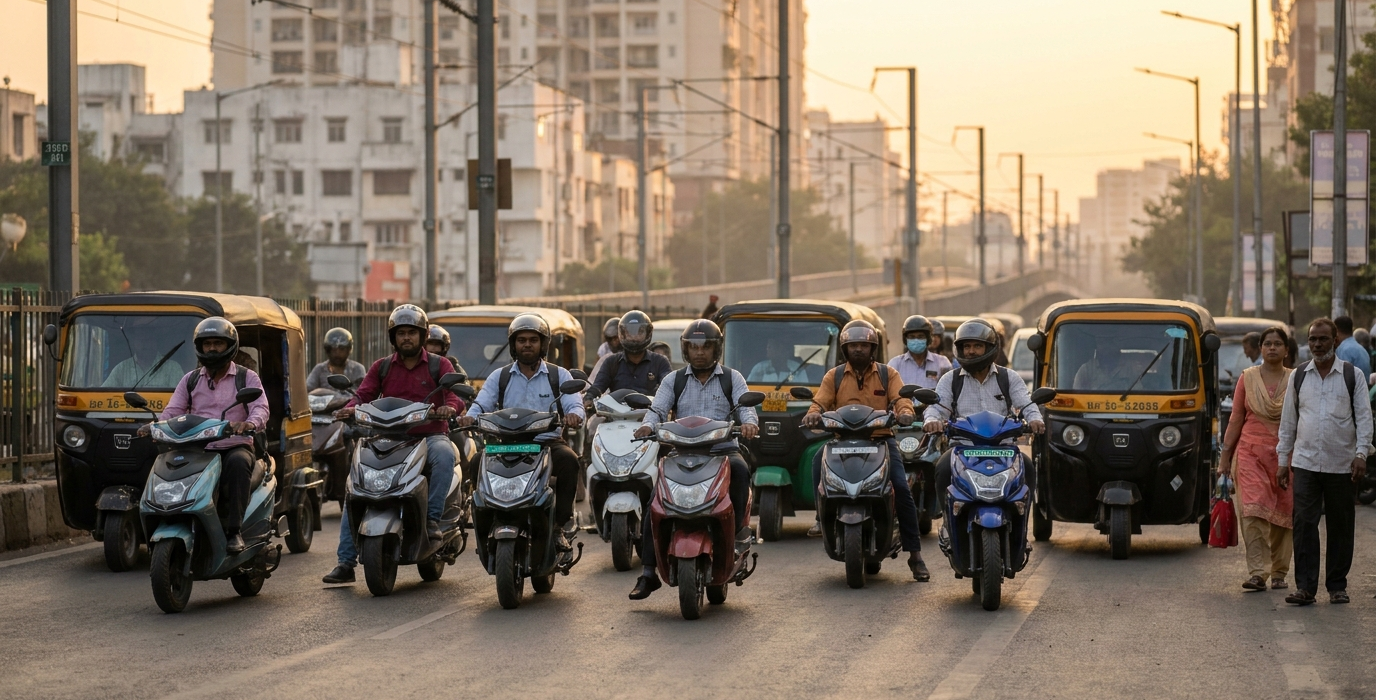
Prepare yourself for a seismic shift in India’s personal mobility landscape. The electric scooter revolution, long whispered about, is now roaring into full bloom in 2026. We’re not talking about incremental changes; we’re witnessing an explosion. Projections indicate that the Indian electric two-wheeler market, with scooters leading the charge, will see its sales volume effectively double this year compared to 2025. This isn’t just a trend; it’s a fundamental reshaping of how millions of Indians navigate their daily lives, from the bustling streets of Mumbai to the serene lanes of Jaipur.
Several powerful forces are converging to fuel this unprecedented growth. Firstly, the persistent rise in petrol and diesel prices continues to make traditional internal combustion engine (ICE) vehicles a less attractive proposition for the cost-conscious Indian consumer. Secondly, and perhaps more critically, a sustained and robust government push through policies like the Faster Adoption and Manufacturing of (Hybrid &) Electric Vehicles (FAME) scheme, coupled with state-level subsidies and tax benefits, has made electric scooters significantly more affordable and appealing. This dual economic pressure and policy support is creating a fertile ground for EV adoption like never before.
The impact is already palpable. Dealerships across the country are reporting unprecedented demand, with waiting periods for popular models stretching into weeks, sometimes even months. Manufacturers are scrambling to ramp up production, and new players are constantly entering the fray, eager to capture a piece of this rapidly expanding pie. We are at the cusp of a truly transformative period, where the hum of electric motors will soon become the dominant soundtrack of Indian streets.
Technological Leaps: Battery Innovations Driving the Future
At the heart of this electric scooter boom lies a quiet revolution in battery technology. While lithium-ion batteries have been the workhorse, enabling the current wave of EVs, the real game-changers are on the horizon and already making inroads in 2026. We’re seeing significant advancements in energy density, charging speeds, and, crucially, safety and lifespan. The anxiety around range, a major deterrent for many potential buyers, is rapidly diminishing.
One of the most exciting developments is the increasing commercial viability of solid-state batteries. These batteries replace the liquid electrolyte found in current lithium-ion cells with a solid material. This offers a trifecta of benefits: significantly higher energy density (meaning more range from the same size battery), faster charging capabilities (imagine a full charge in under 30 minutes for many models), and enhanced safety due to their non-flammable nature. While still premium, early adopters are already experiencing the advantages of these next-generation power sources in select high-end scooters, paving the way for wider adoption by 2027.
Furthermore, improvements in lithium-ion battery management systems (BMS) are making existing technologies more robust and efficient. These advanced BMS units optimize charging and discharging cycles, prolonging battery life and ensuring consistent performance even in India’s challenging climatic conditions. We’re also seeing a greater emphasis on swappable battery technology. Companies are investing heavily in establishing networks of battery-swapping stations, particularly in high-traffic urban areas and commercial fleets. This offers a compelling alternative to traditional charging, allowing riders to exchange a depleted battery for a fully charged one in mere minutes, akin to refuelling a petrol scooter.
Beyond the Metros: Rural India Embraces Electric Mobility
The narrative around electric scooter adoption often focuses on India’s bustling metropolises like Delhi, Bengaluru, and Chennai. However, a significant and perhaps more impactful story unfolding in 2026 is the burgeoning demand in rural and semi-urban areas. For millions in these regions, a personal vehicle is not a luxury but a necessity for livelihoods, connecting to markets, and accessing essential services. Electric scooters are emerging as an ideal solution, offering a compelling blend of affordability, low running costs, and reduced maintenance.
States like Uttar Pradesh, Bihar, and Rajasthan are witnessing a particularly strong uptake. Here, the prohibitive cost of owning and running a petrol scooter, coupled with the increasing availability of financing options and local dealerships, is making EVs a practical choice. The lower maintenance requirements of electric scooters are also a major draw. With fewer moving parts than their ICE counterparts, they are less prone to breakdowns and require less frequent servicing, a significant advantage in areas where access to qualified mechanics can be limited. This accessibility democratises personal mobility.
We’re also seeing innovative business models tailored for these markets. Local entrepreneurs are setting up small-scale charging hubs and offering flexible rental or subscription plans. The ability to charge scooters overnight using existing domestic power infrastructure, even with its occasional challenges, makes them a viable option. This rural surge is not just about replacing petrol bikes; it’s about empowering communities with accessible, sustainable, and cost-effective transportation, fundamentally altering rural economies and lifestyles.
The Evolving Charging Ecosystem: Convenience is Key
The infrastructure for charging electric scooters is no longer an afterthought; it’s a critical component of the EV ecosystem in 2026, and it’s evolving rapidly to meet demand. While early adopters relied heavily on home charging, the burgeoning market necessitates a more diversified and accessible approach. This includes a significant expansion of public charging networks and the innovative rise of battery-swapping solutions.
Home charging remains the most convenient option for many, with the majority of electric scooters coming equipped with portable chargers that can be plugged into standard wall sockets. However, as more households embrace EVs, concerns about grid load and the time taken for a full charge are prompting greater interest in public charging stations. We’re seeing a proliferation of these stations in residential complexes, commercial hubs, and along major arterial roads. Many of these are fast chargers, capable of providing a substantial charge in 30-60 minutes, making them practical for a quick top-up.
The real game-changer for many users, especially those in ride-sharing or delivery services, is battery swapping. Companies are investing heavily in establishing vast networks of battery-swapping kiosks, particularly in urban centres. For a small fee, users can simply exchange their depleted battery for a fully charged one in under two minutes. This virtually eliminates range anxiety and downtime, making electric scooters a truly practical alternative for commercial operations. For instance, in cities like Pune, several logistics companies are piloting battery-swapping models to ensure their delivery fleets remain operational throughout the day. This is transforming the economics of last-mile delivery.
Navigating the Options: Scooters, Subsidies, and Smart Choices
With the electric scooter market exploding, choosing the right model can feel overwhelming. Fortunately, the landscape in 2026 offers a diverse range of options, from budget-friendly commuter models to feature-rich high-performance machines. Crucially, understanding the available government incentives and subsidies can significantly impact your final purchase price, making EVs more accessible than ever before.
The FAME II scheme, and various state-specific initiatives, continue to play a pivotal role. These subsidies are typically applied directly by the dealership, reducing the upfront cost of the electric scooter. For example, a scooter priced at ₹1 lakh might effectively cost you around ₹80,000-₹85,000 after central and state subsidies, depending on your location and the scooter’s specifications (like battery capacity). It’s essential to verify the exact subsidy amounts applicable in your state at the time of purchase, as these can be revised periodically. Many manufacturers and dealerships provide clear breakdowns of these benefits.
When comparing models, consider your daily commute distance, charging availability, and desired features. Battery capacity (measured in kWh) is the primary determinant of range. A typical city commute might require a scooter with 2 kWh to 3 kWh for adequate daily usage, while longer commutes or more performance-oriented riders might look for 4 kWh or more. Don’t forget to factor in after-sales service and warranty, especially for the battery, which is a significant investment. Look for brands with a strong service network and a comprehensive battery warranty (often 3-5 years).
| Feature | Budget Commuter (₹60k-₹90k post-subsidy) | Mid-Range Performer (₹90k-₹1.2 lakh post-subsidy) | Premium/Performance (₹1.2 lakh+ post-subsidy) |
|---|---|---|---|
| Typical Range (ARAI Certified) | 70-100 km | 100-140 km | 140-200+ km |
| Battery Capacity | 1.5-2.5 kWh | 2.5-4.0 kWh | 4.0-6.0+ kWh |
| Top Speed | 45-50 km/h | 60-75 km/h | 75-100+ km/h |
| Features | Basic digital display, Drum brakes, LED lights | Bluetooth connectivity, App integration, Disc brakes, Keyless entry | Advanced TFT displays, ABS, Geofencing, Regenerative braking |
| Ideal Use Case | Short city commutes, errands | Daily office commute, moderate travel | Longer commutes, enthusiastic riders, commercial use |
The Road Ahead: Challenges and Opportunities
While the growth trajectory for electric scooters in India is exceptionally bright, the path forward is not without its challenges. Addressing these will be crucial for sustained and equitable expansion. One of the primary hurdles remains the accessibility and reliability of charging infrastructure, particularly outside major urban centres. While progress is being made, ensuring consistent power supply and a widespread network of charging points, including at workplaces and public spaces, is vital for widespread adoption.
Another significant area of focus is battery disposal and recycling. As the number of EVs on the road increases, so does the volume of end-of-life batteries. Developing efficient and environmentally sound recycling processes is paramount to avoid creating a new environmental crisis. Manufacturers and the government need to collaborate closely on establishing robust battery recycling frameworks. A surprising fact is that some newer battery chemistries being explored can recover up to 95% of valuable materials, significantly reducing reliance on virgin mining.
However, the opportunities far outweigh the challenges. The transition to electric mobility presents a massive economic opportunity, fostering indigenous manufacturing, creating new jobs in R&D, production, sales, and service, and reducing India’s dependence on imported fossil fuels. The potential for innovation in battery technology, smart charging solutions, and integrated mobility platforms is immense. Furthermore, the environmental benefits are undeniable. Reduced tailpipe emissions will contribute to cleaner air in our cities, leading to significant public health improvements. The shift to electric scooters isn’t just about transportation; it’s about building a more sustainable and healthier future for India.
“The electric scooter revolution in India is no longer a future prediction; it’s the vibrant reality of 2026. With enhanced battery tech, favourable policies, and growing consumer appetite, we are witnessing a fundamental shift towards cleaner, more affordable personal mobility that will reshape our cities and empower millions.”
Frequently Asked Questions
What is the average cost of an electric scooter in India in 2026?
The cost varies significantly based on brand, features, and battery capacity. However, after factoring in government subsidies, you can expect to find capable commuter electric scooters ranging from approximately ₹60,000 to ₹90,000. More feature-rich or long-range models can extend up to ₹1.5 lakh or more.
How far can a typical electric scooter travel on a single charge in 2026?
In 2026, most new electric scooters offer an ARAI-certified range between 70 km and 140 km on a single charge. Real-world range can vary based on riding style, terrain, load, and the use of accessories like air conditioning (where applicable in some advanced models). Many users find this range more than sufficient for daily commutes.
Is charging infrastructure readily available for electric scooters in Indian cities?
Availability is rapidly improving, especially in Tier 1 and Tier 2 cities. You’ll find charging points in residential societies, office complexes, public parking areas, and dedicated charging stations. Battery swapping is also becoming a popular alternative for quick top-ups, particularly in commercially-used scooters.
What are the main advantages of owning an electric scooter over a petrol scooter in 2026?
Key advantages include significantly lower running costs (electricity is cheaper than petrol), reduced maintenance due to fewer moving parts, quieter operation, and zero tailpipe emissions, contributing to a cleaner environment. Government subsidies also make the initial purchase more affordable.
Are electric scooter batteries durable and what is their lifespan?
Modern electric scooter batteries, particularly lithium-ion types, are designed for durability and typically come with warranties of 3-5 years or a specific number of charge cycles. Many batteries can last for 8-10 years with proper care and usage. Advancements in battery management systems are further enhancing their lifespan and performance.