Key Takeaways
- India’s electric vehicle (EV) adoption is surging, but the charging infrastructure lags significantly, creating range anxiety for consumers.
- While government initiatives are boosting public charging, private sector and residential charging solutions are crucial for mass adoption.
- Developing smart charging technologies and grid integration is essential to manage the increased electricity demand.
- Standardisation of charging connectors and payment systems is a major hurdle that needs urgent attention.
The Electric Surge: India’s EV Ambitions Meet Charging Reality
India’s roads are buzzing with the quiet hum of electric vehicles. From sleek sedans in Bengaluru to nimble scooters navigating the lanes of Delhi, the EV revolution is undeniably underway. By August 2026, the numbers are staggering; millions of EVs are now on Indian roads, a testament to falling battery costs, growing environmental awareness, and proactive government policies like the Faster Adoption and Manufacturing of Electric Vehicles (FAME) scheme. However, beneath this electrifying progress lies a stark reality: the charging infrastructure is struggling to keep pace. This gap is no longer a minor inconvenience; it’s a significant roadblock threatening to stall the momentum of India’s clean mobility dream.
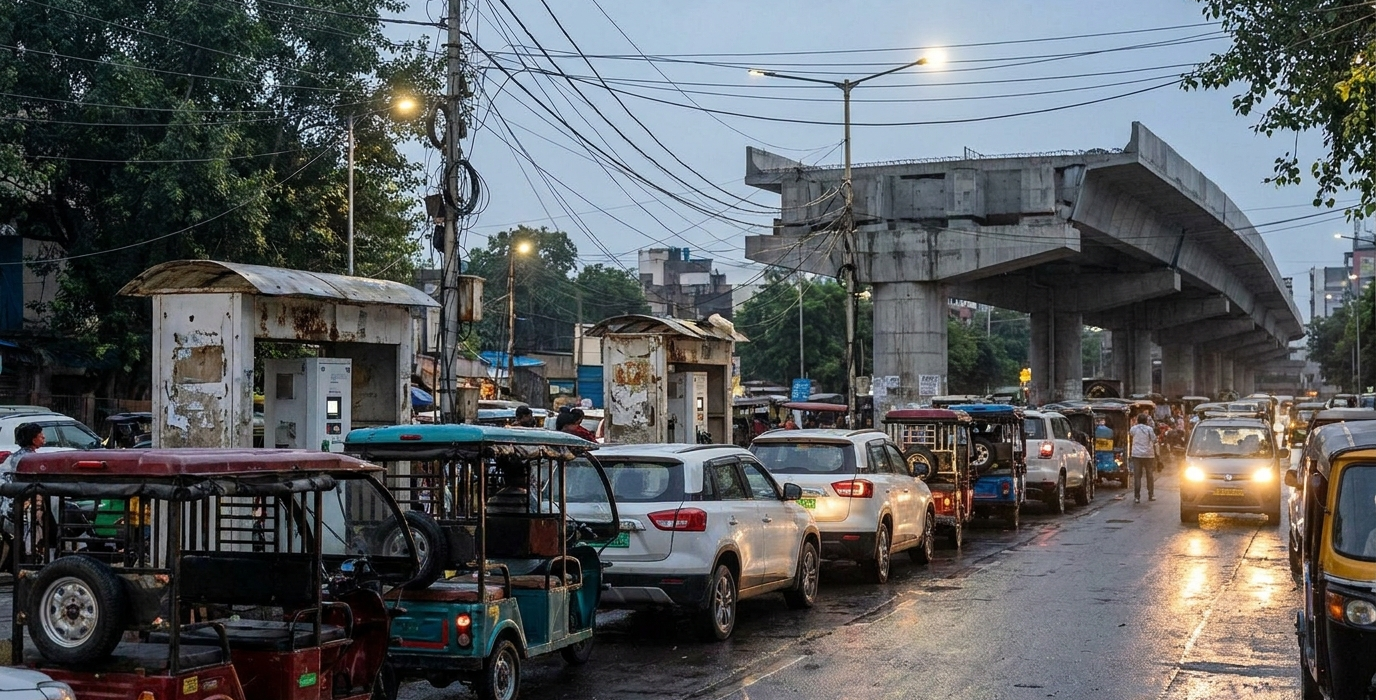
The ambition is clear: India aims to be a global leader in EV adoption. Yet, the availability of public charging stations, especially fast chargers, remains a critical bottleneck. While cities like Pune and Mumbai show promising growth in charging points, vast swathes of the country, particularly in Tier 2 and Tier 3 cities and rural areas, remain underserved. This scarcity directly translates into “range anxiety” for potential buyers, forcing them to carefully plan every journey and often reconsider their purchase. We are witnessing a scenario where the desire for greener transport is being tempered by the practical limitations of where and how to refuel.
“The EV market in India is at a critical juncture. While vehicle sales are soaring, the charging infrastructure is the invisible hand that can either propel this growth or firmly apply the brakes.”
Advertisement300×250 / native
The sheer scale of the country and the diverse user needs – from daily commuters to long-haul truckers – present a unique set of challenges. Unlike conventional fuel stations, which are ubiquitous, EV charging requires careful planning, grid capacity assessment, and often significant upfront investment. This article delves into the multifaceted challenges facing India’s EV charging infrastructure and explores the innovative solutions and policy interventions needed to ensure a truly electric future. We will examine the current landscape, the hurdles ahead, and the promising avenues that can power India’s electric journey.
The Public Charging Conundrum: Availability vs. Accessibility
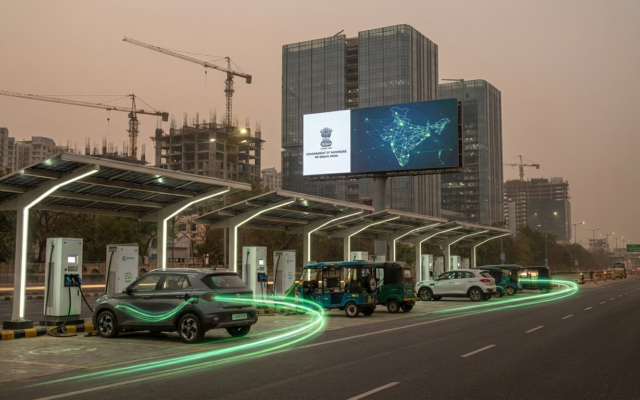
The government has made substantial efforts to expand the public charging network. Initiatives under FAME II have supported the installation of thousands of charging stations across highways and urban centres. However, the devil, as always, is in the details. The number of charging points, while growing, is still disproportionately small compared to the burgeoning EV fleet. Furthermore, the accessibility of these stations is a major concern. Many are located in designated areas, making them inconvenient for everyday use, especially for residents in apartment complexes.
We’ve heard countless stories from EV owners about the frustration of finding a functional charging station. Often, the listed stations are out of order, occupied for extended periods, or require specific app-based access that can be cumbersome. This inconsistency erodes user confidence and reinforces the perception that EVs are still not practical for the average Indian. The reliance on a few key operators also leads to monopolistic tendencies and potential price gouging, further deterring adoption.
The distribution is also highly uneven. While major metros like Delhi, Mumbai, and Bengaluru have a relatively denser network, cities like Patna or Bhopal are still playing catch-up. This disparity means that the EV dream is accessible to only a fraction of the population, primarily those living in more developed urban centres. For the true democratisation of electric mobility, charging infrastructure must reach every corner of India, from the bustling streets of Kolkata to the serene villages of Kerala.
Residential Charging: The Untapped Potential and Its Hurdles
For the vast majority of EV owners, home charging is the most convenient and cost-effective solution. Imagine waking up every morning to a fully charged vehicle, ready for your daily commute. This is the ideal scenario, but for many Indians, especially those living in multi-dwelling units, this isn’t a reality. The lack of dedicated parking spaces, the complexities of getting individual charging points approved by housing societies, and the potential strain on residential electrical grids present formidable challenges.
Many apartment dwellers face a constant battle with their Resident Welfare Associations (RWAs). The perceived fire hazards, the additional load on the building’s power supply, and the equitable distribution of charging costs are common points of contention. Even when individual charging points are permitted, the installation process can be complex and expensive, involving approvals from the electricity distribution company and the society management. This creates a significant barrier, particularly for middle-class families who form a large segment of potential EV buyers.
“We need to move beyond just public charging. The real game-changer for mass EV adoption in India will be seamless, affordable, and accessible residential charging solutions, especially for those in apartment complexes.”
This is where innovation is desperately needed. Smart charging solutions that can manage power load effectively, battery-swapping technologies for two-wheelers and three-wheelers, and simpler regulatory frameworks for society approvals are all critical. The government and private players must collaborate to create user-friendly and economically viable options for home charging. Without addressing this, the urban EV boom might remain confined to those with independent houses or dedicated parking.
The Critical Need for Standardisation and Interoperability
Picture this: you’re on a road trip in your electric car, and you pull up to a charging station, only to find that your connector type isn’t compatible. Or perhaps you’ve downloaded multiple apps for different charging networks, each with its own payment system and pricing structure. This is the current reality in India’s EV charging landscape, a fragmented ecosystem that breeds confusion and frustration. A lack of standardisation in charging connectors, protocols, and payment methods is a significant hurdle to seamless EV ownership.
Currently, there are several connector types in use, including Type 2, CCS, CHAdeMO, and Bharat EV. While the industry is moving towards Type 2 for AC charging and CCS for DC fast charging, the transition is not yet complete, leading to compatibility issues. This forces users to either carry multiple adapters or ensure their vehicle is compatible with the stations they intend to use, adding another layer of complexity to EV charging.
Beyond connectors, the payment systems are equally fragmented. Each charging network often has its proprietary app and payment gateway. This means users need to download and manage multiple applications, register with each, and manage different digital wallets. Imagine the inconvenience compared to the simple act of paying at a petrol pump. A unified payment interface, perhaps integrated with common digital payment platforms like UPI, is essential. This standardisation would not only simplify the user experience but also foster competition and innovation among charging network providers.
Grid Management and the Smart Charging Revolution
As India’s EV fleet grows, so does the demand on its electricity grid. A sudden surge in EV charging, particularly during peak hours, could strain the existing power infrastructure, leading to outages and instability. This is where the concept of “smart charging” becomes not just beneficial, but absolutely critical. Smart charging allows for the intelligent management of EV charging, optimising it based on grid conditions, electricity prices, and user preferences.
Instead of all EVs plugging in at 6 PM when everyone returns from work, smart charging systems can intelligently schedule charging for off-peak hours, when electricity is cheaper and the grid is less stressed. This can involve dynamic pricing models that incentivise charging during low-demand periods. Furthermore, smart charging can enable Vehicle-to-Grid (V2G) technology, where EVs can not only draw power from the grid but also feed it back during peak demand, acting as distributed energy storage. This is a revolutionary concept that could transform the grid’s stability and resilience.
The integration of renewable energy sources with EV charging is another crucial aspect. Imagine charging your EV with solar power generated on your rooftop or at a dedicated solar-powered charging station. This not only reduces the carbon footprint of the EV itself but also helps decentralise energy generation and reduce reliance on fossil fuel-based power plants. Investing in smart grid technologies and incentivising the adoption of V2G capabilities will be paramount to supporting a mass EV transition without overwhelming our power infrastructure.
Battery Swapping and Two/Three-Wheeler Charging
While four-wheelers often have the luxury of time for charging, the case for electric two-wheelers and three-wheelers – the backbone of Indian urban mobility – is different. For delivery personnel and daily commuters, the time taken to charge a battery can mean lost revenue or significant disruption. This is where battery swapping technology offers a compelling solution. Companies like Sun Mobility and Bounce are already making significant inroads with this model, particularly in cities like Delhi and Bengaluru.
The concept is simple: instead of waiting for a battery to charge, users can quickly swap their depleted battery for a fully charged one at designated swapping stations. This process takes mere minutes, akin to refuelling a petrol vehicle. This drastically reduces downtime and makes electric two and three-wheelers a much more practical and attractive option for commercial use and daily commuting.
However, battery swapping also faces its own set of challenges. The standardisation of battery packs and connectors is crucial for interoperability across different vehicle models and swapping stations. Furthermore, the logistics of managing a large fleet of charged batteries, ensuring their quality and safety, and establishing a robust network of swapping stations across the country requires significant investment and operational expertise. The regulatory framework for battery ownership, leasing, and swapping also needs to be clearly defined to foster growth and consumer confidence.
The Road Ahead: Policy, Innovation, and Consumer Confidence
The path to a fully electrified transportation sector in India is paved with challenges, but also brimming with opportunities. The government’s commitment, evident in policies like the production-linked incentive (PLI) schemes for advanced chemistry cell battery manufacturing and EV components, is a strong starting point. However, continuous policy evolution is necessary to address the evolving needs of the sector. This includes streamlining permits for charging infrastructure installation, offering tax incentives for home charging solutions, and standardising charging protocols.
Innovation will be the engine driving progress. We need more research and development into faster charging technologies, longer-lasting batteries, and more efficient grid integration solutions. Startups are playing a crucial role here, developing novel approaches to battery management, charging network management, and intelligent charging software. Collaboration between established automotive players, energy companies, technology providers, and government bodies is key to accelerating this innovation.
Ultimately, building consumer confidence is paramount. This means ensuring reliability and accessibility of charging, transparent pricing, and robust after-sales service. Addressing range anxiety through better infrastructure, promoting the convenience of home charging, and showcasing the economic and environmental benefits of EVs will be crucial. The journey is complex, but with concerted efforts from all stakeholders, India can indeed power its way to a sustainable and electric future.
Frequently Asked Questions
What is the biggest challenge for EV charging in India?
The most significant challenge is the inadequate and uneven distribution of charging infrastructure, leading to range anxiety for consumers. This is compounded by issues in residential charging and a lack of standardisation.
Are electric vehicles practical for long-distance travel in India?
Currently, long-distance travel can be challenging due to the limited availability of fast chargers on highways. While improving, it requires careful route planning and awareness of charging station locations.
What is being done to improve EV charging infrastructure?
The government is promoting charging station installations through schemes like FAME II, and private companies are investing heavily. However, more focus is needed on residential charging, smart grid integration, and standardisation to meet growing demand.
How can I charge my electric car at home if I live in an apartment?
Charging at home in an apartment can be complex, often requiring approval from your RWA and the electricity provider. Some newer buildings are incorporating charging infrastructure, but it remains a hurdle for many.
What are the different types of EV chargers available in India?
India uses various chargers, including Type 2 (AC), CCS (DC fast charging), CHAdeMO, and Bharat EV. While Type 2 and CCS are becoming more common, a lack of universal standardisation can cause compatibility issues.