Key Takeaways
- India’s renewable energy capacity is projected to hit a significant milestone by 2026, driven by solar and wind power.
- Policy support, including production-linked incentives and ambitious targets, is crucial for sustaining this growth.
- Grid infrastructure and storage solutions remain key challenges that need proactive investment and innovation.
- The rise of green hydrogen presents a new frontier, promising decarbonisation across hard-to-abate sectors.
The Accelerating Pace of India’s Green Transition
As we navigate 2026, India’s commitment to a sustainable future is no longer just a promise; it’s a tangible, accelerating reality. The nation’s renewable energy capacity is on an impressive trajectory, with projections indicating it will surpass 200 gigawatts (GW) by the end of this year. This surge is predominantly fuelled by the relentless expansion of solar and wind power, sectors that have seen dramatic cost reductions and technological advancements in recent years. We are witnessing a fundamental shift in our energy landscape, moving away from fossil fuels towards cleaner, more sustainable sources.
The sheer scale of this transformation is remarkable. Consider the ambition: India aims to achieve 500 GW of non-fossil fuel energy capacity by 2030. While 2026 marks a significant waypoint, it’s the sustained momentum that truly defines our progress. Investments are pouring in, not just from domestic giants like Reliance and Adani, but also from international players keen to tap into India’s vast green energy potential. This influx of capital, coupled with robust government policies, is creating a virtuous cycle of development and deployment.
This transition isn’t merely about meeting energy demands; it’s about energy security, economic growth, and environmental stewardship. By embracing renewables, India is reducing its reliance on imported fossil fuels, thereby strengthening its economic resilience. Simultaneously, it’s taking a leading role in the global fight against climate change, a responsibility that resonates deeply across our diverse population. The story of India’s green energy push in 2026 is one of ambition, innovation, and a collective drive towards a brighter, cleaner tomorrow.
Policy Pillars: Fueling the Renewable Revolution
The remarkable progress we see in India’s renewable energy sector in 2026 is not an accident. It is the direct result of strategic, long-term policy frameworks meticulously crafted and consistently implemented by the government. These policies act as the essential bedrock, providing the certainty and incentives necessary for massive investments to flow into solar, wind, and other green technologies. Without this unwavering governmental support, the pace of adoption would undoubtedly be slower.
One of the most impactful initiatives has been the Production Linked Incentive (PLI) scheme. This scheme, specifically tailored for high-efficiency solar PV modules, has been instrumental in not only attracting global manufacturers to set up production facilities in India but also in fostering indigenous manufacturing capabilities. This strategy ensures that as we expand our renewable capacity, we also build a robust domestic supply chain, reducing import dependency and creating significant employment opportunities. We are seeing new solar panel manufacturing units spring up in states like Gujarat and Tamil Nadu, a direct outcome of this policy.
Furthermore, the National Green Hydrogen Mission, launched with significant fanfare, is another game-changer. While still in its nascent stages, this mission aims to position India as a global hub for green hydrogen production and export. By incentivising the production of hydrogen using renewable energy, it promises to decarbonise critical sectors like fertilisers, refineries, and steel manufacturing, which are traditionally hard to abate. The focus on creating an entire ecosystem, from electrolyser manufacturing to hydrogen utilisation, underscores the comprehensive approach being taken. These policy interventions are not just about setting targets; they are about creating the enabling environment for a sustainable energy future.
Solar Power: The Undisputed Champion of 2026
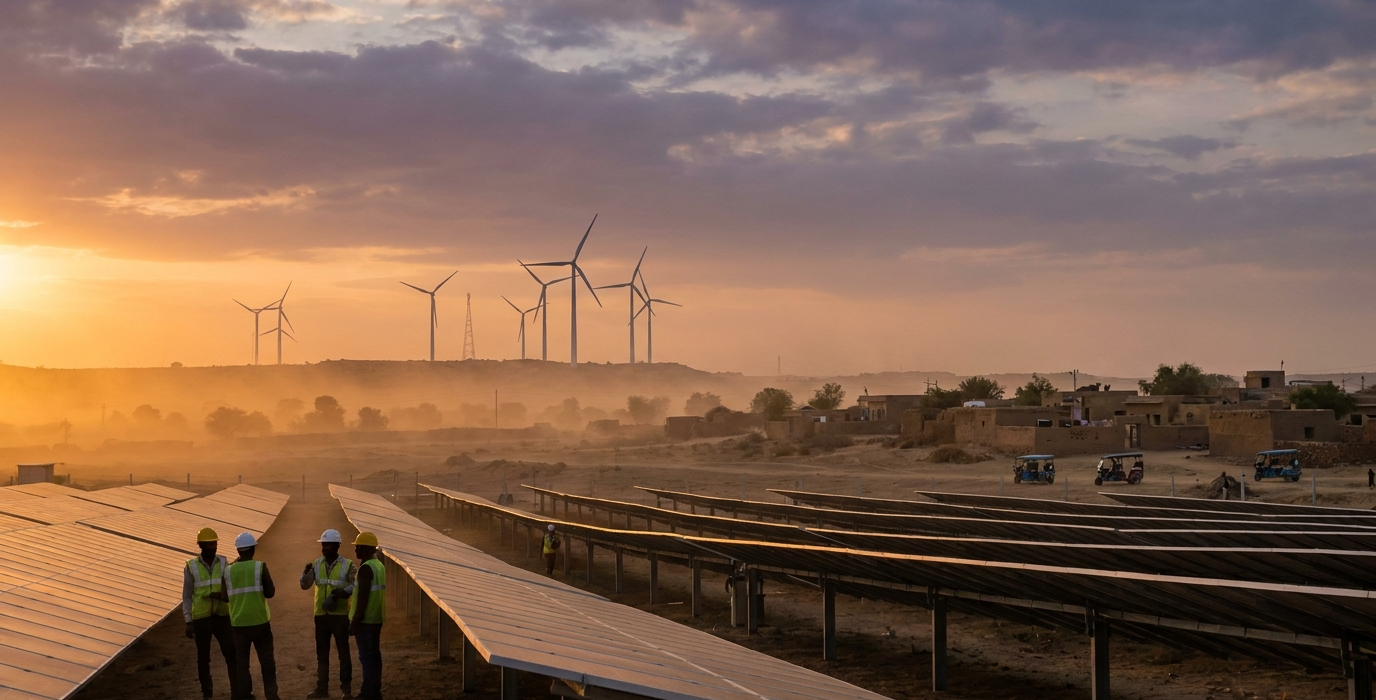
In the grand narrative of India’s renewable energy ascent, solar power stands out as the undisputed champion in 2026. Its journey from a niche technology to a mainstream energy source has been nothing short of extraordinary, driven by a confluence of declining costs, technological sophistication, and strong policy backing. The sheer volume of solar installations across the country, from vast utility-scale parks in Rajasthan to rooftop installations on homes in Kerala, is a testament to its dominance. We are seeing solar energy become an increasingly affordable and reliable power source for millions.
The cost of solar power in India has plummeted over the past decade, making it competitive with, and often cheaper than, traditional fossil fuels. This economic advantage is a primary driver of its widespread adoption. Projects are being commissioned at record speeds, with developers keen to harness the abundant solar radiation available across the subcontinent. States like Gujarat, Rajasthan, and Karnataka continue to lead in solar capacity addition, transforming arid landscapes into vibrant energy-producing hubs. The efficiency of solar panels has also seen continuous improvement, meaning more power can be generated from the same footprint.
Beyond large-scale projects, the residential rooftop solar segment is also experiencing a significant uptick. As awareness grows and financing options become more accessible, households are increasingly investing in solar power. This decentralised approach not only reduces electricity bills for consumers but also eases the burden on the national grid. A surprising fact is that India’s rooftop solar capacity, when aggregated, is now substantial enough to power several major cities, showcasing the immense distributed generation potential. The government’s continued focus on streamlining approvals and providing subsidies for rooftop installations is further accelerating this trend.
Wind Energy: Harnessing Nature’s Fury
While solar power often captures the headlines, wind energy remains a critical pillar in India’s renewable energy strategy in 2026. The nation possesses a significant wind energy potential, particularly along its extensive coastline and in certain inland regions. Significant strides have been made in enhancing the efficiency and reliability of wind turbines, making them a more attractive investment proposition. We are seeing larger, more powerful turbines being deployed, capable of generating more electricity even at lower wind speeds.
States like Tamil Nadu, Gujarat, and Maharashtra continue to be the frontrunners in wind power generation. The establishment of large wind farms, often in offshore locations, is a key development. Offshore wind projects, though more capital-intensive, offer higher and more consistent wind speeds, leading to greater energy output. India has ambitious plans for offshore wind development, with several projects in the pipeline, aiming to tap into this vast, untapped resource. This diversification beyond onshore wind is crucial for meeting our growing energy needs sustainably.
A noteworthy aspect of India’s wind energy sector is the focus on repowering older wind farms. This involves replacing older, less efficient turbines with newer, state-of-the-art models. Repowering not only increases the energy output from existing sites but also reduces the land footprint required for wind power generation. This strategic approach ensures that we maximise the use of available wind resources and maintain the competitiveness of wind energy. The synergy between wind and solar is also increasingly being recognised, with hybrid projects co-locating both technologies to provide a more stable and reliable power supply.
Grid Modernisation and Energy Storage: The Next Frontier
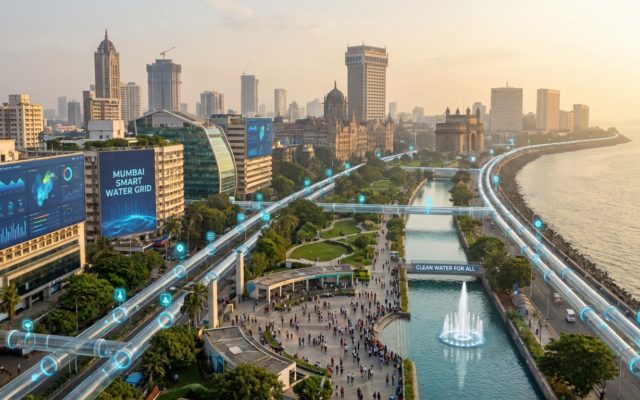
As India’s renewable energy capacity explodes in 2026, the robustness and flexibility of its electricity grid become paramount. Integrating large volumes of intermittent solar and wind power requires significant upgrades to transmission and distribution infrastructure. The grid needs to be smarter, more responsive, and capable of handling bi-directional power flow from distributed generation sources. This is where the focus on grid modernisation and the development of energy storage solutions becomes critically important.
The expansion of the Green Energy Corridors is a prime example of grid modernisation in action. These dedicated transmission networks are designed to evacuate renewable power from generation-rich areas to demand centres efficiently. Investments in advanced grid management systems, including smart meters and sophisticated forecasting tools, are also crucial. These technologies enable better prediction of renewable energy availability and allow for more effective balancing of supply and demand, thereby minimising wastage and ensuring grid stability.
However, the true game-changer for renewable energy integration is energy storage. Large-scale battery storage systems, such as lithium-ion batteries, are becoming increasingly vital for storing excess renewable energy when generation is high and discharging it when demand peaks or renewable generation dips. This capability smooths out the intermittency of solar and wind power, making them a more reliable baseload source. A surprising fact is that India is actively exploring pumped hydro storage as a cost-effective and scalable storage solution, leveraging its natural topography in regions like the Western Ghats. The government’s push for battery manufacturing and R&D is also accelerating the adoption of these critical technologies.
Green Hydrogen: The Future of Decarbonisation
Beyond solar and wind, green hydrogen is emerging as the next frontier in India’s decarbonisation journey in 2026. This clean fuel, produced by splitting water using renewable electricity (electrolysis), offers a pathway to decarbonise sectors that are difficult to electrify. These include heavy industries like steel, cement, and fertilisers, as well as long-haul transportation, where batteries are not yet a viable alternative. The National Green Hydrogen Mission is laying the groundwork for India to become a global leader in this transformative technology.
The potential of green hydrogen is immense. It can be used as a clean fuel for transportation, replacing diesel and petrol in heavy-duty vehicles and potentially in shipping and aviation. In industry, it can serve as a feedstock for chemical processes, such as ammonia production for fertilisers, and as a reducing agent in steel manufacturing, replacing coal. Furthermore, it can be used for seasonal energy storage, addressing the long-term intermittency challenges of renewables. We are already seeing pilot projects and early-stage investments in green hydrogen production facilities and its various applications.
The ecosystem for green hydrogen is rapidly developing. This includes the manufacturing of electrolysers, the infrastructure for hydrogen storage and transportation, and the development of end-use applications. India’s vast renewable energy potential provides a significant competitive advantage in producing green hydrogen cost-effectively. The government’s commitment to providing incentives and creating a favourable regulatory environment is crucial for unlocking this potential. While challenges remain, the strategic focus on green hydrogen signifies India’s forward-thinking approach to achieving its ambitious climate goals and positioning itself as a leader in the global energy transition.
Frequently Asked Questions
What are the main types of renewable energy in India?
The primary renewable energy sources in India are solar power, wind power, hydropower, biomass, and waste-to-energy. Solar and wind are currently experiencing the most rapid growth and investment.
How is the Indian government supporting renewable energy development?
The government provides support through various mechanisms, including policy frameworks like the National Solar Mission and National Wind Energy Policy, production-linked incentives (PLI) for manufacturing, tax benefits, and financing schemes. The Green Energy Corridors and the National Green Hydrogen Mission are also key initiatives.
What are the biggest challenges facing India’s renewable energy sector?
Key challenges include grid integration and stability due to the intermittency of solar and wind power, the need for adequate energy storage solutions, land acquisition for large-scale projects, and financing for newer technologies. Modernising the grid infrastructure is a continuous effort.
Is rooftop solar becoming more affordable for Indian households?
Yes, the cost of rooftop solar installations has significantly decreased, making it increasingly affordable for households. Combined with government subsidies and net metering policies, it offers a compelling way to reduce electricity bills and contribute to clean energy generation.
What is the role of green hydrogen in India’s future energy mix?
Green hydrogen is seen as a crucial element for decarbonising hard-to-abate sectors like heavy industry and long-haul transport. It can also be used for energy storage and as a clean fuel, positioning India as a leader in this emerging technology.