Key Takeaways
- Mumbai’s food scene in 2026 is a vibrant fusion of tradition and innovation, with a growing emphasis on sustainable, locally sourced ingredients.
- Expect to see a surge in regional Indian cuisines finding new expressions, moving beyond the typical North Indian fare.
- The rise of “experiential dining” is transforming how we engage with food, incorporating storytelling and immersive elements.
- Health-conscious dining is no longer a niche; expect more plant-based, gluten-free, and mindful eating options integrated seamlessly.
The Evolving Plate: Mumbai’s Culinary Renaissance 2026
Mumbai, the city that never sleeps, is also a city that never stops eating. As we navigate 2026, its culinary landscape is undergoing a profound and exciting transformation. Gone are the days when a few dominant cuisines dictated the city’s gastronomic pulse. Today, a dynamic interplay of global influences, a deep dive into forgotten regional Indian flavours, and a conscious shift towards sustainability are redefining what it means to dine in India’s financial capital. You’ll find chefs pushing boundaries, not just with ingredients, but with concepts, creating experiences that engage all your senses.
This evolution is driven by a generation of diners who are more informed, more adventurous, and more discerning than ever before. They crave authenticity, appreciate innovation, and are increasingly aware of the environmental and ethical implications of their food choices. This demand is fueling a wave of creativity, from tiny street-side stalls offering a contemporary twist on classics to high-end restaurants crafting elaborate tasting menus that tell a story. We’re witnessing a beautiful convergence of the old and the new, where tradition is not just preserved but reinterpreted with a fresh, modern perspective.
Regional Rhapsody: Rediscovering India’s Culinary Tapestry
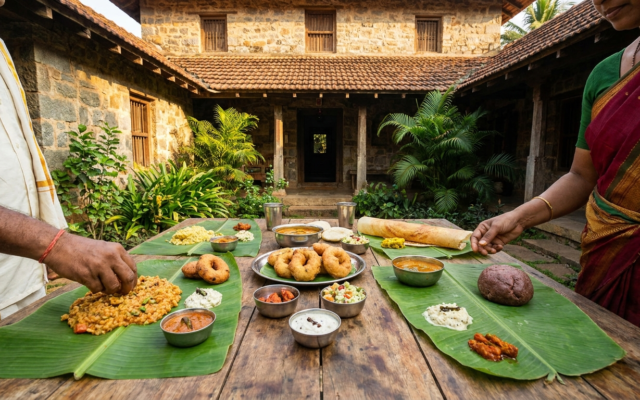
For too long, the narrative of Indian cuisine in Mumbai has been dominated by North Indian fare. While beloved, this has often overshadowed the incredible diversity that exists within our own country. In 2026, we are witnessing a powerful resurgence of regional Indian cuisines. Chefs are journeying to the hinterlands, unearthing ancient recipes, and bringing them back to the city with refined presentations and thoughtful sourcing. Think beyond butter chicken and dal makhani; prepare your palate for the nuanced flavours of Kerala’s Karimeen Pollichathu (pearl spot fish baked in banana leaves) served with innovative accompaniments, or the robust spices of Rajasthani Laal Maas reimagined with ethically sourced lamb.
This rediscovery isn’t just about replicating old dishes. It’s about understanding the philosophy behind them – the seasonality of ingredients, the local agricultural practices, and the cultural significance of each preparation. You’ll find restaurants in Bandra and Colaba dedicating entire menus to a single state, like Gujarat or Odisha, showcasing their unique culinary heritage. One surprising trend is the elevation of lesser-known grains like Barnyard Millet (Jhangora), once a staple in rural Uttarakhand, now appearing in gourmet risottos and delicate desserts across Mumbai’s top eateries. This focus on regionality is not just a culinary trend; it’s a movement to celebrate India’s vast and varied edible landscape.
The Rise of Experiential Dining: More Than Just a Meal
Dining out in 2026 is no longer solely about the food on your plate; it’s about the entire immersive experience. Experiential dining has moved from a niche concept to a significant force shaping Mumbai’s restaurant scene. This means restaurants are meticulously crafting environments that tell a story, engage your senses, and create lasting memories. Imagine dining in a space that mimics a bustling spice market in Kochi, complete with aromatic diffusers and ambient sounds, or a tasting menu that unfolds like a narrative, with each dish representing a chapter in a chef’s journey.
This trend extends to interactive elements. Some establishments are offering hands-on workshops before your meal, teaching you how to make a specific regional bread or pickle, deepening your appreciation for the culinary craft. Others are incorporating live storytelling, with chefs or culinary historians sharing anecdotes about the dishes and their origins. A fascinating example we encountered recently was at a new farm-to-table restaurant in Alibaug, where diners were invited to participate in a pre-dinner harvest of herbs from their organic gardens. This holistic approach transforms a meal into a memorable adventure, making every bite more meaningful.
Sustainable Sourcing: From Farm to Fork, Responsibly
The conversation around food in 2026 is intrinsically linked to sustainability, and Mumbai’s culinary leaders are embracing this ethos with conviction. You’ll notice a significant shift towards locally sourced, seasonal, and ethically produced ingredients. This means fewer food miles, reduced carbon footprints, and a greater appreciation for the farmers and producers who are the backbone of our food system. Restaurants are actively forging direct relationships with farmers in Maharashtra’s hinterlands, ensuring fair prices and promoting regenerative agricultural practices.
This commitment goes beyond just sourcing. We’re seeing a rise in zero-waste kitchens, where chefs are creatively utilizing every part of an ingredient. Vegetable peels become flavourful broths, overripe fruits are transformed into exquisite preserves, and discarded bread is given new life as artisanal croutons or bread pudding. Many establishments are also championing plant-based and vegan menus, not as an afterthought, but as a core offering, demonstrating the incredible versatility and deliciousness of plant-forward cooking. The surprising fact here is the resurgence of traditional composting and vermicomposting techniques being adopted by even the most modern restaurants, turning kitchen scraps into nutrient-rich soil for their own gardens or for local community projects.
The Health-Conscious Wave: Mindful Eating Takes Centre Stage
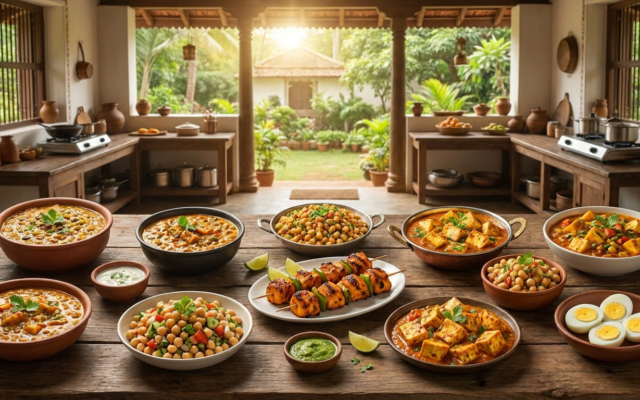
The growing awareness about health and wellness has profoundly impacted Mumbai’s food scene in 2026. Eating out is no longer about guilt; it’s about nourishment and well-being, with a strong emphasis on mindful eating. Diners are actively seeking out options that align with their dietary needs and preferences, and restaurants are responding with creativity and inclusivity. You’ll find menus that clearly highlight gluten-free, dairy-free, nut-free, and low-sugar options without compromising on flavour or innovation.
The focus is on whole, unprocessed ingredients and balanced nutrition. This means a greater prevalence of fermented foods like kimchi and kombucha, ancient grains like amaranth and finger millet (ragi), and a vibrant array of fresh vegetables and fruits. Chefs are experimenting with healthier cooking methods like steaming, grilling, and baking, while also reducing the reliance on refined oils and excessive spices in certain dishes. It’s a delightful shift where indulging your taste buds can also mean nourishing your body. We’ve even seen a growing trend of “functional foods” being incorporated into desserts, such as adaptogenic mushrooms or antioxidant-rich berries, proving that healthy can indeed be decadent.
A Table for Every Palate: Decoding 2026’s Dining Options
Navigating Mumbai’s ever-expanding culinary map can be exhilarating, and in 2026, there’s truly a dining experience tailored for every palate and budget. The spectrum ranges from avant-garde fine dining that redefines Indian flavours to humble street food stalls that have embraced modern hygiene and presentation. For those seeking a sophisticated evening, restaurants in South Mumbai like those in the Fort area continue to offer exquisite tasting menus, often focusing on modern interpretations of heritage dishes. The price point here can range from ₹4,000 to ₹8,000 per person for a multi-course meal, excluding beverages.
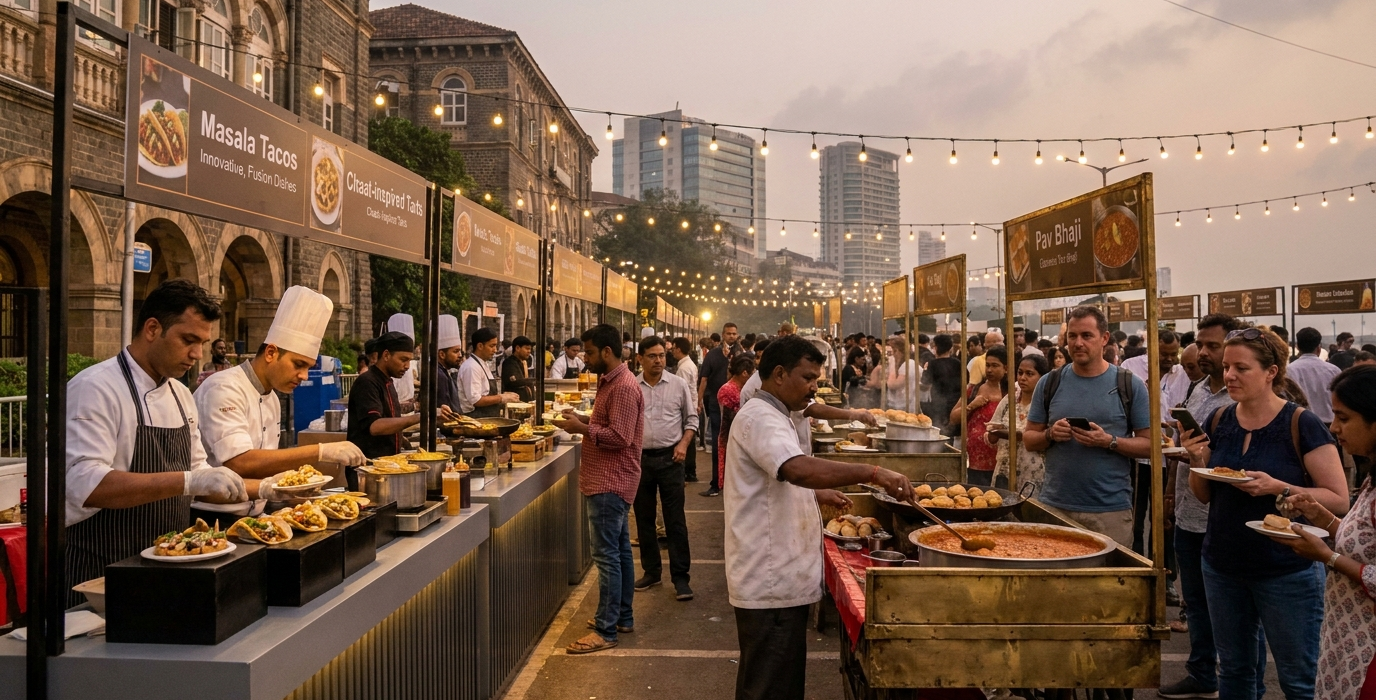
On the other end of the spectrum, the street food scene, particularly in areas like Dadar and Mohammed Ali Road, is thriving with innovation. While traditional favourites like Pav Bhaji and Vada Pav remain popular, you’ll now find vendors offering gourmet versions, using artisanal buns or unique spice blends. These can be enjoyed for as little as ₹100 to ₹300 per person. For families or groups looking for a balanced experience, mid-range restaurants in suburbs like Bandra and Juhu offer diverse menus, often blending Indian and international influences, with an average meal costing around ₹1,500 to ₹2,500 per person. Here’s a quick look at how some popular dining styles might stack up:
| Dining Style | Typical Price Range (per person, ex. drinks) | Cuisine Focus | Atmosphere |
|---|---|---|---|
| Fine Dining (Modern Indian) | ₹4,000 – ₹8,000+ | Innovative, heritage-inspired | Elegant, intimate, often with tasting menus |
| Regional Specialty Restaurants | ₹2,000 – ₹3,500 | Specific Indian states (e.g., Goan, Bengali) | Authentic, often casual to semi-formal |
| Gourmet Street Food Stalls | ₹100 – ₹300 | Classic street food with modern twists | Vibrant, bustling, casual |
| Casual Dining (Fusion/Global) | ₹1,500 – ₹2,500 | Mix of Indian and international dishes | Relaxed, family-friendly, often in suburbs |
When choosing your next culinary adventure, consider what you’re seeking: a quiet, reflective meal, a lively social gathering, or an exploration of unfamiliar tastes. Mumbai’s 2026 dining scene promises to deliver on all fronts, encouraging you to be curious and to savour every moment.
“The most exciting food trends in Mumbai in 2026 aren’t about reinventing the wheel, but about rediscovering its spokes – the forgotten regional ingredients and techniques that form the true heart of Indian cuisine.”
Frequently Asked Questions
What are the most popular regional Indian cuisines to try in Mumbai in 2026?
Beyond the usual North Indian fare, look for restaurants specializing in the vibrant flavours of Kerala, the spicy dishes of Rajasthan, the coastal delicacies of Goa, and the comforting recipes from Bengal and Gujarat. Chefs are increasingly highlighting these diverse culinary traditions.
Are there affordable fine-dining options in Mumbai?
While true fine dining can be expensive, many restaurants offer excellent multi-course tasting menus at the lower end of the fine-dining price spectrum (around ₹4,000-₹5,000). You can also find exceptional value by exploring upscale casual dining spots that offer creative dishes in a relaxed setting.
How has sustainability impacted Mumbai’s restaurant menus?
Sustainability is a major driver. Expect menus featuring locally sourced, seasonal produce, reduced food waste practices, and a growing number of plant-based and vegan options. Many restaurants are also highlighting their partnerships with local farmers.
Is Mumbai’s street food scene safe and hygienic in 2026?
Yes, many street food vendors have significantly upgraded their hygiene standards. Look for stalls that are clean, well-maintained, and popular with locals, as this often indicates good quality and safety. Many also offer modern twists on classics with improved presentation.