Key Takeaways
- NEP 2026 prioritises holistic development and critical thinking over rote memorisation, introducing new assessment methods.
- The policy mandates increased integration of vocational training from secondary school, offering diverse career pathways.
- Technology will be a cornerstone, with initiatives for digital literacy, online learning platforms, and AI in education.
- New provisions focus on equity and inclusion, aiming to bring underprivileged students into the mainstream and address learning gaps.
The Evolving Landscape of Indian Education: NEP 2026 Unveiled
The National Education Policy (NEP) 2026 is here, and it promises to reshape how we learn, teach, and think about education in India. This isn’t just a minor tweak; it’s a significant overhaul designed to prepare our youth for a rapidly changing global landscape. For students, parents, and educators across India, understanding these changes is crucial. We’re moving away from a system focused on accumulating degrees to one that fosters genuine understanding and adaptability.
This policy addresses long-standing challenges in our education system, from curriculum relevance to accessibility. It acknowledges that the world of work is evolving at an unprecedented pace, and our educational institutions must keep up. The NEP 2026 aims to cultivate lifelong learners, critical thinkers, and innovators. We’ll explore the key pillars of this new policy and what they mean for your educational journey.
Our goal is to provide you with a clear, actionable understanding of these reforms. Whether you’re a student in Delhi planning your future, a parent in Chennai guiding your child, or an educator in Kolkata implementing new strategies, this guide will equip you with the essential knowledge. Let’s dive into the specifics and see how NEP 2026 will impact you and your loved ones.
Rethinking Learning: From Rote to Resonance
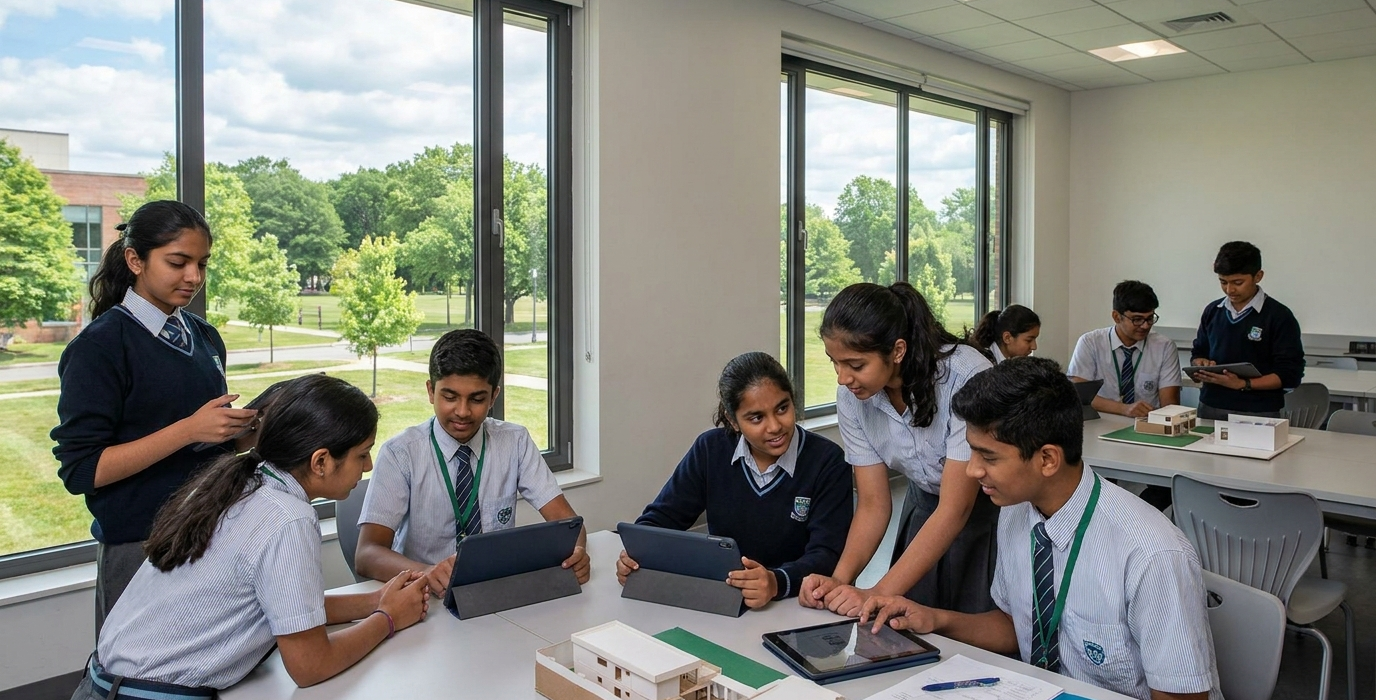
One of the most profound shifts introduced by NEP 2026 is its emphasis on moving beyond rote memorisation. The policy champions a pedagogical approach that encourages deep understanding, critical thinking, and problem-solving skills. This means classrooms will likely see more project-based learning, interactive discussions, and real-world applications of knowledge. The aim is to make learning engaging and meaningful, rather than a task of simply recalling facts.
Assessment methods are also set for a transformation. Instead of solely relying on high-stakes annual examinations, NEP 2026 promotes continuous and comprehensive evaluation. This includes formative assessments, peer evaluations, and self-assessments, providing a more nuanced picture of a student’s progress. The goal is to reduce exam stress and foster a learning environment where mistakes are seen as opportunities for growth. Imagine a student in a small village in Rajasthan receiving regular feedback that helps them improve, not just a single score that determines their fate.
The ‘360-Degree Holistic Progress Card’
A significant innovation is the introduction of a ‘360-Degree Holistic Progress Card’. This card will document not only academic achievements but also skills, competencies, and holistic development aspects like creativity, critical thinking, and collaboration. This comprehensive view will be invaluable for students as they navigate higher education and career choices. It acknowledges that success is multifaceted and encompasses much more than just textbook knowledge. For instance, a student demonstrating exceptional leadership in a school debate club will be recognised, fostering well-rounded individuals.
This shift requires a corresponding change in how teachers are trained and supported. NEP 2026 includes provisions for continuous professional development for educators, equipping them with the skills to implement these new teaching and assessment methodologies. The focus will be on facilitating learning, fostering inquiry, and nurturing curiosity. This collaborative approach ensures that the policy’s vision is effectively translated into classroom realities across diverse educational settings.
Vocationalisation: Bridging Education and Employment
NEP 2026 places a strong emphasis on integrating vocational education into the mainstream curriculum, starting from the secondary level. This move is designed to equip students with practical skills and make them job-ready, irrespective of whether they pursue higher education. The aim is to dismantle the traditional hierarchy that often places vocational training as secondary, recognising its crucial role in economic development.
The policy envisions a system where students can choose from a wide array of vocational streams, alongside academic subjects. This could include anything from digital marketing and graphic design to renewable energy technician roles and artisanal crafts. Think of a student in rural Maharashtra learning sustainable farming techniques that are relevant to their local economy, or a student in Bengaluru gaining coding skills that are in demand globally. This flexibility allows students to tailor their education to their interests and future aspirations.
Skill Integration and Pathways
Crucially, NEP 2026 aims to ensure that vocational courses are not isolated tracks but are integrated with academic learning. This means students can earn credits for vocational courses that can be recognised towards higher education qualifications. This creates seamless pathways, allowing students to switch between academic and vocational streams or pursue both simultaneously. The policy also encourages collaborations between educational institutions and industry partners to ensure that vocational training remains relevant and up-to-date with industry needs.
The government is committed to establishing Skill Hubs and Centres of Excellence across the country. These centres will provide state-of-the-art training facilities and mentorship, ensuring quality education and certification. This focus on practical, employable skills is a significant step towards addressing youth unemployment and fostering a more skilled workforce. It’s about creating opportunities for everyone to find fulfilling careers, whether through university or specialised training.
Technology as a Catalyst for Learning
Technology is no longer an optional add-on; it’s a cornerstone of NEP 2026. The policy recognises the transformative power of digital tools in enhancing learning experiences, expanding access, and improving administrative efficiency. This includes a significant push for digital literacy among students and teachers, ensuring everyone can effectively leverage these resources.
We’ll see a greater emphasis on online learning platforms and digital content. These will provide students with access to high-quality educational resources, even in remote areas. Imagine a student in a remote Andaman island accessing lectures from top universities or interactive simulations that would be impossible to replicate in a traditional classroom. The policy advocates for the development of open educational resources (OERs) to ensure accessibility and affordability.
AI and EdTech Integration
NEP 2026 also embraces emerging technologies like Artificial Intelligence (AI) and Machine Learning (ML). AI can be used for personalized learning paths, adaptive assessments, and providing intelligent tutoring systems. For instance, an AI tutor could identify a student’s specific learning difficulties in mathematics and provide tailored exercises and explanations, much like a personal coach. This allows educators to focus on higher-level tasks like mentorship and fostering critical thinking.
The policy underscores the importance of digital infrastructure development in schools and higher education institutions. This includes ensuring adequate internet connectivity, access to devices, and cybersecurity measures. The aim is to create a robust digital ecosystem that supports inclusive and equitable learning opportunities for all. This technological integration is not just about using gadgets; it’s about fundamentally enhancing the learning experience and preparing students for a digitally driven future.
Ensuring Equity and Inclusion: Leaving No One Behind
A core tenet of NEP 2026 is the unwavering commitment to equity and inclusion. The policy seeks to address historical disparities and ensure that every child, regardless of their background, has access to quality education. This includes provisions for students from disadvantaged communities, girls, children with disabilities, and those in remote or underserved areas.
Significant efforts will be made to reduce learning gaps. This involves targeted interventions, remedial classes, and the development of appropriate learning materials for students who are falling behind. The policy promotes the use of technology to bridge these gaps, providing personalized support and access to resources that might otherwise be unavailable. For a child in a tribal district of Odisha, this could mean access to digital learning modules in their local language.
Focus on Early Childhood Care and Education (ECCE)
NEP 2026 places a renewed focus on Early Childhood Care and Education (ECCE). High-quality ECCE is recognised as foundational for lifelong learning and development. The policy aims to expand access to affordable and inclusive ECCE centres, ensuring that all children, particularly those from vulnerable populations, receive a strong start. This includes providing trained caregivers and age-appropriate curriculum, setting the stage for future academic success.
Furthermore, the policy advocates for gender-sensitive pedagogy and inclusive classroom environments. This means creating spaces where all students feel safe, respected, and encouraged to participate fully. Special provisions are being made to support girls’ education and ensure their retention in schools. This holistic approach to equity ensures that the benefits of educational reform reach every corner of India, fostering a truly inclusive society.
Higher Education Reforms: Global Standards and Flexibility
The transformation extends to higher education, with NEP 2026 aiming to create world-class institutions and flexible learning pathways. The goal is to enhance the quality, accessibility, and affordability of higher education, making Indian universities competitive on a global stage.
One of the most significant changes is the establishment of a National Higher Education Qualification Framework (NHEQF). This framework will define the standards for qualifications across all disciplines and modes of learning. It will provide clarity and comparability for degrees and diplomas, both nationally and internationally. This means a degree earned in India will be more readily understood and recognised worldwide.
Multidisciplinary Education and Research
NEP 2026 strongly promotes multidisciplinary education and research. Students will have the flexibility to choose subjects from different disciplines, fostering a broader understanding and encouraging interdisciplinary innovation. Imagine a student pursuing a degree in computer science who can also minor in economics or fine arts, leading to novel career paths. This approach prepares graduates for complex, interconnected global challenges.
The policy also advocates for increased research and innovation funding. It aims to create a more vibrant research ecosystem, encouraging faculty and students to engage in cutting-edge research. This includes establishing research centres of excellence and fostering collaborations between universities and industry. A surprising fact is that NEP 2026 explicitly encourages the use of AI in research to accelerate discovery and analysis, a move that could significantly boost India’s scientific output. The aim is to move beyond simply imparting knowledge to actively creating new knowledge and solutions.
The Road Ahead: Implementation and Impact
The successful implementation of NEP 2026 hinges on concerted efforts from all stakeholders. This includes the government, educational institutions, teachers, parents, and students themselves. While the policy provides a robust framework, its translation into tangible outcomes requires continuous dialogue, adaptation, and resource allocation.
We can expect to see a phased rollout of these reforms. Initial phases will likely focus on curriculum development, teacher training, and establishing foundational digital infrastructure. Over the next few years, the policy’s provisions will permeate all levels of education, from Anganwadis to doctoral programs. The aim is not a rushed implementation but a sustainable, systemic change.
Challenges and Opportunities
There will undoubtedly be challenges. Ensuring equitable access to technology, training a massive workforce of educators, and adapting to new assessment methods will require significant investment and strategic planning. For instance, providing reliable internet access to every village in India, from the Himalayas to the Sundarbans, is a monumental task. However, these challenges also present unprecedented opportunities to innovate and build an education system that is truly fit for the 21st century.
The true measure of NEP 2026’s success will be its ability to empower every Indian student with the knowledge, skills, and confidence to thrive in a dynamic world, and to contribute meaningfully to our nation’s progress.
As we move forward, it’s essential for us to stay informed and engaged. Your feedback and participation will be vital in shaping the future of education in India. This policy is not just about rules and regulations; it’s about fostering a generation of thinkers, creators, and leaders. The journey begins now, and the future of learning in India looks brighter than ever.
Frequently Asked Questions
What is the main goal of NEP 2026?
The main goal of NEP 2026 is to create a more holistic, flexible, and equitable education system that fosters critical thinking, creativity, and lifelong learning, preparing students for the 21st-century global landscape.
How will NEP 2026 affect existing school curricula?
NEP 2026 will lead to significant revisions in school curricula, shifting the focus from rote learning to conceptual understanding, integrating vocational subjects, and introducing new assessment methods like the ‘360-Degree Holistic Progress Card’.
Will technology play a bigger role in education under NEP 2026?
Yes, technology is a central pillar of NEP 2026. It will be used to enhance learning experiences, improve accessibility through online platforms, and integrate AI for personalized learning and administrative efficiency.
What are the key changes in higher education under NEP 2026?
Higher education will see a push towards multidisciplinary education, flexible degree programs, research and innovation, and the establishment of a National Higher Education Qualification Framework (NHEQF) to ensure global standards and comparability.
How does NEP 2026 address the issue of learning gaps?
NEP 2026 focuses on reducing learning gaps through targeted interventions, remedial classes, and the use of technology to provide personalized support, especially for disadvantaged students and those in underserved areas.