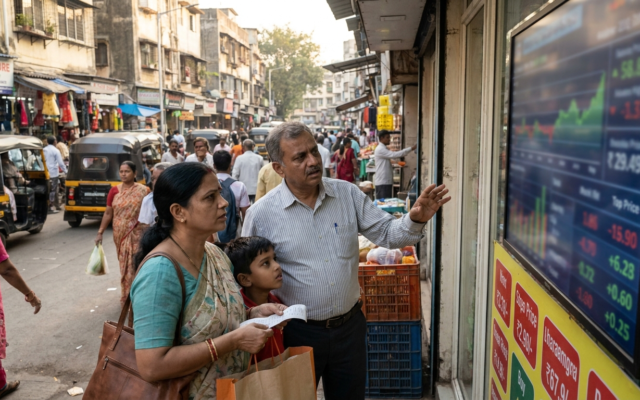
Key Takeaways
- India’s cryptocurrency market is experiencing rapid growth, presenting significant investment opportunities.
- Understanding the regulatory landscape, particularly the Virtual Digital Asset (VDA) tax, is crucial for Indian investors.
- Diversification across different types of digital assets and employing robust security measures are key to mitigating risks.
- Emerging trends like Decentralized Finance (DeFi) and Non-Fungible Tokens (NFTs) offer novel avenues for engagement and potential returns.
The Indian Crypto Conundrum: A Gold Rush or a Mirage?
The hum of innovation is palpable across India’s digital landscape, and nowhere is it louder than in the burgeoning cryptocurrency sector. What was once a niche interest for tech enthusiasts is rapidly evolving into a mainstream investment avenue, attracting millions of Indians. From bustling Mumbai to the tech hubs of Bengaluru and the historic streets of Kolkata, conversations about Bitcoin, Ethereum, and other digital assets are commonplace. This surge isn’t just about speculation; it reflects a growing digital literacy and a desire for alternative investment portfolios that can potentially outpace traditional assets. As we stand in mid-2026, the question on many minds is whether this crypto boom is a sustainable gold rush or a fleeting mirage. The sheer volume of new users entering the market, coupled with the increasing sophistication of trading platforms and the development of a clearer regulatory framework, suggests a more grounded reality than a mere illusion. However, the inherent volatility of cryptocurrencies means that caution and informed decision-making are paramount for anyone looking to participate.
The Indian government, after initial apprehension, has taken steps to bring clarity to the crypto space. The introduction of a 30% tax on gains from Virtual Digital Assets (VDAs), along with a 1% Tax Deducted at Source (TDS) on transactions, has provided a semblance of legitimacy. While these measures might seem steep to some, they signal official recognition and pave the way for more structured growth. For investors, this means a more predictable environment, albeit one that requires careful tax planning. The days of complete anonymity are largely over for those operating within the Indian regulatory net, making compliance a non-negotiable aspect of any crypto investment strategy. We are seeing platforms offering integrated tax reporting tools, a testament to this evolving ecosystem.
The sheer diversity of digital assets available today is staggering. Beyond the well-known Bitcoin and Ethereum, thousands of altcoins and tokens exist, each with its own use case, technology, and risk profile. This diversity is both an opportunity and a challenge. It allows for strategic diversification, spreading investments across different blockchain technologies and sectors within the crypto economy. However, it also necessitates a deep dive into research to distinguish genuine projects from speculative ventures. The allure of quick, massive returns can be tempting, but a closer look at the underlying technology, the development team, and the community support is essential for long-term success. We are no longer in the era where simply buying Bitcoin was the only option; a sophisticated approach is now required.
Decoding India’s Regulatory Framework: Tax and Compliance
Navigating the Indian cryptocurrency landscape in 2026 requires a thorough understanding of the prevailing tax regulations. The cornerstone of this framework is the 30% tax levied on profits from the sale or transfer of Virtual Digital Assets (VDAs). This tax applies irrespective of the holding period, meaning short-term gains and long-term gains are treated identically. It’s a significant departure from traditional asset taxation and requires diligent record-keeping. You cannot simply offset losses from one VDA against gains from another; each VDA is taxed individually. This rule, while strict, is intended to prevent complex tax arbitrage schemes.
Adding another layer of compliance is the 1% Tax Deducted at Source (TDS) on every cryptocurrency transaction exceeding a certain threshold. This TDS is deducted by the exchange or platform facilitating the trade. While this mechanism aims to curb tax evasion, it can impact liquidity for active traders who frequently enter and exit positions. For instance, a trader making multiple small trades throughout the day could see a considerable portion of their capital tied up in TDS. It’s crucial to factor these deductions into your trading strategy and understand how they affect your overall portfolio performance. Platforms are now mandated to provide TDS certificates, which can be used to claim credit for the deducted tax against your final income tax liability.
Beyond these central taxes, it’s essential to be aware of potential state-level implications or future regulatory updates. The Indian government has been proactive in its approach, and the crypto space is dynamic. Keeping abreast of announcements from the Ministry of Finance and the Reserve Bank of India (RBI) is not just advisable; it’s a necessity for any serious investor. Furthermore, understanding the definition of a VDA is critical. Currently, it encompasses cryptocurrencies, Non-Fungible Tokens (NFTs), and other digital assets with similar characteristics. This broad definition means that as new forms of digital assets emerge, they are likely to fall under the same tax regime. We are seeing increased clarity on the treatment of staking rewards and mining income, which are also generally treated as VDAs.
One surprising fact for many is that the Indian tax authorities have been actively using advanced data analytics to track cryptocurrency transactions. While many transactions are facilitated through exchanges, the decentralized nature of some blockchain activities means that the onus is increasingly on the individual to report their income accurately. Relying solely on the TDS deducted by platforms might not be sufficient if you engage in peer-to-peer transactions or utilize decentralized exchanges. Therefore, maintaining meticulous personal records of all your crypto activities, including purchase dates, costs, sale prices, and transaction fees, is an indispensable practice. This proactive approach to record-keeping will save you considerable trouble during tax season.
Diversification and Risk Management: Protecting Your Digital Portfolio
The inherent volatility of the cryptocurrency market makes robust risk management not just a recommendation, but an absolute imperative. For Indian investors, simply piling all your capital into a single digital asset, even a seemingly stable one like Bitcoin, is akin to putting all your eggs in one basket. Diversification is the cornerstone of a resilient portfolio, spreading your risk across different types of digital assets. This means exploring not just major cryptocurrencies, but also considering stablecoins, utility tokens, and even promising new projects with strong fundamentals. The goal is to create a portfolio where the underperformance of one asset is potentially offset by the gains in another.
When diversifying, consider the underlying technology and use case of each asset. For example, investing in assets focused on decentralized finance (DeFi) offers exposure to a different segment of the crypto economy than those focused on supply chain management or gaming. Each sector has its own unique drivers of growth and associated risks. You might allocate a portion of your portfolio to established, blue-chip cryptocurrencies, another to newer, high-growth potential altcoins, and a smaller portion to more speculative ventures. This layered approach helps balance the potential for high returns with the need for capital preservation. We are seeing a growing trend of investors creating portfolios that mirror the broader digital economy.
Beyond asset diversification, security is paramount. The rise of sophisticated cyber threats means that safeguarding your digital assets is as critical as securing your physical valuables. Using hardware wallets for storing significant amounts of cryptocurrency is a game-changer. Unlike software wallets that are connected to the internet, hardware wallets store your private keys offline, making them virtually immune to online hacking attempts. Always enable Two-Factor Authentication (2FA) on all your exchange accounts and wallets. Treat your private keys and seed phrases with the utmost secrecy – these are the keys to your digital fortune, and if lost or stolen, your assets are gone forever.
Another vital aspect of risk management is understanding market cycles. The cryptocurrency market is known for its dramatic booms and busts. Avoid making emotional decisions driven by fear of missing out (FOMO) during rallies or panic selling during downturns. A well-defined investment strategy, including predetermined entry and exit points, can help you navigate these emotional rollercoasters. Consider Dollar-Cost Averaging (DCA), a strategy where you invest a fixed amount of money at regular intervals, regardless of the price. This approach helps mitigate the risk of buying at market peaks and averages out your purchase cost over time. We are observing that investors who stick to their strategies, even during extreme market fluctuations, tend to fare better in the long run.
Emerging Trends: DeFi, NFTs, and Beyond in 2026
The cryptocurrency landscape is constantly evolving, and by mid-2026, several key trends are shaping the future of digital assets. Decentralized Finance (DeFi) continues its impressive trajectory, offering a suite of financial services – lending, borrowing, trading, and insurance – built on blockchain technology, without traditional intermediaries. For Indian investors, DeFi presents an opportunity to earn passive income through staking and yield farming, often at rates significantly higher than those offered by traditional banks. However, it’s crucial to understand the smart contract risks involved, as vulnerabilities can lead to substantial losses. Thorough research into the protocols you are engaging with is non-negotiable.
Non-Fungible Tokens (NFTs) have moved beyond the realm of digital art and collectibles and are now finding utility in various sectors. We are seeing NFTs being used for ticketing, digital identity, real estate tokenization, and even supply chain verification. For creators and businesses in India, NFTs offer new avenues for monetization and engagement with their audience. Imagine an Indian textile designer tokenizing their unique designs, allowing customers to own a verifiable digital certificate of authenticity. This opens up global markets and creates new revenue streams. The key to success in the NFT space lies in understanding the underlying utility and community building around a project.
The concept of the Metaverse, a persistent, interconnected set of virtual spaces, is also gaining traction. As more individuals and businesses invest in building virtual worlds, the demand for in-world assets and currencies is set to rise. Cryptocurrencies will play a pivotal role in these virtual economies, enabling transactions and ownership of digital goods. For Indian developers and artists, the Metaverse presents an unprecedented opportunity to create and monetize virtual experiences and assets. Participating in these early stages could offer significant long-term potential, though it remains a frontier with considerable speculative risk.
Furthermore, the integration of blockchain technology with real-world assets is a trend to watch closely. Tokenizing tangible assets like real estate, gold, or even intellectual property can make them more liquid and accessible to a wider range of investors. Imagine fractional ownership of a heritage property in Rajasthan through tokenized assets. This not only democratizes investment but also unlocks value in traditionally illiquid markets. The regulatory clarity around such tokenized assets will be crucial for their widespread adoption, but the potential for innovation is immense. We are witnessing the early stages of a fundamental shift in how assets are owned and traded.
Navigating Exchanges and Wallets: Your Digital Gateway
Choosing the right cryptocurrency exchange and wallet is a fundamental decision for anyone entering the Indian crypto market. For trading and purchasing digital assets, you’ll need to select a reliable exchange. In India, platforms like WazirX, CoinDCX, and ZebPay have established themselves as popular choices, offering user-friendly interfaces and compliance with local regulations. When evaluating an exchange, consider factors such as security measures, trading fees, available trading pairs, liquidity, and customer support. A high level of security, including robust KYC (Know Your Customer) and AML (Anti-Money Laundering) procedures, is essential to protect your funds from unauthorized access.
The ease of deposits and withdrawals is another critical factor, especially with the 1% TDS on transactions. Ensure the exchange supports your preferred banking methods for seamless fund transfers. Compare the trading fees charged by different exchanges, as these can significantly impact your profitability, especially if you are an active trader. Some exchanges offer tiered fee structures based on trading volume, while others have a flat rate. Understanding these fee structures is key to optimizing your trading costs. We recommend looking for exchanges that provide clear and transparent fee breakdowns.
When it comes to storing your cryptocurrency, the choice between a hot wallet and a cold wallet depends on your investment strategy and risk tolerance. Hot wallets, such as mobile or web-based wallets, are convenient for frequent trading and everyday transactions. However, they are connected to the internet and are therefore more vulnerable to online threats. Cold wallets, primarily hardware wallets like Ledger or Trezor, store your private keys offline, offering the highest level of security for long-term holding of significant amounts of crypto. A surprising fact for many is that the cost of a hardware wallet, typically ranging from ₹4,000 to ₹10,000, is a small price to pay for the peace of mind it offers.
It’s also wise to use multiple wallets for different purposes. You might keep a small amount of crypto in a hot wallet for active trading and the majority of your holdings in a secure cold wallet. Always double-check the wallet address before sending any funds, as sending crypto to the wrong address is irreversible. Furthermore, ensure you back up your wallet’s recovery phrase (seed phrase) securely and store it offline in multiple locations. Losing this phrase means losing access to your funds, even if you have the wallet itself. The digital gateway to your crypto assets is only as secure as the measures you put in place.
The Future of Crypto in India: Innovation and Opportunity
The trajectory of cryptocurrency in India points towards continued innovation and expanding opportunities. The government’s pragmatic approach, moving from initial caution to regulated integration, suggests a commitment to harnessing the potential of this technology. As more institutions and traditional businesses begin to explore blockchain applications, the demand for skilled professionals in areas like blockchain development, smart contract auditing, and crypto analytics will surge. This presents a significant career path for young Indians eager to be at the forefront of technological advancement. We are seeing a growing number of universities offering specialized courses in blockchain technology.
The development of a robust digital asset ecosystem will likely foster greater adoption of cryptocurrencies for everyday transactions. While widespread use as a payment method is still some way off, the increasing acceptance of crypto payments by certain online retailers and service providers is a positive sign. The focus is shifting from pure speculation to utility, with projects demonstrating real-world applications gaining more traction. This shift is crucial for the long-term sustainability and mainstream acceptance of digital assets. The potential for cross-border remittances using cryptocurrencies, bypassing traditional banking channels, also holds immense promise for India.
Furthermore, the underlying blockchain technology itself has applications far beyond currency. Its potential to revolutionize sectors like supply chain management, healthcare records, and digital voting is immense. As India continues its digital transformation journey, blockchain is poised to be a key enabler of transparency, efficiency, and security across various industries. The government’s ‘Digital India’ initiative provides a fertile ground for such innovations to flourish. The regulatory framework, while still evolving, is providing a necessary structure within which these advancements can occur responsibly.
One of the most exciting prospects is the potential for India to become a global leader in blockchain innovation. With a vast pool of tech talent, a rapidly growing digital economy, and an increasing openness to new technologies, the country is well-positioned to spearhead the next wave of decentralized applications. The focus will increasingly be on building sustainable, scalable, and socially impactful blockchain solutions. The journey of cryptocurrency in India is far from over; it’s a dynamic and rapidly unfolding story of innovation, investment, and the reimagining of financial and technological paradigms.
Frequently Asked Questions
What is the current tax rate on cryptocurrency in India?
As of mid-2026, India imposes a 30% tax on profits from the sale or transfer of Virtual Digital Assets (VDAs), including cryptocurrencies. This tax is applied regardless of the holding period.
Do I need to declare my cryptocurrency holdings in India?
Yes, you are legally required to declare all your cryptocurrency holdings and any profits made from them when filing your income tax returns in India. The 1% TDS on transactions also helps authorities track activity.
Are NFTs taxed the same way as cryptocurrencies in India?
Yes, Non-Fungible Tokens (NFTs) are classified as Virtual Digital Assets (VDAs) in India and are subject to the same 30% tax on gains and 1% TDS on transactions.
What is the safest way to store my cryptocurrency in India?
For long-term storage of significant amounts, a hardware wallet (cold storage) is considered the safest method as it keeps your private keys offline. For frequent trading, a secure hot wallet with Two-Factor Authentication enabled is an option, but less secure than cold storage.
Can I trade cryptocurrencies directly with another person in India?
While peer-to-peer (P2P) trading is possible, it is crucial to be aware of the tax implications and potential risks. Ensure you accurately report all such transactions and use secure methods to verify the other party and the transaction details.