Key Takeaways
- Indian eco-fashion is shedding its rustic image, embracing contemporary designs and global appeal.
- Key trends include upcycling, natural dyes, and indigenous textile revival, all supported by a growing consumer consciousness.
- The rise of circular fashion models and transparent supply chains is empowering consumers to make informed choices.
- From artisanal weaves to innovative bio-fabrics, India’s sustainable fashion landscape offers a diverse and exciting array of options for conscious shoppers.
The Greening of the Wardrobe: India’s Sustainable Style Revolution
The rustle of silk, the feel of handloom cotton – these are timeless sensations. But what if those sensations came with a clear conscience? India, a nation steeped in textile heritage, is at the forefront of a global shift towards sustainable fashion. This isn’t just about wearing hemp tunics anymore; it’s about a vibrant, dynamic movement where cutting-edge design meets ethical production. We’re seeing a profound transformation, moving beyond niche markets to become a significant force in the wardrobes of conscious consumers across the country and beyond.
For too long, “eco-friendly” fashion conjured images of drab, uninspired garments. That perception is rapidly becoming a relic of the past. Today’s Indian sustainable fashion scene is bursting with creativity, offering everything from sophisticated everyday wear to statement pieces that speak volumes about your values. Designers are blending traditional techniques with modern aesthetics, proving that style and sustainability are not mutually exclusive. This evolution is driven by a growing awareness among consumers about the environmental and social impact of their clothing choices.
From Farm to Fabric: The Rise of Conscious Cotton
Cotton, the backbone of India’s textile industry, is undergoing a vital transformation. The focus is shifting from conventional, water-intensive farming to organic and regenerative practices. Farmers are increasingly adopting methods that reduce pesticide use, conserve water, and improve soil health. Brands are actively partnering with these farmers, ensuring fair prices and supporting their transition to more sustainable cultivation. This not only benefits the environment but also creates a more equitable value chain for the agricultural communities.
The demand for organic cotton is soaring, and for good reason. Conventional cotton farming accounts for a significant portion of global pesticide use, impacting water quality and biodiversity. By choosing organic, you’re directly contributing to a healthier planet. Furthermore, many brands are now tracing their cotton back to its source, offering consumers unprecedented transparency about where their clothes come from. This commitment extends to fair labour practices, ensuring that the hands that cultivate and weave your fabric are treated with respect and dignity.
The Art of Upcycling: Giving Old Clothes New Life
Upcycling is no longer a hobby; it’s a sophisticated design strategy. Indian designers are ingeniously transforming discarded textiles into exquisite new garments and accessories. This practice diverts waste from landfills and reduces the demand for virgin resources. Think of pre-loved sarees being reimagined into contemporary kurtis, or fabric scraps becoming intricate patchwork details on jackets. The creativity involved is astounding, turning what was once considered waste into desirable fashion statements.
This movement is also empowering local artisans and small businesses. Many upcycling initiatives involve traditional craftspeople who are breathing new life into old materials. Their skills in embroidery, weaving, and tailoring are crucial in this process. By supporting these brands, you’re not only making an eco-conscious choice but also preserving and promoting India’s rich artisanal heritage. The stories woven into these upcycled pieces are as compelling as their designs, offering a unique connection to the garment’s journey.
Reviving Heritage: The Power of Indigenous Textiles
India’s textile history is a treasure trove of unique weaves, vibrant patterns, and natural dyeing techniques. Today, there’s a powerful resurgence in appreciating and reviving these indigenous textile traditions. From the intricate Kanjeevaram silks of Tamil Nadu to the vibrant Bandhani tie-dye of Gujarat, these crafts are being reinterpreted for the modern wardrobe. Designers are working closely with artisan communities, ensuring that these age-old skills are not only preserved but also economically viable for the weavers and dyers.
The beauty of these heritage textiles lies in their inherent sustainability. Many traditional methods involve minimal processing, use natural dyes derived from plants and minerals, and rely on handloom techniques that require little energy. This is a stark contrast to the mass-produced, synthetic fabrics that dominate fast fashion. By choosing garments made from these indigenous textiles, you’re investing in quality, artistry, and a deeply sustainable approach to fashion. It’s a way of wearing history while supporting a more ethical future.
A Story in Every Thread: The Rise of Artisanal Brands
The proliferation of artisanal brands is a testament to the growing consumer desire for unique, ethically-produced clothing with a story. These brands often focus on a specific craft or region, building direct relationships with the artisans who create their products. This ensures fair wages, safe working conditions, and the preservation of traditional knowledge. When you purchase from an artisanal brand, you’re not just buying a garment; you’re supporting a community and investing in a piece of art.
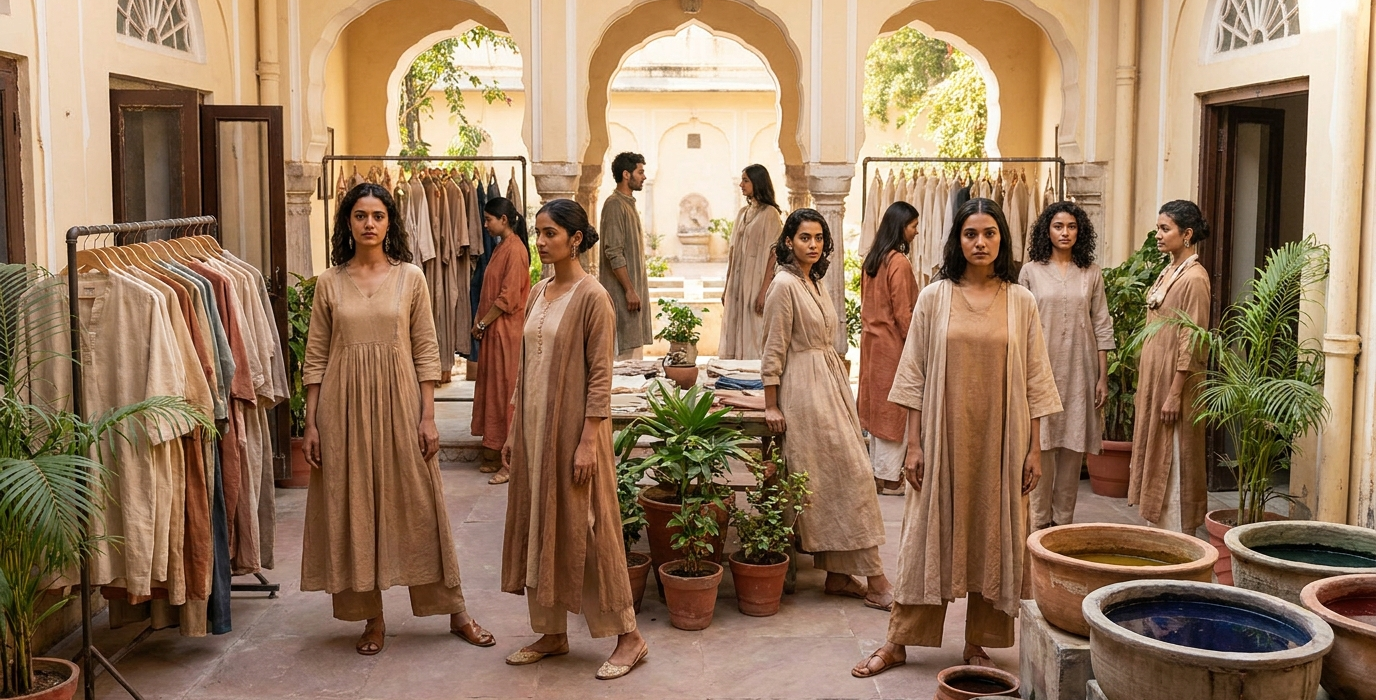
Many of these brands are also championing natural dyeing techniques. For instance, the use of indigo, derived from the indigofera plant, has a long and storied history in India. These natural dyes are biodegradable and free from harmful chemicals often found in synthetic dyes. The resulting colours are often richer and more nuanced, possessing a unique character that machine-dyeing cannot replicate. The slow, deliberate process of natural dyeing is itself a form of sustainable artistry.
Beyond Cotton: Exploring Innovative Bio-Fabrics
While cotton remains king, the Indian fashion landscape is embracing innovation with exciting new bio-fabrics. Researchers and designers are exploring materials derived from sources like bamboo, hemp, and even agricultural waste. These materials often require less water and fewer chemicals to produce than conventional textiles. Imagine clothing made from banana fibre or mushroom leather – these are not distant dreams but emerging realities in India’s sustainable fashion sector.
One such exciting development is the use of Tencel™ Lyocell, a fibre derived from wood pulp. It’s known for its softness, breathability, and biodegradability. Brands are increasingly incorporating these innovative materials to offer consumers sustainable alternatives without compromising on comfort or style. These bio-fabrics represent the future of fashion, offering a way to reduce our reliance on petroleum-based synthetics and embrace materials that are kind to the planet.
The Circular Economy: Closing the Loop in Fashion
The traditional linear model of fashion – take, make, dispose – is unsustainable. India is increasingly embracing the principles of a circular economy in fashion, aiming to keep materials in use for as long as possible. This involves designing for durability, promoting repair and reuse, and establishing effective recycling systems. The goal is to move away from a disposable mindset and towards a system where garments are valued for their longevity and can be regenerated or recycled at the end of their life.
This shift is being driven by both consumers and businesses. We’re seeing the rise of clothing rental services, resale platforms, and repair workshops. Brands are also exploring take-back programs, encouraging customers to return old garments for recycling or upcycling. These initiatives are crucial in tackling the massive textile waste problem and reducing the environmental footprint of the fashion industry. It’s a collective effort to reimagine how we consume and value clothing.
Transparency and Traceability: Empowering the Consumer
In the quest for sustainability, transparency and traceability are paramount. Consumers want to know where their clothes come from, who made them, and under what conditions. Brands that are committed to ethical practices are increasingly providing this information. This might include details about the origin of the raw materials, the manufacturing processes, and the social impact of their operations. This level of openness builds trust and empowers you to make informed purchasing decisions.
Look for brands that offer detailed information on their websites or product tags. They might share stories about their farmers, weavers, or garment workers, providing a human face to the supply chain. Some brands are even using blockchain technology to track their products from farm to hanger, offering an immutable record of their journey. This commitment to transparency is a hallmark of genuine sustainability, moving beyond mere marketing claims to tangible action.
The Future of Fashion: A Blend of Tradition and Innovation
The future of sustainable fashion in India is incredibly bright, characterized by a harmonious blend of ancient traditions and cutting-edge innovation. We’re seeing a growing appreciation for handloom weaves, natural dyes, and artisanal craftsmanship, seamlessly integrated with the development of new bio-fabrics and circular business models. This dual approach ensures that we honour our rich heritage while embracing the solutions needed for a sustainable tomorrow.
As consumers, our choices have a profound impact. By supporting brands that prioritize ethical production, environmental responsibility, and fair labour practices, we are actively contributing to a more sustainable and equitable fashion industry. The journey towards a truly sustainable wardrobe is an ongoing one, but the progress being made in India is inspiring. It proves that style, consciousness, and a commitment to the planet can indeed go hand in hand.
“The true value of a garment lies not just in its aesthetic appeal, but in the integrity of its creation and its impact on the world.”
Frequently Asked Questions
What are the key benefits of choosing sustainable fashion in India?
Choosing sustainable fashion in India offers multiple benefits: it reduces environmental pollution from harmful chemicals and waste, supports fair wages and ethical working conditions for artisans and workers, and helps preserve India’s rich textile heritage and biodiversity. You also get higher quality, longer-lasting garments.
How can I identify genuinely sustainable fashion brands in India?
Look for brands that offer transparency about their supply chain, detailing material sourcing, manufacturing processes, and labour practices. Certifications like GOTS (Global Organic Textile Standard) or Fair Trade can be indicators. Avoid brands that make vague claims; seek specific information and verifiable practices.
Are sustainable fashion options in India affordable?
While some sustainable fashion items may have a higher upfront cost due to ethical production and quality materials, many Indian brands offer a range of price points. Moreover, investing in durable, sustainably made pieces often proves more cost-effective in the long run compared to frequently replacing fast fashion items. Consider the cost-per-wear.
What is upcycling in the context of Indian fashion?
Upcycling in Indian fashion involves creatively transforming discarded or pre-loved textiles into new, higher-value garments or accessories. This can include redesigning old sarees into modern outfits, using fabric scraps for patchwork, or repurposing textile waste into unique embellishments, thereby reducing landfill waste and giving materials a second life.