Key Takeaways
- Explore high-demand rural businesses like agri-tech, eco-tourism, and artisanal food production leveraging local strengths.
- Understand the role of digital literacy and local government support in ensuring business success.
- Discover how to tap into evolving consumer preferences for sustainable and authentic products.
- Learn practical steps for funding, marketing, and scaling your village enterprise.
The Rural Renaissance: Unlocking Economic Potential in 2026
India’s villages are no longer just agricultural hubs; they are vibrant centers of innovation and entrepreneurship. In 2026, the landscape of rural business is evolving rapidly, driven by increased digital connectivity, a growing appreciation for local crafts and produce, and a strong push for sustainable development. We’re seeing a remarkable shift where traditional knowledge is meeting modern technology, creating fertile ground for new ventures.
This isn’t about simply replicating urban businesses in a rural setting. It’s about identifying unique local assets—whether it’s fertile land, unique craft traditions, or natural beauty—and transforming them into sustainable, profitable enterprises. As connectivity improves and government schemes become more accessible, the barriers to entry for aspiring entrepreneurs are steadily falling. We’ll guide you through promising avenues that can transform your village life and contribute to India’s broader economic growth.
Consider the journey of a small dairy cooperative in Haryana, which, by adopting smart farming techniques and direct-to-consumer online sales, saw its profits triple within two years. Or the weavers in Madhya Pradesh who, through a digital platform showcasing their intricate Chanderi sarees, have reached a global clientele. These stories aren’t isolated incidents; they represent a growing trend of rural empowerment and economic self-sufficiency.
Agri-Tech and Sustainable Farming: Sowing the Seeds of Profit
Agriculture remains the backbone of rural India, but the future lies in transforming it with technology and sustainability. In 2026, businesses focused on agri-tech solutions, organic farming, and value-added agricultural products are poised for significant growth. Think beyond traditional crop cultivation; consider integrated farming systems, precision agriculture, and the burgeoning market for farm-to-table produce.
For instance, the demand for pesticide-free vegetables and fruits is soaring. Setting up an organic farm, perhaps specializing in niche crops like exotic mushrooms or medicinal herbs, can be highly profitable. You can also explore setting up small-scale processing units for fruits, vegetables, or grains, creating jams, pickles, dried snacks, or flours. These products often command premium prices, especially when marketed effectively.
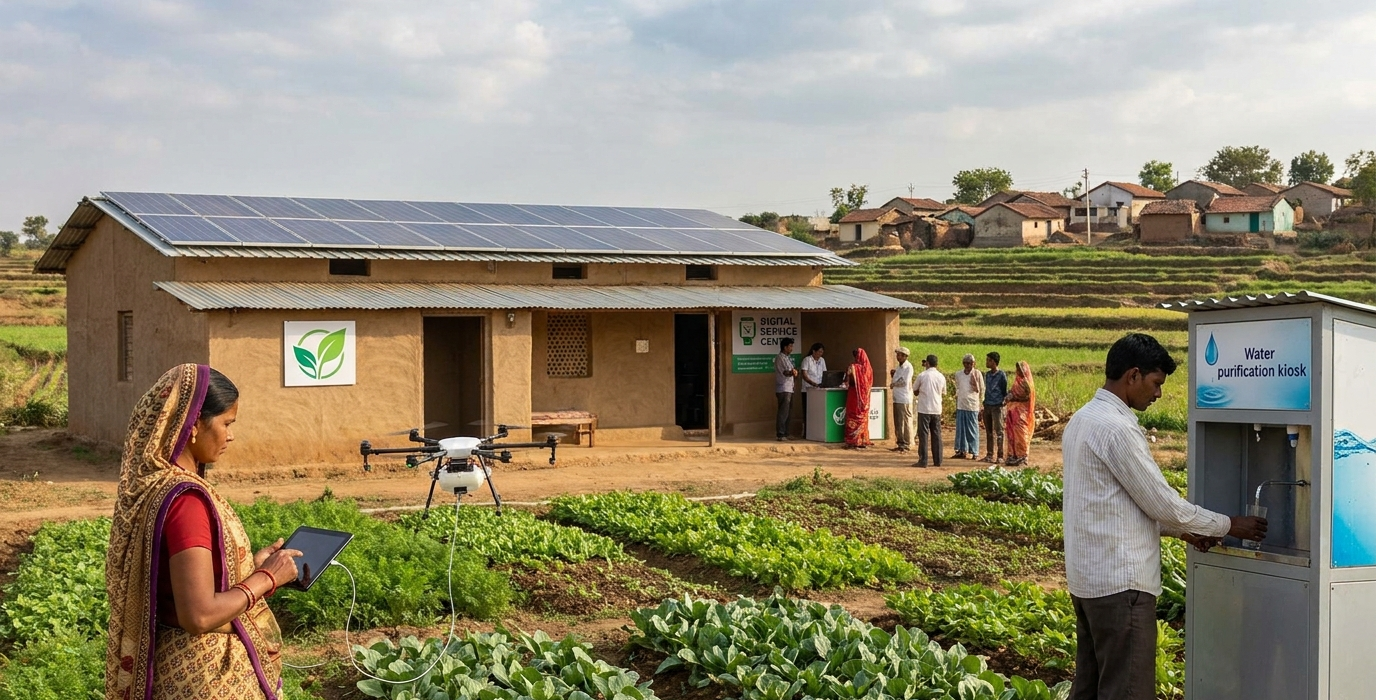
Another exciting area is the adoption of modern farming equipment and techniques. This could involve offering services like drone-based crop monitoring, soil testing, or precision irrigation solutions to fellow farmers. Providing access to advanced machinery on a rental basis can also be a viable business. Furthermore, exploring hydroponic or vertical farming in areas with limited land availability presents a futuristic opportunity.
A surprising fact: By 2026, the market for farm-to-fork traceability solutions in India is projected to grow by over 20% annually, driven by consumer demand for transparency and safety in their food. Businesses that can integrate technology to track produce from farm to plate will have a significant competitive advantage.
Eco-Tourism and Homestays: Welcoming the World to Your Village
India’s diverse landscapes, from the serene backwaters of Kerala to the majestic Himalayas in Himachal Pradesh, offer immense potential for eco-tourism. As urban dwellers increasingly seek authentic experiences and a break from city life, village-based tourism and homestays are becoming incredibly popular. This sector offers a chance to showcase local culture, traditions, and natural beauty while creating sustainable income.
Developing a homestay involves more than just offering a room. It’s about creating an immersive experience. This could include guided nature walks, participation in local festivals, learning traditional cooking, or engaging in craft workshops. Promoting your village as a destination for birdwatching, trekking, or cultural immersion can attract a steady stream of visitors.
Beyond individual homestays, consider forming village tourism collectives. These groups can pool resources to develop shared infrastructure, market the village collectively, and offer package tours. Collaborating with local artisans to offer their crafts to tourists, or with local cooks to provide authentic village cuisine, adds significant value. Local guides who can share stories and insights about the region are also crucial.
A surprising fact: In 2026, there’s a growing trend among younger travelers (Gen Z and Millennials) to seek out “slow travel” experiences, preferring longer stays in fewer destinations to truly connect with a place and its people. This bodes exceptionally well for well-managed village homestays offering authentic cultural immersion.
Artisanal Crafts and Handloom Revival: Weaving Tradition into Commerce
India is renowned for its rich heritage of handicrafts and handloom textiles. In 2026, there’s a significant and growing market for authentic, handcrafted goods, both domestically and internationally. Businesses focused on reviving and promoting these traditional arts can tap into a discerning customer base willing to pay a premium for quality and uniqueness.
This could involve supporting local artisans by providing them with modern design inputs, quality materials, or access to wider markets. You might specialize in specific crafts like pottery from Rajasthan, intricate embroidery from Gujarat, or the vibrant weaves of Assam. The key is to maintain the authenticity of the craft while adapting designs and products to contemporary tastes.
Setting up a community workshop where artisans can work together, share skills, and improve production efficiency can be highly effective. Marketing these products through online platforms, dedicated boutiques, or collaborations with fashion designers can create substantial demand. Participating in craft fairs and exhibitions, both in India and abroad, is also crucial for visibility.
Creating a brand that tells the story behind the craft—the heritage, the artisans, the materials—resonates deeply with conscious consumers. Think about how brands like Fabindia have successfully scaled this model. Focusing on sustainable sourcing and ethical production practices will further enhance the appeal of your artisanal products.
Digital Services and Skill Development: Bridging the Rural-Urban Divide
The digital revolution is rapidly reaching even the most remote corners of India. In 2026, there’s a growing need for digital services and skills training in rural areas, presenting a significant business opportunity. This can range from providing basic internet access and digital literacy training to offering specialized services leveraging technology.
Consider setting up a community digital center. This could offer services like online form filling, bill payments, printing, photocopying, and access to government portals. More importantly, it can become a hub for digital literacy training, teaching villagers essential skills like using smartphones, email, and online banking. This empowers them and makes them more resilient.
Another avenue is offering digital marketing services to local businesses, helping them establish an online presence through social media, local listings, and simple websites. For those with technical skills, offering IT support, mobile repair services, or even basic website development can be profitable. The demand for skilled individuals who can bridge the digital divide is immense.
Furthermore, consider specialized training in areas like e-commerce management, digital content creation, or online customer service. These skills can open up new employment opportunities for rural youth, both within their villages and remotely. By equipping individuals with these modern skills, you’re not just building a business; you’re fostering a more digitally empowered rural community.
Value-Added Food Processing and Packaging: From Farm to Shelf
Transforming raw agricultural produce into higher-value processed goods offers substantial profit margins and extends the shelf life of products. In 2026, with increased consumer awareness about health, hygiene, and convenience, businesses focused on value-added food processing and professional packaging are in high demand.
This can encompass a wide range of products. For example, setting up a small unit to process local fruits into juices, jams, or dried snacks. Similarly, processing locally grown grains into flours, semolina, or ready-to-cook mixes can be very successful. Think about specialized products like spice blends unique to your region, or traditional sweets and savories prepared with modern hygiene standards.
The packaging aspect is crucial. Investing in attractive, food-grade packaging not only preserves the product but also enhances its market appeal. Offering contract packaging services to other small food producers in your vicinity can also be a complementary business. This involves providing labeling, sealing, and attractive outer packaging solutions.
Collaborating with local farmers to ensure a consistent supply of quality raw materials is key. You can also explore tie-ups with local retailers, supermarkets, and even online grocery platforms. Focusing on organic certification or geographical indication (GI) tags for regional specialties can add significant value and marketability to your products.
Renewable Energy Solutions: Powering Progress Sustainably
Access to reliable and affordable energy is fundamental for any business and for improving the quality of life in rural areas. In 2026, the demand for renewable energy solutions is surging, driven by government initiatives and increasing environmental consciousness. Businesses focused on solar power, biogas, and other sustainable energy technologies are well-positioned for success.
One significant opportunity lies in installing and maintaining solar panels for homes, farms, and small businesses. This could involve setting up rooftop solar systems for electricity generation or solar water heaters. The decreasing cost of solar technology and government subsidies make this an increasingly attractive investment. You could also specialize in providing solar-powered irrigation pumps, a game-changer for farmers.
Biogas plants offer another excellent avenue, particularly in areas with significant livestock populations. By converting animal waste into cooking gas and organic fertilizer, these plants provide a clean energy source and valuable manure for farms. Offering installation and maintenance services for biogas plants can be a lucrative business.
Beyond installation, consider offering energy audits for rural businesses to help them identify opportunities for energy efficiency and cost savings. Educating communities about the benefits of renewable energy and helping them access available subsidies and financing schemes is also a valuable service. As India transitions towards a greener economy, businesses in the renewable energy sector will be at the forefront of this transformation.
Frequently Asked Questions
What are the biggest challenges for village businesses in 2026?
Key challenges include ensuring consistent access to capital and credit, improving digital literacy and infrastructure, navigating complex government regulations, and competing with established urban markets. However, these are increasingly being addressed through targeted government schemes and technological advancements.
How can I fund my village business idea?
Explore options like government schemes such as the Pradhan Mantri Mudra Yojana, Startup India, and various state-level entrepreneurship development programs. Local banks, microfinance institutions, and impact investors are also potential sources of funding. Crowdfunding platforms can also be explored for specific projects.
How important is digital marketing for village businesses?
Extremely important. In 2026, a strong online presence is crucial for reaching wider markets, connecting with customers, and building brand awareness. Even basic social media marketing and local online listings can significantly boost visibility and sales for village enterprises.
Can I start a business with minimal investment in a village?
Yes. Many successful village businesses start small and scale up. Focusing on service-based businesses, leveraging existing skills, or starting with low-overhead ventures like local food delivery, tailoring, or tutoring can be excellent starting points with minimal initial investment.
What role do local government and NGOs play?
Local government bodies and NGOs are vital for providing support, training, and access to resources. They often facilitate government schemes, offer workshops on business management, connect entrepreneurs with mentors, and help navigate regulatory processes, significantly easing the journey for new businesses.