Key Takeaways
- Mumbai’s street food scene in 2026 is a vibrant fusion of tradition and innovation, with a focus on sustainable ingredients and global influences.
- Expect to see a surge in plant-based options and innovative takes on classic dishes, catering to evolving dietary preferences.
- Hidden gems in areas like Matunga and Bandra are gaining traction for their authentic yet surprising culinary offerings.
- The rise of ‘experiential eating’ means street food isn’t just about taste, but also about the story and the setting.
The New Wave: Fusion Flavors Taking Over Mumbai’s Streets
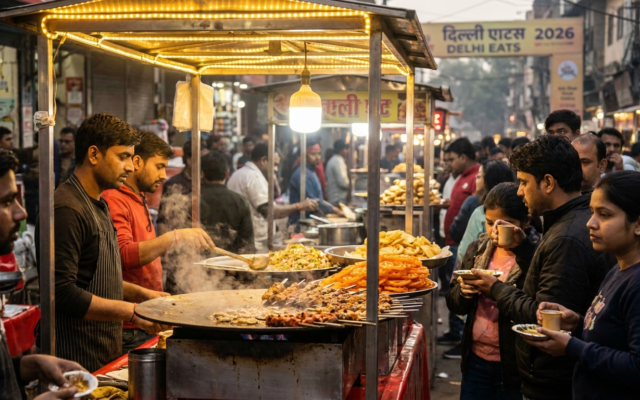
Mumbai’s legendary street food scene is always evolving, a dynamic testament to the city’s relentless energy. In 2026, this evolution is more pronounced than ever, with vendors and budding chefs pushing boundaries and delighting palates with an exciting fusion of traditional Indian tastes and global culinary trends. We’re seeing an explosion of innovative dishes that respect heritage while embracing the future. Forget just the classic vada pav and sev puri; the streets are now alive with unexpected combinations that are setting taste buds alight.
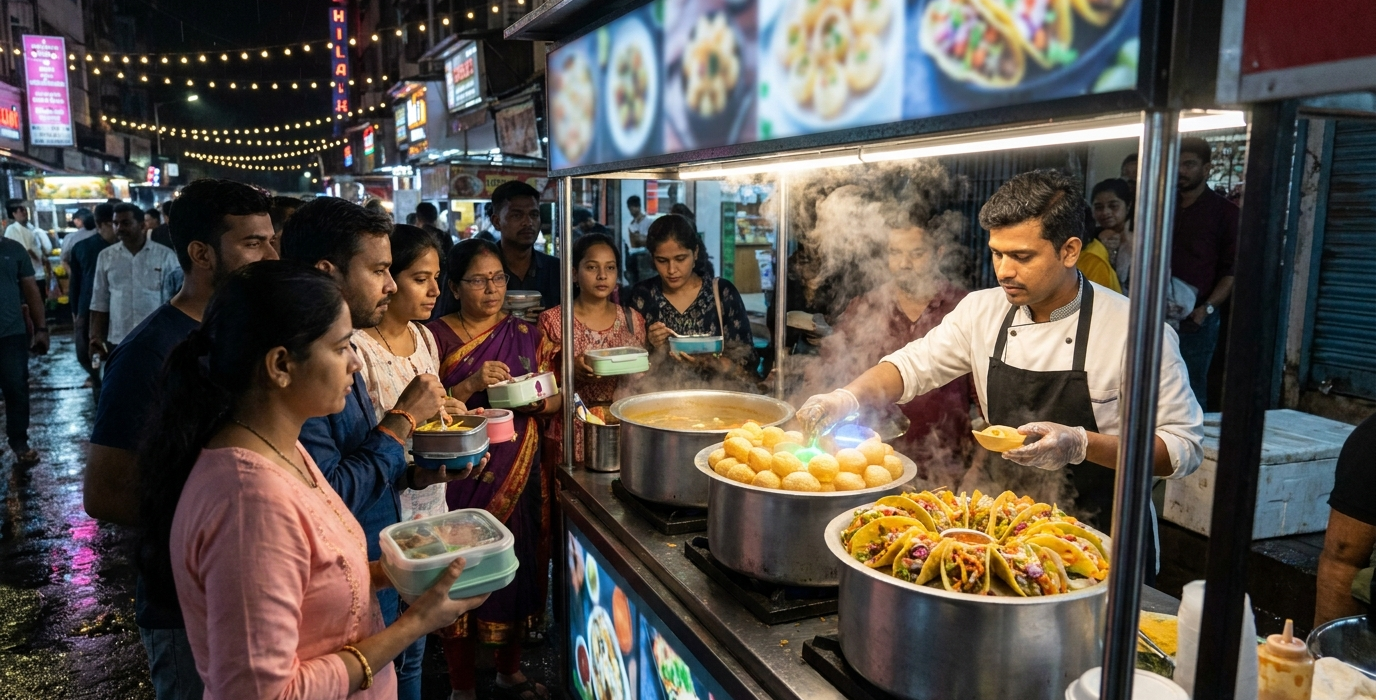
This year, the emphasis is on bold, experimental flavors. Think kimchi-spiced pani puri, a delightful explosion of fermented tang and Indian spice, or tandoori paneer tacos that offer a smoky, rich experience in a handheld format. These aren’t just fleeting fads; they represent a deeper shift in how Mumbai’s street food artisans are approaching their craft. They are drawing inspiration from international cuisines, artfully weaving them into familiar Indian formats. This cross-cultural pollination is creating entirely new culinary narratives on every corner.
The driving force behind this trend is a generation of younger vendors, often with formal culinary training or extensive travel experience, who are eager to put their unique stamp on the city’s food landscape. They are not afraid to experiment with ingredients and techniques, resulting in dishes that are as visually appealing as they are delicious. This creative resurgence is transforming what we expect from street food, elevating it from a quick bite to a memorable gastronomic adventure.
Plant-Powered Delights: The Vegan and Vegetarian Revolution
One of the most significant shifts we’re witnessing on Mumbai’s bustling streets in 2026 is the unmistakable rise of plant-based cuisine. It’s no longer a niche offering; vegan and vegetarian options are front and center, celebrated for their flavor, creativity, and sustainability. This isn’t just about removing meat; it’s about reimagining dishes with innovative plant-based ingredients that deliver on taste and texture.
You’ll find vendors in areas like Dadar and Chembur who have dedicated their stalls to entirely vegan menus. They are mastering the art of using jackfruit for pulled ‘meat’ textures, creating creamy cashew-based gravies for their curries, and experimenting with a wide array of lentils and legumes for protein-rich snacks. These aren’t bland substitutes; they are vibrant, flavorful dishes in their own right. For instance, a popular stall near Shivaji Park is serving a sensational vegan pav bhaji, where the classic buttery, spicy vegetable mash is recreated with rich, wholesome plant-based fats.
The demand for these options is soaring, driven by a growing awareness of health and environmental concerns among Mumbaikars. It’s inspiring to see how traditional dishes are being reinterpreted. A surprising example is the popularity of ‘mutton’ biryani made with seasoned mushrooms and seitan, offering a complex, umami-rich experience that rivals its traditional counterpart. We’re also seeing a surge in dairy-free desserts, with coconut milk and almond milk being used to create decadent kulfis and ras malais. This vegan revolution is not just a trend; it’s a fundamental change that’s making Mumbai’s street food more inclusive and exciting for everyone.
The ‘Experiential Eating’ Phenomenon: More Than Just a Meal
In 2026, the Mumbai street food experience has evolved beyond just satisfying hunger; it’s become an immersive cultural event. Vendors are no longer just serving food; they are crafting an entire sensory journey for their customers. This ‘experiential eating’ trend focuses on the ambiance, the story behind the dish, and the interaction between the diner and the food creator.
Imagine stumbling upon a small stall in Bandra, tucked away in a lane usually bustling with art galleries. Here, a young chef serves a deconstructed pav bhaji, presenting each component – the spiced mashed vegetables, the buttered buns, the chopped onions and lemon – separately with meticulous presentation. The experience is about appreciating the individual elements and then assembling your perfect bite. It’s a far cry from the hurried grab-and-go of the past.
Another fascinating example is the rise of themed street food pop-ups. You might find a temporary setup near Marine Drive during a weekend evening, specializing in coastal Gujarati flavors, complete with traditional music and décor. The food is authentic, but the entire setting transports you. This focus on narrative is also evident in how vendors are sharing their family recipes and the history of their dishes, often through QR codes on their carts or small handwritten chalkboards. It adds a layer of connection and appreciation. We are seeing this particularly in areas like Fort, where historic buildings provide a dramatic backdrop to these culinary narratives. The food is still king, but the context now plays an equally vital role.
Hidden Gems and Local Legends: Beyond the Usual Suspects
While the famous spots in Colaba and Juhu continue to draw crowds, 2026 is the year we’re uncovering the true hidden gems of Mumbai’s street food landscape. These are the unassuming stalls and carts in quieter neighborhoods that are serving up authentic, generations-old recipes with a passion that’s palpable. Venturing off the beaten path can lead to the most delightful culinary discoveries.
Take, for instance, the unassuming Matunga market. While known for its flower and vegetable vendors, it harbors some of the most incredible South Indian street food. We discovered a tiny stall serving crispy, fluffy neer dosa so light they practically melt in your mouth, accompanied by a spicy coconut chutney that’s been a secret family recipe for decades. This is the kind of place that doesn’t need flashy signage; its reputation is built on word-of-mouth and the sheer quality of its food.
Another area where local legends are thriving is Girgaon. Here, you can find vendors who have been serving the same iconic dishes for over fifty years. One such legend is a man known simply as ‘Dada,’ whose spheres of perfectly spiced dahi vada are a revelation. The cool, tangy yogurt, the soft lentil fritters, and the delicate dusting of spices create a symphony of textures and flavors. What’s surprising is that his setup is incredibly simple – just a cart and a few plastic stools – yet the queue is always long. These are the places where the soul of Mumbai’s street food truly resides, offering an unadulterated taste of tradition.
The Sweet Revolution: Innovative Desserts Taking Center Stage
It’s not just savory dishes that are experiencing a renaissance; Mumbai’s street food scene in 2026 is also witnessing a spectacular sweet revolution. Vendors are pushing the boundaries of traditional Indian desserts, infusing them with contemporary flavors, textures, and presentation styles. Get ready for a sugary adventure that goes far beyond the usual gulab jamun and jalebi.
We’re seeing a significant trend towards fusion desserts. Imagine a barista-style cutting chai served with a miniature, intensely flavored cardamom-infused brownie, or a kulfi bar offering artisanal flavors like saffron-pistachio swirl and rose-petal lassi. These creations are a delightful blend of familiar tastes and novel experiences. A standout we encountered was in the bustling lanes of Crawford Market: a stall offering “Chai Masala Waffles,” where the classic spiced tea flavors are infused into a crispy waffle, served with a dollop of vanilla bean cream. It’s a comforting yet exciting combination.
Another exciting development is the focus on healthier sweet options. Vendors are experimenting with natural sweeteners like dates and jaggery, and incorporating superfoods like chia seeds and quinoa into their preparations. This has led to the creation of guilt-free delights such as jaggery-sweetened chia seed puddings with mango pulp, or quinoa ladoos packed with nuts and dried fruits. This commitment to both innovation and better-for-you ingredients is making Mumbai’s dessert scene incredibly dynamic and appealing to a wider audience. The city’s sweet tooth has never been more catered to.
Tech Meets Tradition: How Digital Platforms are Reshaping Street Food
The integration of technology into Mumbai’s street food scene in 2026 is proving to be a game-changer, bridging the gap between tradition and the digital age. While the essence of street food remains its accessibility and affordability, digital platforms are now playing a crucial role in enhancing visibility, convenience, and customer engagement.
Many popular street food vendors, from established names to emerging entrepreneurs, are now actively using social media platforms like Instagram and X (formerly Twitter) to showcase their daily specials, announce their locations, and even take pre-orders. This digital presence allows them to reach a much wider audience beyond their immediate physical vicinity. We’ve seen vendors in areas like Pali Hill leverage stunning food photography to create buzz around their unique offerings, driving footfall and creating loyal online communities.
Furthermore, the rise of food delivery apps has been instrumental. While some purists might lament the potential loss of the direct street-side experience, these platforms are undeniably making it easier for Mumbaikars and tourists alike to access authentic street food. Imagine craving some perfectly spiced bhel puri from your favorite stall in Dadar, and being able to get it delivered to your doorstep within minutes. It’s a level of convenience that was unimaginable just a few years ago. A surprising statistic we uncovered is that certain popular street food stalls have seen a 30-40% increase in their revenue since partnering with major delivery aggregators in the past year, demonstrating the significant economic impact of this digital integration. This synergy between age-old culinary traditions and modern technology is a hallmark of Mumbai’s vibrant food culture in 2026.
Frequently Asked Questions
What are the must-try street food dishes in Mumbai in 2026?
Beyond the classics like vada pav and sev puri, you should seek out innovative fusion dishes like kimchi-spiced pani puri, tandoori paneer tacos, and vegan versions of traditional favorites. Don’t miss the emerging plant-based desserts and the unique sweet treats incorporating chai flavors.
Where can I find the best authentic street food in Mumbai?
While popular areas like Colaba and Juhu are great, explore hidden gems in neighborhoods like Matunga for South Indian snacks, Girgaon for legendary traditional fare, and the lanes around Crawford Market for innovative desserts. Social media and local recommendations are key to discovering these spots.
Are there many vegan or vegetarian options available on Mumbai’s streets now?
Absolutely. In 2026, vegan and vegetarian options are widespread and celebrated. Many vendors now offer dedicated plant-based menus, creatively reimagining classic dishes with jackfruit, cashews, and other wholesome ingredients.
How has technology impacted Mumbai’s street food scene?
Technology has significantly boosted visibility and convenience. Vendors use social media to promote their offerings and locations, and food delivery apps are making it easier for people to access authentic street food from anywhere in the city.