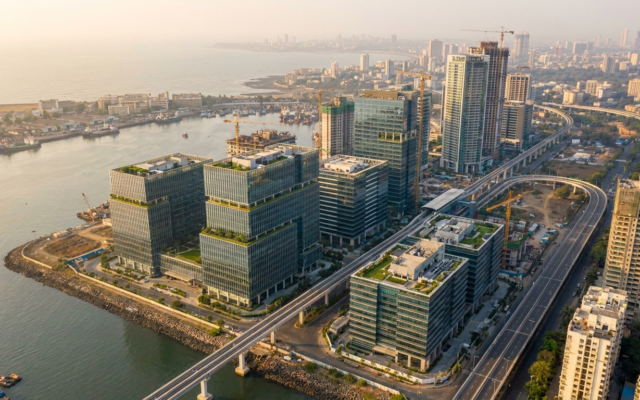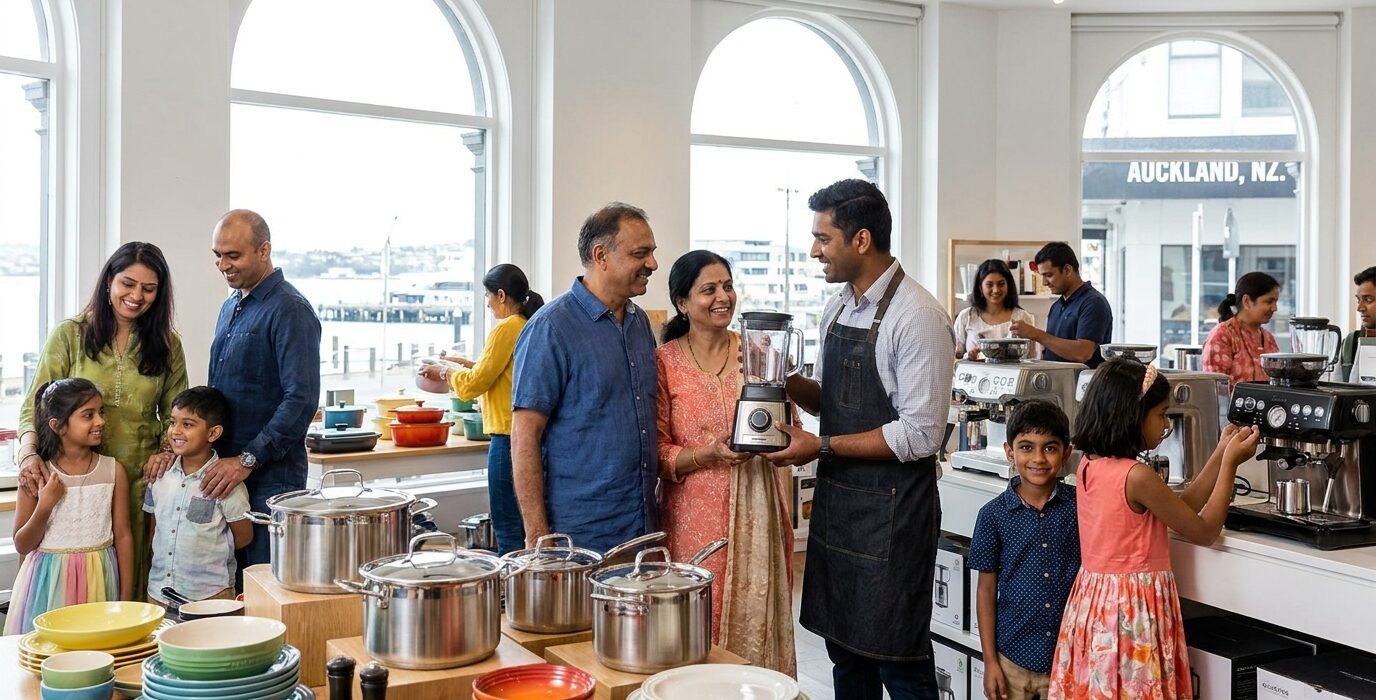
The quiet hum of a million refrigerators turning on for the first time. The bright glint of a smartphone screen illuminating a family’s eager faces. These are the subtle signals of India’s massive economic transformation. It’s a shift reshaping not just Asia, but quietly rippling across the globe. For a nation like New Zealand, known for its pristine landscapes and unique agricultural products, this seismic change in India presents both a tantalizing opportunity and a complex challenge. We’re talking about a burgeoning middle class, millions strong. They have growing disposable incomes and a keen appetite for experiences and quality goods. What does this mean for the Kiwis down south?
Key Takeaways:
- India’s growing middle class represents a significant, untapped market for New Zealand tourism.
- Expectations for luxury, unique experiences, and adventure are rising among Indian travellers.
- New Zealand exporters can tap into this market by understanding cultural nuances and adapting product offerings.
- The demand for dairy, wine, and specialized agricultural products from India is set to increase.
- Challenges include logistical hurdles, competitive pricing, and building brand awareness in a vast market.
The Wanderlust of a Billion Aspirations
Imagine the sheer scale. India’s middle class, often described as aspirational, isn’t just growing; it’s exploding. Official figures suggest it could encompass over half a billion people in the coming decade. This isn’t merely a number. It’s a collective awakening of desires, dreams, and the financial capacity to pursue them. For decades, international travel for many Indians was a distant dream, reserved for the elite. Now, it’s becoming a tangible goal. This shift has profound implications for global tourism. New Zealand, with its breathtaking fjords and unique wildlife, is poised to capture a slice of this immense wanderlust.
Consider the motivations. It’s not just about ticking off a destination. Indian travellers are increasingly seeking authentic, immersive experiences. They want to connect with nature. They want to explore vibrant cultures. They want to indulge in activities offering adventure and rejuvenation. Think about the millions of young professionals in cities like Bangalore and Mumbai. They are well-travelled within India but crave something distinctly different. They are looking for places offering peace. They seek stunning natural beauty. They want a break from the frenetic pace of urban Indian life. New Zealand’s famed landscapes – the dramatic peaks of the Southern Alps, the tranquil waters of Milford Sound, the geothermal wonders of Rotorua – are precisely the kind of awe-inspiring backdrops that resonate with this desire for escape and wonder. The rise of social media further fuels this. Aspirational images of faraway lands inspire more and more Indians to plan their own epic journeys. This burgeoning desire for new horizons is a powerful economic engine. For tourism operators in Queenstown and beyond, it represents a vital new frontier.
New Zealand’s commitment to conservation, evident in initiatives like the Department of Conservation’s vast network of national parks and protected areas, offers a compelling narrative for eco-conscious Indian travellers. The chance to witness native species like the kiwi bird in its natural habitat, or hike through ancient beech forests, holds significant appeal.
From Curries to Cabernet: A Taste for Kiwi Produce
The impact of India’s expanding middle class isn’t confined to flight bookings and hotel stays. It’s also about what’s on the dinner table. As incomes rise, so too does the demand for higher quality, often imported, food and beverages. New Zealand, renowned for its premium dairy products, world-class wines, and ethically produced meats, is exceptionally well-positioned to cater to these evolving tastes. Think of the iconic New Zealand butter or milk powder – products already gaining traction in various Asian markets. Now, imagine that demand amplified by hundreds of millions of new consumers with greater purchasing power.
This isn’t just about basic sustenance. Indian consumers are becoming more discerning. They are increasingly interested in the origin of their food. They care about its nutritional value. They value its ethical production. This plays directly into New Zealand’s strengths. The “clean and green” image isn’t just a marketing slogan. It’s a tangible reality that resonates with a segment of the Indian population. These consumers are willing to pay a premium for assurances of quality and safety. Consider the wine industry. While traditionally, Indian palates have leaned towards sweeter wines, there’s a growing appreciation for dry, complex varieties. Sauvignon Blanc and Pinot Noir are New Zealand specialties. Exporters in the Marlborough region are already seeing an uptick in inquiries. Indian importers are looking to diversify their portfolios. They want to offer something sophisticated to their increasingly affluent clientele. The challenge, of course, lies in navigating the complexities of the Indian market. Stringent import regulations are one hurdle. Building brand loyalty in a highly competitive environment is another. Yet, the potential rewards are immense for those who can successfully bridge the gap.
The increasing popularity of health and wellness trends in India also presents an opportunity for New Zealand’s dairy sector. Beyond butter and milk powder, there’s a growing demand for functional foods and ingredients, such as specialized whey proteins or probiotics, which New Zealand manufacturers are well-equipped to supply.
The Challenge of the Long Haul: Logistics and Understanding
Navigating the Indian market is not for the faint of heart. While the opportunities are vast, the logistical and cultural hurdles are significant. New Zealand, a nation of just under five million people, is geographically distant from India, a subcontinent of over a billion. This distance translates into higher shipping costs for goods. It means longer travel times for tourists. For exporters, this means carefully considering supply chain efficiencies. It may also mean exploring partnerships with Indian distributors who understand the local landscape. The sheer size of India also presents a challenge. A strategy that works in Mumbai might not be effective in Kolkata. Understanding the regional nuances, consumer preferences, and distribution networks is crucial.
For tourism operators, the challenge is equally complex. While the allure of New Zealand is strong, making it accessible and appealing requires more than just beautiful brochures. It means understanding the diverse needs of Indian travellers. This includes catering to specific dietary requirements. Many Indians are vegetarian. Some avoid certain ingredients due to religious beliefs. Providing multi-lingual support is essential. Offering package tours that cater to family travel and cultural sensitivities is vital. The average Indian tourist group often includes multiple generations. Accommodation and activity planning needs to take this into account. Furthermore, building brand awareness in a market as vast and diverse as India requires a sustained and strategic effort. It’s not enough to simply list New Zealand as a destination. Tour operators and tourism bodies need to actively engage with potential travellers. Targeted marketing campaigns are key. Participation in travel expos is important. Leveraging digital platforms that reach Indian consumers directly is crucial. Building trust and familiarity takes time. The rewards of capturing even a small percentage of this massive market are substantial. The success of Air New Zealand’s direct flights to Mumbai, when they were operational, highlighted the latent demand.
A key logistical consideration for New Zealand exporters is the ongoing development of India’s infrastructure, particularly its cold chain logistics. While improving, it can still be a bottleneck for perishable goods, requiring careful planning and potentially investment in specialized transport solutions to ensure product integrity upon arrival.
Beyond the Obvious: Counter-Intuitive Trends in Demand
What might surprise many is the nuanced nature of demand emerging from India’s middle class. It’s not a monolithic bloc seeking the same things. While luxury and unique experiences are certainly on the rise, there’s also a growing segment that values practicality and value for money, particularly when it comes to everyday goods. For instance, in the dairy sector, while premium butter might appeal to a niche market, the demand for affordable, high-quality milk powder for household consumption could be far larger. Similarly, for wine, while a discerning few might seek out expensive vintages, a broader market might be open to more accessible, yet still quality-driven, New Zealand wines.
Another counter-intuitive trend is the increasing interest in education and skilled migration. As India’s economy grows, so does the emphasis on world-class education and opportunities for professional development. New Zealand universities and polytechnics, known for their quality of education and safe environment, are already a draw for some Indian students. However, as the middle class expands, the pool of families who can afford international education, even with scholarships or loans, grows significantly. This isn’t just about academic pursuits. It’s also about acquiring skills that are in demand globally. It’s about potentially seeking pathways to work and live abroad. This represents an opportunity for New Zealand to position itself not just as a tourist destination but as a hub for learning and personal growth. The demand is not simply for a holiday but for an investment in the future. This requires a sophisticated understanding of the Indian education system. It demands an understanding of the aspirations of its upwardly mobile youth.
The rise of remote work and digital nomadism, accelerated by the pandemic, also presents a new avenue for New Zealand’s tourism sector. Indian professionals seeking a change of scenery or a more focused work environment might consider longer stays in New Zealand, drawn by its natural beauty and perceived quality of life. This requires tailored accommodation and connectivity solutions.
Expert Voices: Navigating the Indian Opportunity
We spoke with Dr. Anya Sharma, a prominent India-based market analyst specializing in consumer trends, who offered a pragmatic view. “The Indian middle class is not a single entity,” she explained. “It’s a spectrum. You have the emerging middle class, who are highly price-sensitive and driven by aspirational brands. Then you have the established middle class, who have more disposable income. They are looking for quality, exclusivity, and unique experiences. For New Zealand, the key is to identify which segment they are targeting. They must tailor their approach accordingly. For tourism, this means creating diverse offerings – from budget-friendly adventure packages to ultra-luxury retreats. For exports, it means understanding the price elasticity of demand for different products.”
Dr. Sharma also highlighted the importance of digital engagement. “The internet and smartphones are ubiquitous in India,” she stated. “Any business looking to tap into this market must have a strong online presence. This includes e-commerce capabilities. It requires engaging social media content. It demands responsive customer service in local languages. Building trust is paramount. That often starts with a compelling online narrative. Don’t underestimate the power of influencers and word-of-mouth, both online and offline.” She pointed to the success of certain South Korean cosmetic brands. They leveraged social media and K-drama popularity to create massive demand in India. This suggests that for New Zealand, showcasing its unique lifestyle and natural beauty through compelling storytelling could be far more effective than traditional advertising alone. The rise of platforms like Instagram and YouTube means that visually rich content about New Zealand’s landscapes and activities can reach millions of eager eyes.
A crucial element for building trust, as highlighted by Dr. Sharma, is understanding India’s diverse linguistic landscape. While English is widely spoken in business circles, marketing and customer service in regional languages like Hindi, Tamil, or Bengali can significantly enhance reach and connection with a broader segment of the middle class.
The Enduring Allure: A Symbiotic Future
The growing Indian middle class represents a pivotal moment for New Zealand. It’s an opportunity to diversify its economic base. It’s a chance to attract new visitors. It’s a way to expand its export markets beyond traditional partners. The journey won’t be without its challenges. From the logistical complexities of distance to the cultural nuances of a vast and diverse population, these are significant. Yet, the underlying drivers of demand – the yearning for new experiences, the appreciation for quality, and the pursuit of self-improvement – are powerful and enduring.
New Zealand’s unique proposition, its pristine environment, its adventure tourism, and its high-quality produce, aligns remarkably well with the evolving aspirations of India’s burgeoning consumer base. The key lies in strategic engagement. It requires a willingness to adapt. It demands a deep understanding of the Indian consumer. As millions more Indians ascend into the middle class, the allure of a faraway land of dramatic landscapes and pristine nature will only grow. This isn’t just about trade figures. It’s about building connections. It’s about fostering understanding. It’s about creating a symbiotic relationship that benefits both nations. The future, for those willing to invest the effort, looks remarkably bright.