Key Takeaways
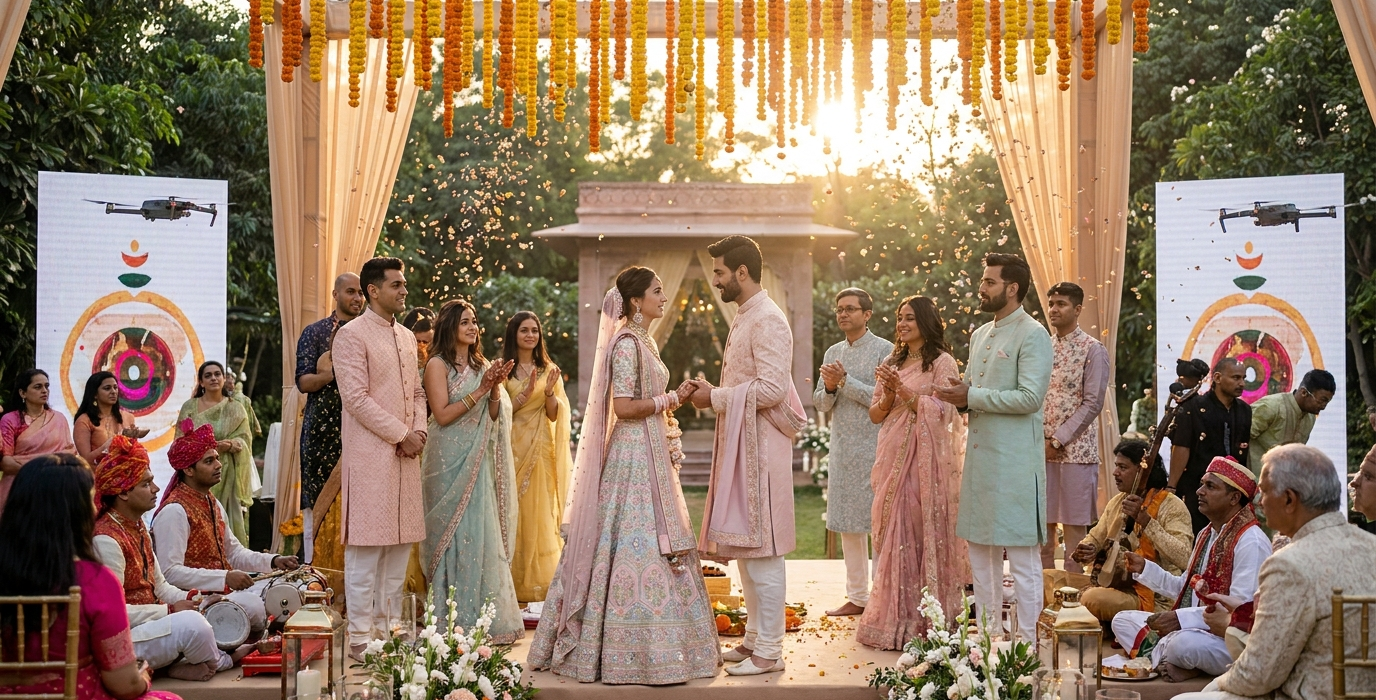
- The rise of eco-conscious weddings: Expect more sustainable décor, local sourcing, and mindful gifting in 2027.
- Digital integration becomes seamless: From AI-powered guest management to augmented reality experiences, technology is enhancing every wedding aspect.
- Personalisation is paramount: Couples are weaving unique narratives into their ceremonies, from bespoke vows to culturally infused fusion themes.
- The ‘Micro-Experience’ trend: Smaller, more intimate gatherings are gaining traction, focusing on high-quality, memorable moments for close guests.
The Dawn of the Eco-Conscious “Shaadi”
As we look towards 2027, a significant shift is palpable in the Indian wedding landscape: the enthusiastic embrace of sustainability. Couples are increasingly aware of their environmental footprint and are actively seeking ways to celebrate their union responsibly. This isn’t just a fleeting trend; it’s a conscious movement towards a more mindful approach to ‘shaadi’ planning. Think décor that breathes life back into nature, not just for a day, but for the long haul.
We’re seeing a surge in the use of reusable and biodegradable materials. This includes everything from fabric backdrops made from organic cotton or jute to floral arrangements featuring native, seasonal blooms that require less water and transportation. Many couples are opting for potted plants as return gifts, allowing guests to take home a piece of nature that continues to grow. Even the food menus are reflecting this ethos, with a strong emphasis on farm-to-table concepts and locally sourced ingredients, reducing food miles and supporting regional farmers.
“The most beautiful weddings of 2027 will be those that tell a story of love, not just between two people, but also with the planet.”
Advertisement300×250 / native
This eco-conscious wave extends to gifting as well. Instead of traditional, often excess, material gifts, guests are being encouraged to contribute to charitable causes or plant trees in the couple’s name. This thoughtful approach not only minimises waste but also imbues the celebration with a deeper sense of purpose. Furthermore, venues are being chosen with sustainability in mind, favouring locations that utilise solar power or have robust waste management systems. This commitment to green practices is not about sacrificing style; it’s about redefining it with elegance and ecological integrity.
AI and Augmented Reality: Your Wedding’s Digital Dream Team
The wedding of 2027 is undeniably a digitally enhanced affair, moving far beyond simple e-invites. Artificial intelligence (AI) and augmented reality (AR) are no longer futuristic concepts; they are becoming integral tools for creating seamless, personalised, and utterly unforgettable wedding experiences. Couples are leveraging technology to streamline planning, engage guests, and add a touch of magic to their celebrations.
Imagine an AI-powered wedding planner that learns your preferences, budgets, and guest list to suggest vendors, manage RSVPs with uncanny accuracy, and even predict potential logistical hiccups. This is becoming a reality for many couples, freeing them from some of the more tedious aspects of planning. On the day itself, AR is set to revolutionise guest interaction. Think interactive seating charts that come to life on guests’ phones, revealing personalised messages or fun facts about the couple.
For the more adventurous, AR filters can be designed to overlay whimsical elements onto real-time photos and videos, turning candid moments into shareable digital art. We’re also seeing a rise in virtual wedding experiences, offering high-definition live streams with interactive elements for guests who cannot attend in person. This ensures that no loved one is truly left out of the celebration. The goal is to enhance, not replace, the human connection, making the wedding accessible and engaging for everyone, no matter where they are.
The Art of Personalisation: Weaving Your Unique Story
In 2027, the quintessential Indian wedding is a vibrant tapestry woven with the couple’s unique story, blending tradition with deeply personal touches. Gone are the days of one-size-fits-all ceremonies. Today’s couples are actively seeking ways to infuse their personalities, values, and shared history into every aspect of their celebration, making it authentically theirs. This drive for personalisation is transforming the wedding from a pre-set event into a curated narrative.
This manifests in countless ways, from the vows exchanged to the music played and the themes explored. We’re seeing a significant trend towards bespoke wedding ceremonies, where couples co-create their rituals, incorporating elements that resonate with their spiritual beliefs, cultural backgrounds, or even their favourite literary works. This might involve incorporating a family heirloom into the ‘pheras’ or having a close friend officiate a portion of the ceremony. The focus is on authenticity and emotional resonance, creating moments that are truly moving.
Cultural fusion is also reaching new heights of creativity. Couples are boldly blending traditions from different regions of India, or even different countries, to create a harmonious and unique celebration. This could mean a Mehendi ceremony with Rajasthani folk dancers and a Punjabi dhol, or a Sangeet night that features a classical Carnatic performance followed by a Bollywood dance-off. The key is to do this thoughtfully, ensuring that each element is respected and integrated with intention. This approach not only celebrates diversity but also creates a richer, more layered experience for everyone involved, showcasing the beautiful mosaic of Indian culture.
The Rise of the “Micro-Experience” Wedding
While grand, elaborate celebrations will always hold a special place, 2027 is witnessing a significant and growing trend towards “micro-experience” weddings. These are intimate gatherings, often with a guest list of under 100 people, that prioritise quality over quantity. The focus shifts from a large spectacle to creating deeply meaningful and memorable moments for the couple and their closest loved ones. This allows for a more personal, relaxed, and budget-friendly celebration.
Couples opting for this style are often looking to invest more in the guest experience. This means exceptional catering with bespoke menus, top-tier entertainment that truly resonates with the couple, and thoughtful, high-quality return gifts. Instead of spreading the budget thinly across hundreds of guests, the resources are concentrated on making the experience exceptional for those who are truly an integral part of the couple’s lives. This often translates to longer, more leisurely celebrations, allowing ample time for heartfelt conversations and genuine connections.
The venue choice for micro-experience weddings is also diverse. While elegant banquet halls are still an option, we’re seeing an increasing number of couples choosing unique and intimate settings. This could be a heritage villa in Rajasthan, a serene beach resort in Goa, or even a picturesque vineyard in Nashik. The aim is to create an atmosphere that fosters a sense of togetherness and exclusivity. This trend is not about “downgrading” a wedding; it’s about “upgrading” the intimacy and personal significance of the celebration, making it a truly cherished memory for everyone present.
The Culinary Canvas: Flavours That Tell a Story
The food at an Indian wedding has always been central to the celebration, but in 2027, it’s evolving into a sophisticated culinary canvas that tells a story. Couples are moving beyond predictable buffet spreads to curate gastronomic journeys that reflect their heritage, travels, and personal tastes. This shift signifies a growing appreciation for artisanal food, regional specialities, and an immersive dining experience.
We’re seeing a significant rise in live food stations that offer interactive culinary experiences. Imagine a station dedicated to authentic Hyderabadi biryani being prepared fresh, or a live pasta bar with a variety of sauces and toppings. This adds an element of entertainment and allows guests to customise their meals. Beyond this, there’s a burgeoning interest in heritage cuisine, with couples actively seeking out forgotten recipes and traditional cooking methods from various Indian states. This could involve reviving recipes from their ancestral villages or showcasing lesser-known regional delicacies.
The emphasis is also on quality and presentation. Couples are working with chefs to design menus that are not only delicious but also visually stunning. This includes incorporating edible flowers, intricate garnishes, and unique serving ware. Furthermore, the “farm-to-fork” movement is strongly influencing wedding catering. Expect menus that highlight seasonal produce, sustainable sourcing, and a focus on organic ingredients. This conscious approach to food not only appeals to the palate but also aligns with the growing eco-conscious ethos of modern weddings.
Unconventional Venues and Experiential Decor
As couples seek to make their 2027 weddings stand out, the choice of venue and the approach to décor are becoming increasingly unconventional and experiential. The traditional banquet hall is giving way to spaces that offer character, charm, and a unique backdrop for the celebration. This desire for distinctiveness is driving innovation in both physical locations and decorative elements.
Forget sprawling lawns and predictable floral arches. We’re now seeing weddings taking place in art galleries in Mumbai, transformed libraries in Kolkata, or even abandoned forts that have been meticulously restored for special events. These venues offer a built-in narrative and a sense of exclusivity. The aim is to find a location that complements the couple’s personality and the overall theme of the wedding, creating a memorable setting that goes beyond mere aesthetics.
Decor is also taking an experiential turn. Instead of static displays, couples are opting for installations that engage the senses and encourage interaction. This could include interactive lighting displays that change colour based on guest movement, or scent-scaping that uses custom-blended perfumes to enhance different areas of the venue. Storytelling through décor is also a major theme, with elements that subtly weave in the couple’s journey. This might involve incorporating old photographs in creative ways, using props that represent shared hobbies, or even creating bespoke art pieces that symbolise their relationship. The goal is to create an immersive environment that captivates guests and leaves them with a lasting impression.
Frequently Asked Questions
What are the biggest trends for Indian weddings in 2027?
The key trends revolve around sustainability, with eco-friendly décor and mindful gifting; digital integration, using AI and AR for planning and guest experience; deep personalisation, weaving unique stories into the ceremony; and a shift towards micro-experience weddings that focus on intimacy and quality.
How is technology changing Indian weddings in 2027?
Technology is enhancing weddings through AI-powered planning tools that manage logistics and RSVPs, and augmented reality (AR) applications that offer interactive guest experiences like digital seating charts and fun filters. High-definition virtual wedding streams are also becoming more sophisticated.
Are destination weddings still popular in 2027 for Indian couples?
While traditional destination weddings remain popular, the trend is shifting towards experiential venues within India that offer unique cultural or historical charm. This includes art galleries, heritage villas, and restored forts, providing a distinctive backdrop without the complexities of international travel.
What are some unique décor ideas for a 2027 Indian wedding?
Expect to see experiential décor like interactive lighting installations and scent-scaping. Storytelling through décor is also prominent, incorporating personal elements like photographs and bespoke art. Unconventional venues themselves often become part of the décor narrative.