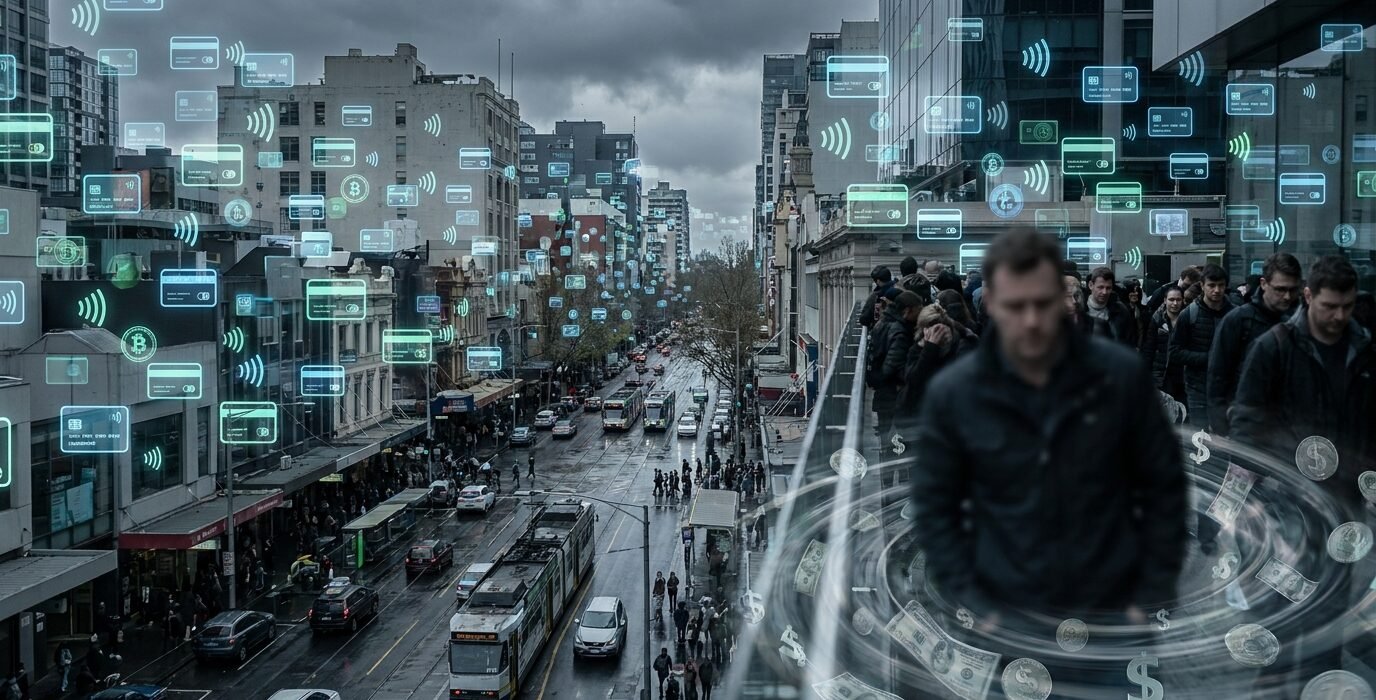
The checkout counter at a bustling shopping centre in Sydney’s CBD can be a dizzying place. Swipe, tap, insert – the familiar dance of payment. But increasingly, a new option flashes on the screen: “Pay in 4 instalments.” For many Australians, this has become the default choice, a seemingly harmless way to snag that new gadget or trendy outfit without immediate financial pain. But what happens when the ‘now’ turns into a perpetual cycle of ‘later,’ and the convenience masks a growing problem?
Key Takeaways:
- Buy Now, Pay Later (BNPL) services have exploded in popularity across Australia, transforming how consumers shop.
- While offering convenience, these services can mask underlying debt issues and lead to overspending.
- Many users, particularly younger demographics, are struggling to manage multiple BNPL accounts, leading to missed payments and credit score damage.
- The regulatory landscape for BNPL in Australia is evolving, with calls for stricter oversight to protect consumers.
- Understanding your financial capacity and practising mindful spending are crucial to avoid the pitfalls of BNPL.
The Allure of Instant Gratification Down Under
Walk through any major Australian city – Melbourne’s laneways, Brisbane’s South Bank, Perth’s waterfront – and you’ll see the pervasive influence of Buy Now, Pay Later services. What started as a niche offering for online purchases has rapidly infiltrated brick-and-mortar stores, becoming an almost expected part of the retail experience. Companies like Afterpay, Zip Pay, and Klarna are household names, their logos plastered across e-commerce sites and in physical stores, from department chains like Myer and David Jones to smaller boutiques in Adelaide’s Rundle Mall.
The appeal is undeniable. For a generation accustomed to instant access and digital convenience, BNPL offers a seductive solution to immediate desires. It allows shoppers to acquire goods without the upfront pinch of a large payment, spreading the cost over manageable instalments, often with no interest if paid on time. This can feel particularly freeing for young Australians navigating the complexities of early adulthood, perhaps saving for a first home deposit or managing student loan repayments. Sarah, a 24-year-old marketing executive from Melbourne, shared her experience: “I used Afterpay for my new laptop last year. It was essential for my job, and I just couldn’t afford to drop $1500 all at once. Spreading it over four payments made it feel so much less daunting.” This sentiment is echoed by millions.
The sheer volume of transactions is staggering; in 2023, it’s estimated that over 5 million Australians were using BNPL services, processing billions of dollars in payments annually. The ease of signing up – often with just a few clicks and a quick verification – further lowers the barrier to entry, making it an almost impulsive decision at the checkout.
The marketing blitz is relentless, too. BNPL providers sponsor major sporting events, from AFL matches to cricket tournaments, embedding their brands in the national consciousness. Their messaging focuses on empowerment, freedom, and making life easier. For many, it’s presented as a savvy financial tool, a way to manage cash flow without resorting to high-interest credit cards or personal loans. The convenience factor is paramount; no complex credit checks, no lengthy application processes. Just a few taps on your phone, and that desirable item is yours. This frictionless experience is a significant driver of its rapid adoption, particularly among consumers who may have had past credit issues or are simply wary of traditional banking products. The sheer accessibility of these services has democratised a form of instant gratification that was once reserved for those with established credit histories.
The Siren Song of Deferred Payment
The convenience of BNPL is its most potent weapon. Imagine you’re browsing online, perhaps looking for a new television for the upcoming AFL Grand Final, or a stylish outfit for a wedding in the Gold Coast hinterland. You find the perfect item, but the price tag makes you pause. Then, the familiar BNPL option appears. Four simple payments, often interest-free. It feels like a gift, a way to get what you want now without the immediate financial strain. This psychological trick – the deferral of pain – is incredibly powerful. It bypasses the immediate mental cost of parting with a significant sum of money.
Consider the case of Mark, a 30-year-old tradie living in regional Queensland. He recently found himself juggling payments for a new tool kit he bought using Zip Pay and a sofa purchased through Afterpay. “I didn’t really think too much about it at the time,” he admitted. “The payments seemed small, just a bit off each pay. But then I realised I had four separate direct debits coming out each month for different things. It all added up, and I started getting a bit stressed about making sure I had enough in my account each time.” Mark’s situation is increasingly common.
What starts as a single, manageable purchase can quickly snowball into multiple outstanding debts across different providers. Each provider has its own payment schedule, its own app, and its own set of late fees. This fragmentation can make it incredibly difficult to get a clear picture of your total BNPL exposure.
The lack of traditional credit checks for many BNPL services also contributes to their rapid uptake, but it’s a double-edged sword. While it opens doors for those who might be excluded from conventional credit, it also means that users might be approved for more credit than they can realistically manage. There’s a disconnect between the perceived simplicity of the transaction and the underlying financial commitment. The providers themselves benefit from this model, often earning significant revenue from merchant fees and late payment penalties, which can be substantial. This creates a powerful incentive for them to encourage widespread adoption, even if it means users are stretching their finances thinner than they realise. The ease of use, combined with aggressive marketing, creates a perfect storm for impulse purchases and the potential for accumulating unmanageable debt.
When the ‘Pay Later’ Becomes a Perpetual Cycle
The seemingly innocent act of splitting payments can, for many, morph into a perpetual cycle of debt. This is particularly true for individuals who struggle with budgeting or who have inconsistent income streams. The allure of instant gratification, combined with the ease of rolling over existing payments into new purchases, creates a dangerous trap. Imagine someone in Perth who uses Afterpay for a new pair of shoes, then Zip Pay for a weekend getaway, and then Klarna for a subscription service. Each payment is relatively small, easily absorbed into their monthly expenses. But when multiple such payments accumulate, and an unexpected bill – perhaps for car repairs in the Sunshine Coast hinterland – arises, the situation can quickly become dire.
The impact on credit scores is a significant, often overlooked, consequence. While many BNPL services don’t conduct hard credit checks at the point of sign-up, they are increasingly reporting defaults and missed payments to credit bureaus. This means that a history of late payments can significantly damage your creditworthiness, making it harder to secure loans for a car, a home, or even a mobile phone plan in the future. We spoke to a financial counsellor from a not-for-profit organisation in Brisbane who wished to remain anonymous. “We’re seeing more and more young people coming to us who are in serious trouble with BNPL,” she explained. “They’ve got five or six different accounts with different providers, and they’ve missed payments on all of them. They’re being hit with late fees, their credit scores are plummeting, and they’re feeling overwhelmed and ashamed.”
The psychological toll cannot be overstated. The constant pressure of managing multiple repayment schedules, the fear of missing a payment, and the shame associated with debt can lead to significant stress, anxiety, and even depression. This emotional burden can, in turn, exacerbate financial difficulties, creating a vicious cycle. The initial convenience of BNPL, which was meant to simplify life, has ironically made it more complicated and stressful for a growing segment of the Australian population. The lack of transparency regarding the total debt burden and the cumulative impact of late fees often only becomes apparent when it’s too late to easily extricate oneself from the situation. The ‘buy now, pay later’ model, when not managed meticulously, can quickly become a ‘pay forever’ reality.
The Hidden Costs and Regulatory Blind Spots
While BNPL services often advertise themselves as interest-free, this is only true if you meet all your repayment obligations on time. The real costs often lie in the late fees and the potential for increased interest on any outstanding balances if the service converts to a traditional credit product after a default. These fees can be substantial, sometimes adding 25% or more to the original purchase price if multiple payments are missed. For a $500 purchase, this could mean an extra $125 or more, significantly eroding any perceived savings from the deferred payment. The Australian Securities and Investments Commission (ASIC) has highlighted concerns about the transparency of these fees.
One of the most significant issues is the lack of comprehensive regulation compared to traditional credit products like credit cards or personal loans. While some legislative changes are being discussed and implemented, BNPL providers have historically operated in a relatively light-touch regulatory environment. This has allowed them to grow rapidly, but it has also left consumers more vulnerable. Unlike credit cards, where responsible lending obligations are strictly enforced, BNPL providers have had less stringent requirements for assessing a borrower’s ability to repay. This means that individuals who are already struggling financially can be easily approved for more credit, exacerbating their debt problems. A report by the Reserve Bank of Australia indicated that a significant portion of BNPL users are also using credit cards, suggesting a reliance on multiple forms of credit to manage their finances.
The fragmented nature of BNPL also makes it difficult for consumers to track their total debt. Unlike a consolidated credit card statement, users might have multiple apps and repayment schedules to manage, increasing the likelihood of missed payments. This lack of a centralised overview is a key reason why many fall into debt traps. Furthermore, the affordability checks conducted by BNPL providers are often less rigorous than those for traditional loans. A quick online search or a brief assessment of a user’s bank account can be insufficient to gauge their true financial capacity, especially if they have other undisclosed debts. This regulatory gap is a critical area that policymakers are now looking to address to better protect consumers from the potential downsides of this popular payment method. The rapid evolution of the BNPL market has, in many ways, outpaced the regulatory frameworks designed to govern it.
Navigating the BNPL Landscape Wisely
The rise of Buy Now, Pay Later services isn’t inherently bad. When used responsibly, they can be a valuable tool for managing cash flow and making larger purchases more accessible. However, the key word is “responsibly.” For many Australians, this means a fundamental shift in mindset and a more disciplined approach to spending. It requires understanding your own financial habits and limitations before you even consider using BNPL. Before you click “confirm” on that online purchase or select the BNPL option at the checkout in a store in Cairns, ask yourself a few critical questions. Can you genuinely afford to pay off the full amount within the specified period? Do you have a clear understanding of the repayment schedule and any potential late fees?
One surprisingly effective strategy is to treat BNPL payments as if they were upfront costs. If you’re using a “pay in 4” service, try to set aside the money for the full purchase as soon as you make it. This way, when the instalments are due, the money is already there, and you’re not relying on future income that might be diverted elsewhere. Many financial advisors in Australia advocate for this proactive approach. “Think of it as a budgeting tool, not free money,” suggests financial planner, Ms. Priya Sharma from Sydney. “If you wouldn’t spend the entire amount today, then you probably can’t afford to commit to paying it back over the next few weeks or months either.” This mindset shift is crucial. It reframes BNPL from an enabler of impulse buys to a structured payment plan that requires foresight.
Another vital step is to avoid using multiple BNPL services simultaneously for non-essential items. If you find yourself juggling several accounts, it’s a clear sign that you might be overextending yourself. Consolidate your purchases onto a single service if possible, or better yet, reassess whether you truly need the items. Regularly reviewing your BNPL account statements and setting up calendar reminders for payment due dates can also help prevent costly late fees. For those who have already found themselves in a difficult situation, seeking professional help from a financial counsellor is a brave and necessary step. They can provide guidance on consolidating debt, negotiating with providers, and developing a sustainable budget. Ultimately, the power lies with the consumer to harness the convenience of BNPL without falling victim to its potential pitfalls.
The Future of Spending: Responsibility Over Recklessness
The BNPL phenomenon has undeniably reshaped the Australian retail landscape. It’s a testament to our nation’s embrace of digital innovation and our desire for immediate gratification. Yet, as we’ve seen, this convenience comes with a shadow side. The stories of individuals struggling with multiple debts, the looming threat of damaged credit scores, and the psychological burden of financial stress are becoming increasingly prevalent. The question isn’t whether BNPL is inherently good or bad, but rather how we, as consumers, can navigate this evolving financial ecosystem with wisdom and foresight. The rapid adoption we’ve witnessed across bustling shopping centres in Melbourne to quiet suburban streets in Perth speaks volumes about our societal relationship with debt and instant access.
The regulatory bodies are catching up, and stricter oversight is on the horizon. This is a positive development, offering greater protection for consumers. However, legislation can only do so much. The ultimate responsibility for financial well-being rests with each individual. It requires a conscious effort to understand our spending habits, to live within our means, and to resist the siren song of impulse purchases that can lead to long-term financial distress. We must cultivate a financial literacy that goes beyond simply understanding how to use a payment app. It’s about understanding the true cost of credit, the long-term implications of debt, and the importance of building a solid financial foundation. The convenience of ‘now’ should not come at the expense of a secure ‘later.’
The BNPL model, with its emphasis on small, frequent payments, can sometimes obscure the cumulative effect of our spending. It’s like a leaky faucet; each drip might seem insignificant, but over time, it can fill a bucket. The goal for us as consumers is to become the vigilant guardians of our own finances, ensuring that the tools designed for convenience don’t inadvertently lead us into a quagmire of debt. This requires discipline, awareness, and a commitment to making informed financial decisions that serve our long-term goals, not just our immediate desires. The future of spending in Australia will likely be a balancing act between embracing new financial technologies and recommitting to the timeless principles of sound money management.
#