Monsoon Delays India Traffic Woes: Survive the Rain
The first drops of monsoon rain in Mumbai are often met with a sigh of relief, a fragrant promise of respite from the sweltering heat. But for millions of urban Indians, that relief is fleeting, quickly replaced by the familiar dread of choked arteries, gridlocked intersections, and journeys that stretch into torturous eternities. This isn’t just an inconvenience; it’s a daily reality that grinds productivity to a halt, frays nerves, and highlights the deep-seated infrastructure challenges India faces. We’ve all been there, stuck in a crawling queue of vehicles, the air thick with exhaust fumes and the drumming of rain on metal roofs, wondering if you’ll ever reach your destination.
Key Takeaways:
- Monsoon rains in India, while vital for agriculture, trigger widespread traffic chaos in urban centers.
- Poor urban planning, inadequate drainage, and aging infrastructure are primary culprits behind the gridlock.
- The economic impact of monsoon-induced traffic delays is substantial, affecting productivity and daily life.
- Technology and improved civic planning offer potential solutions, but require significant investment and political will.
- Personal strategies can help commuters navigate the challenges, from adjusting schedules to embracing alternative transport.
The Urban Deluge: When Infrastructure Fails to Keep Pace
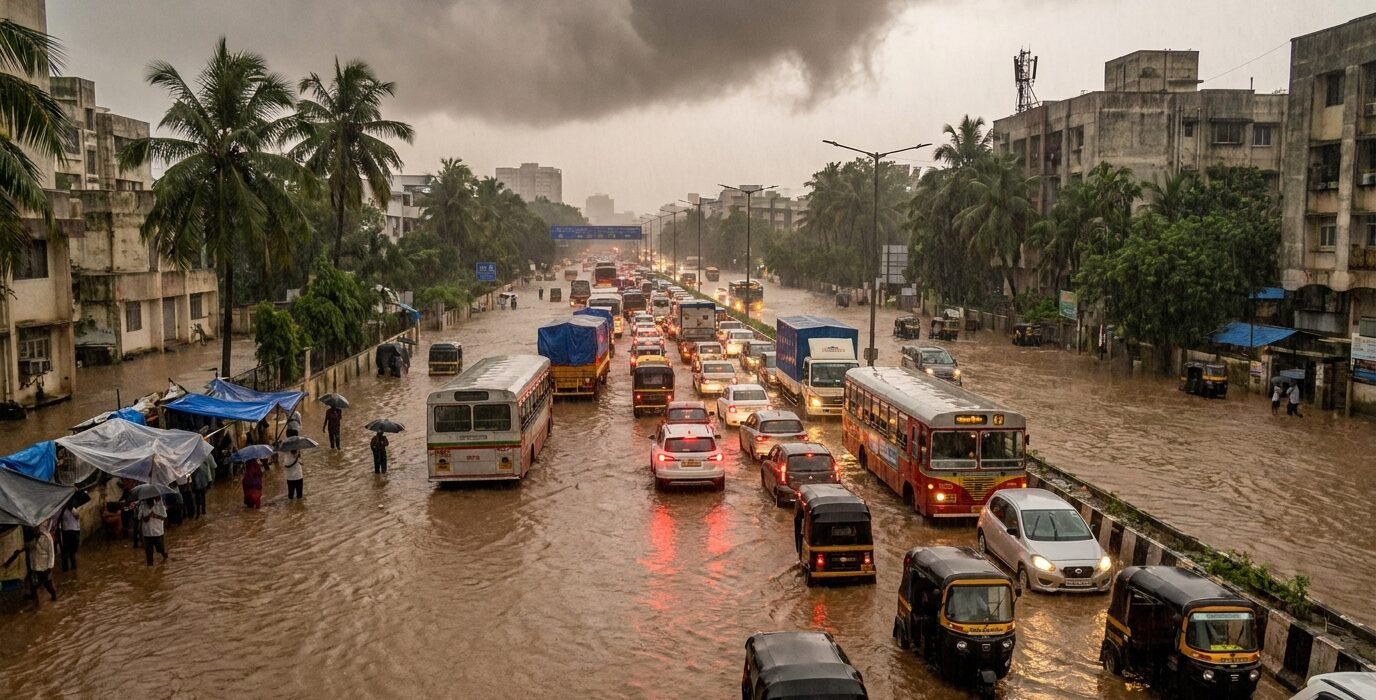
The monsoons are a lifeline for India’s agrarian economy, bringing essential water to parched fields. Yet, for our burgeoning cities, they often bring a different kind of deluge – a deluge of traffic. Imagine a typical Tuesday morning in Bengaluru, a city celebrated for its IT prowess. The sky opens up, and within minutes, arterial roads like the Outer Ring Road transform into slow-moving rivers of cars, buses, and autorickshaws. This isn’t just bad luck; it’s a predictable outcome of urban development that hasn’t kept pace with population growth and the sheer volume of vehicles. You see it everywhere: inadequate storm water drains, often clogged with plastic and debris, unable to channel the sudden influx of water. Roads, built for a fraction of the current traffic, buckle under the strain. Potholes, a year-round menace, become treacherous underwater craters. A study by the Indian Institute of Technology Bombay once estimated that traffic congestion in major Indian cities costs the economy billions of dollars annually. During the monsoon, that figure likely spikes dramatically. The sheer visual of waterlogged streets, with vehicles navigating inches-deep puddles, is a stark reminder of how vulnerable our urban infrastructure is. It’s a scene that plays out, with minor variations, in Delhi, Kolkata, Chennai, and virtually every major Indian metropolis. The soundscape of a rainy monsoon day in an Indian city is a symphony of honking horns, the swish of tires through water, and the distant rumble of thunder, all underscored by the collective frustration of millions.
The Human Cost: A Day in the Life of a Gridlocked Commuter
Let’s talk about Priya, a software engineer in Hyderabad. Her daily commute of 15 kilometers used to take about 45 minutes. Now, during the monsoon, it can easily stretch to two or even three hours. She’s missed important client calls, arrived late for crucial meetings, and the constant stress is taking a toll. “It’s like a lottery,” she once told a local newspaper. “You never know if you’ll get to work on time, or if you’ll spend your entire morning stuck behind a waterlogged underpass.” This isn’t an isolated story. Across India, millions of people like Priya face this daily battle. The economic impact is undeniable. Lost productivity, increased fuel consumption, and the wear and tear on vehicles all add up. But the human cost is often overlooked. The frustration, the anxiety, the missed family time – these are the intangible, yet deeply felt, consequences. Consider a parent trying to pick up their child from school amidst a sudden downpour. What should be a quick 20-minute drive can become a harrowing ordeal, leaving both parent and child exhausted and on edge. A few years ago, during a particularly heavy monsoon in Pune, a vital arterial road near the Deccan Gymkhana area was completely submerged, forcing thousands of commuters to take much longer detours, leading to unprecedented traffic jams that lasted for days. This isn’t just about delayed arrivals; it’s about the erosion of quality of life, the constant feeling of being trapped by circumstances beyond one’s control.
Roots of the Problem: Planning, Puddles, and Poor Priorities
Why does this happen year after year? The answer lies in a complex web of historical planning oversights, rapid urbanization, and what can only be described as a persistent underinvestment in critical infrastructure. Many Indian cities grew organically, without a master plan to guide their expansion. When development did occur, it often prioritized new construction over upgrading existing systems. Drainage networks, designed decades ago for much smaller populations and less intense rainfall, are now woefully inadequate. Think about the infamous waterlogging in Chennai during the 2015 floods. It wasn’t just the sheer volume of rain; it was the system’s inability to cope. Plastic bags, garbage, and construction debris often choke the limited drains, turning them into stagnant pools rather than efficient conduits. Furthermore, the constant influx of people into cities like Delhi and Mumbai puts immense pressure on existing roads and public transport. Building more roads often leads to induced demand, meaning more cars eventually fill the new capacity, perpetuating the cycle. A surprising fact is that many older cities were built with extensive natural water channels that were later concretized or built over to accommodate urban expansion, effectively removing natural drainage pathways. The political will to undertake large-scale, disruptive infrastructure upgrades – like revamping entire drainage systems or building elevated roads – often falters in the face of immediate, more visible projects, or resistance from local communities. This creates a frustrating inertia, where the problems are well-known, but the solutions remain perpetually on the drawing board.
The Economic Drain: More Than Just Lost Hours
The economic consequences of monsoon traffic chaos are staggering, extending far beyond the immediate inconvenience. When trucks and supply chains are disrupted, businesses suffer. Perishable goods spoil, manufacturing schedules are thrown off, and the cost of goods can rise due to increased transportation expenses. For a nation heavily reliant on its service sector, especially IT hubs like Bengaluru and Hyderabad, even a few hours of lost productivity per employee can translate into millions of dollars in lost revenue. Consider the impact on small businesses that rely on timely deliveries or on-site customer service. A plumber or an electrician stuck in traffic for hours might miss multiple appointments, directly impacting their earnings. The fuel wasted by vehicles idling in gridlock contributes significantly to air pollution and increases our reliance on imported oil. A report by the Centre for Science and Environment estimated that traffic congestion in Indian cities contributes to a substantial portion of the country’s carbon emissions. Beyond direct economic losses, there’s the indirect cost of healthcare. The stress and pollution associated with prolonged commutes and traffic jams can lead to increased respiratory illnesses and mental health issues, placing a further burden on our already strained healthcare system. It’s a vicious cycle where inadequate infrastructure leads to economic drain, which in turn limits the resources available for crucial infrastructure upgrades. It’s a problem that demands a long-term, integrated approach, not just quick fixes.
Navigating the Storm: Strategies for Survival and Solutions
So, what can we do? As individuals, we can adapt. Planning journeys with monsoon forecasts in mind is crucial. Leaving earlier, or sometimes later, can make a difference. Exploring alternative transport like the Metro or local trains, where available and functional, can be a godsend. For those who must drive, being patient and maintaining a safe distance is paramount. However, individual adaptations can only go so far. The real solutions lie in systemic change. Urban planners need to prioritize integrated water management, ensuring drainage systems are robust, well-maintained, and designed for future climate scenarios. This includes regular desilting and addressing the issue of plastic waste that chokes these systems. Investing in efficient public transportation is non-negotiable. Expanding metro networks, improving bus services, and ensuring last-mile connectivity can take a significant number of private vehicles off the road. Smart traffic management systems, using real-time data to optimize signal timings and divert traffic during peak congestion, can also offer relief. A surprising insight is that some cities are experimenting with “sponge city” concepts, incorporating permeable pavements and green spaces that absorb rainwater, reducing runoff into drains. This requires a shift in mindset from simply moving vehicles to creating resilient urban environments. Furthermore, stricter enforcement of building regulations to prevent encroachment on natural waterways is vital. The government’s focus on initiatives like the Smart Cities Mission is a step in the right direction, but the execution and funding for these projects need to be consistent and robust.
A Broader Perspective: Resilience in a Changing Climate
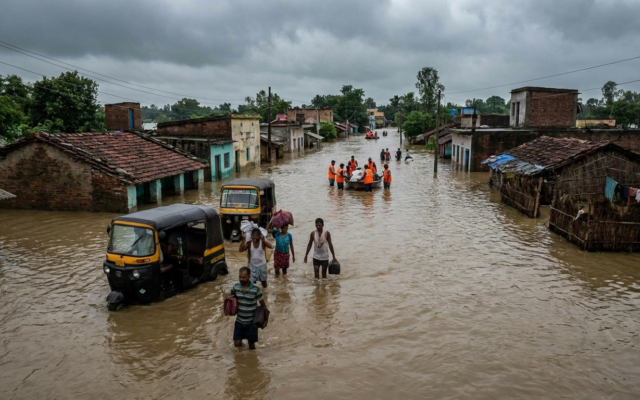
The monsoon traffic woes are more than just an urban nuisance; they are a stark indicator of our vulnerability in a world grappling with climate change. As weather patterns become more erratic, with increased instances of extreme rainfall events, our cities need to become more resilient. The current infrastructure, often built with outdated assumptions, is ill-equipped to handle these intensifying monsoons. The scenes of flooded streets, stalled vehicles, and stranded commuters are not merely temporary inconveniences but foreshadow a future where such events could become more frequent and severe. This calls for a fundamental re-evaluation of how we plan, build, and manage our urban spaces. It’s about creating cities that can withstand, adapt, and recover from the shocks of nature. The pride we take in India’s economic growth and technological advancements must be matched by our commitment to building resilient infrastructure that ensures the well-being of all its citizens. The sound of the monsoon rain, which should herald life and prosperity, must not become synonymous with chaos and despair. We need to build cities that can breathe, that can absorb, and that can continue to function, even when the heavens open up. This is not just about traffic; it’s about the future of urban India.