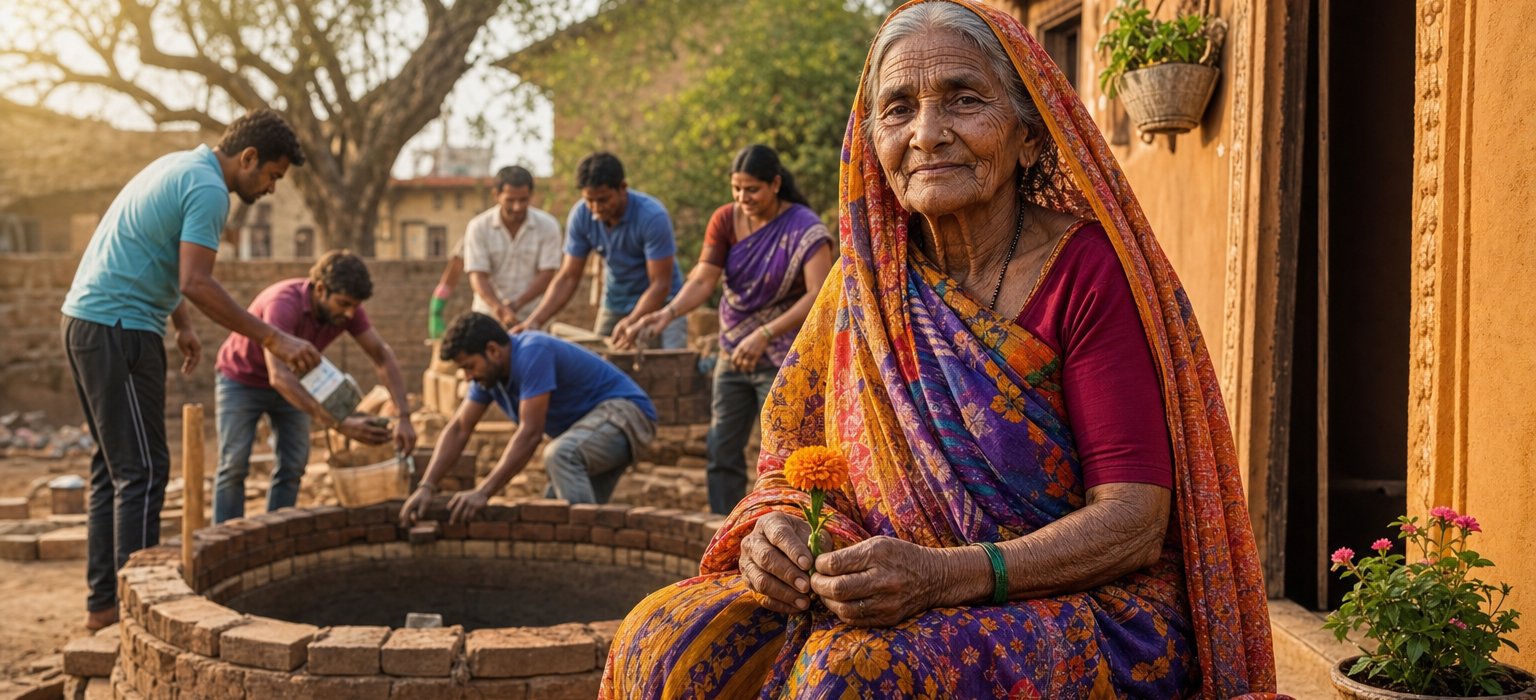
The dust devils danced across the parched earth of Bundelkhand, a familiar sight for Ramkali Devi. Years passed. She watched her sons and daughters pack their meager belongings. They headed for the distant city lights of Delhi or Mumbai. Their absence left a gnawing emptiness. It was a quiet testament to livelihoods lost and traditions fading. But recently, a different kind of dust began to swirl. It was the dust of return. A powerful, often unspoken, movement is drawing people back to their villages. They return not just as visitors, but as residents, entrepreneurs, and custodians of their heritage. This isn’t just about nostalgia. It’s a seismic shift reshaping rural economies and the very soul of India.
Key Takeaways:
- The ‘Ghar Wapasi’ movement is seeing a significant return of migrant workers and young professionals to their rural Indian homes.
- This migration reversal is stimulating local economies through new businesses, increased agricultural productivity, and demand for services.
- Cultural practices and traditional crafts are experiencing a revival as returnees invest in their communities and heritage.
- The movement is challenging the long-held notion of urban centers as the sole drivers of progress, fostering a more balanced development model.
- While challenges like infrastructure and job creation persist, ‘Ghar Wapasi’ offers a potent vision for a revitalized rural India.
The Lure of the Familiar: When Cities Lose Their Shine
For decades, the siren song of urban India has been deafening. Cities promised jobs. Better education beckoned. They offered a modern life, starkly contrasting with perceived village limitations. Millions left. Economic necessity drove them. The allure of opportunity pulled them. They left behind ancestral lands, fields, and families. They became the backbone of construction sites in Gurgaon. Delivery personnel in Bangalore. Garment workers in Tiruppur. But the city’s shine began to tarnish for many. The relentless pace. Skyrocketing living costs. Cramped housing. The precarious nature of informal sector jobs. These began to weigh heavily.
Consider Suresh Kumar. He’s a farmer’s son from a small village near Alwar in Rajasthan. He spent fifteen years in Mumbai. He worked in a textile factory. He sent money home. Supported his parents. Even educated his younger sister. Yet, he often spoke of the suffocating crowds. The constant struggle for breathing space. The feeling of being just another cog. A massive, impersonal machine. “Every festival, I would feel a pang,” Suresh told me. His voice was thick with emotion. We sat under a sprawling banyan tree back in his village. “The city had everything, but it didn’t have the peace. It didn’t have the smell of the earth after rain.” This sentiment echoes. Thousands feel it. It’s the undercurrent of the ‘Ghar Wapasi’ phenomenon. Progress isn’t just skyscrapers. It’s not just bustling markets. It can be found in the rhythm of the seasons. The strength of community bonds. The deep satisfaction of working the land you know. Economic pressures mount. A growing appreciation for roots emerges. The familiar pull grows stronger.
The narrative that rural India is solely a source of labor for urban centers is fundamentally challenged. The economic viability of these back-and-forth migrations becomes less certain. The emotional cost of separation mounts. A powerful counter-trend is emerging. This isn’t a sudden exodus. It’s a gradual, yet significant, trickle. Individuals and families decide “home” is where they truly want to be. They return with skills. They bring capital. Ambition honed in cities fuels them. They are ready to invest in the very places they once felt compelled to leave. This shift signifies a profound re-evaluation. What constitutes a good life? A sustainable future? It places a renewed emphasis on the potential and richness of rural Indian life.
Economic Seeds of Change: From Migrant to Mogul
The return of skilled labor and urban capital is a potent cocktail for rural economies. It’s not just people coming back. It’s about what they bring. Take Dhankot village in Haryana. Once, young men primarily dreamt of jobs in the Gulf. Now, a noticeable number are returning. Ravi Singh is one. He spent a decade in Dubai. Managed a small construction firm. He returned to Dhankot two years ago. Not to farm, but to build. He saw the crumbling infrastructure. In his village. In neighboring communities.
“The government schemes are there, but sometimes the execution is slow, or the quality isn’t what it should be,” Ravi explained. He gestured towards a newly constructed community hall. “I saw an opportunity. I have the experience. I know the suppliers. Importantly, I have a vested interest in doing a good job here.” Ravi’s firm now employs ten local men. He’s working on a contract. To improve the village’s water supply system. A project unthinkable a decade ago. This is the economic ‘Ghar Wapasi’. It’s the farmer who learned modern irrigation techniques in Gujarat. Now brings drip irrigation to his ancestral fields. Yields increase by 30%. It’s the woman who worked in a garment factory in Delhi. Now sets up a small tailoring unit in her village. She employs other women. Creates local fashion lines.
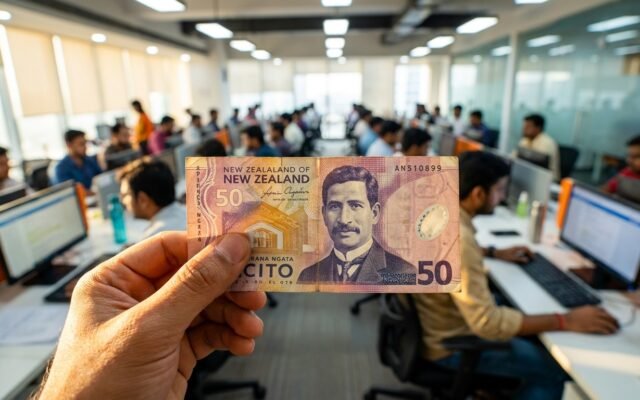
A recent study from NABARD indicated a 15% increase in micro-enterprise registrations. In select districts. With higher return migration rates. Over the last three years. This data point, while specific, reflects a broader trend. These returning migrants aren’t just seeking jobs. They are creating them. They bring an understanding of market dynamics. A willingness to take calculated risks. A desire to build something lasting. They are bridging the gap. Between traditional livelihoods and modern economic opportunities. Fostering a more diversified, resilient rural economy. The influx of remittances, once flowing outward, is now reinvested locally. Stimulating demand for goods and services. Local eateries. Hardware stores. This isn’t just survival. It’s thriving. Building a future rooted in the soil. Powered by local ambition.
Cultural Renaissance: Rediscovering Lost Arts and Identity
The ‘Ghar Wapasi’ movement is more than just an economic phenomenon. It’s a profound cultural rediscovery. For too long, rural India’s rich traditions were viewed as relics. Overshadowed by perceived urban sophistication. But as people return to their roots, they actively seek to reconnect. To revive fading arts and customs. This is particularly evident. In the resurgence of traditional crafts. Performing arts.
In Bishnupur village, West Bengal, known for its exquisite terracotta art, the number of young artisans has increased. Many are sons and daughters of families who migrated to Kolkata for factory work. They are returning. Not just to learn the craft from elders. But to innovate. They experiment with new designs. Incorporate modern aesthetics. While staying true to Bishnupur’s terracotta heritage. The stories of these returning artisans are poignant. Take Anjali. She spent her twenties in a call center in Bangalore. Her voice trained to soothe and assist a global clientele. But her heart yearned for the earthy scent of clay. The satisfaction of shaping it with her own hands. She returned to Bishnupur. Apprenticed under her grandfather. Now, she’s developed a range of contemporary terracotta jewelry. It’s finding a market not just in India, but internationally.
This revival extends beyond tangible crafts. Traditional folk music, dance forms, and storytelling. Gradually replaced by Bollywood beats and television serials. These are experiencing a renaissance. Village festivals become more vibrant. Renewed enthusiasm for local rituals and performances. This cultural reawakening isn’t just about preserving the past. It’s about re-embedding cultural identity. Into the fabric of daily life. It’s about finding pride. In what makes their community unique. Rather than aspiring to an often-unattainable urban ideal. The returnees often bring a broader perspective. Recognizing the value of their cultural heritage. In a globalized world. Actively working to ensure its continuity. For future generations. This re-emphasis on local identity can lead to a stronger sense of belonging. Community cohesion. Vital elements for any thriving society.
The Counter-Narrative: Rural Development Reimagined
For decades, the dominant narrative of development in India has been overwhelmingly urban-centric. The assumption: progress, opportunity, a better quality of life are synonymous with cities. This led to massive investments in urban infrastructure. A constant drain of talent and resources from rural areas. The ‘Ghar Wapasi’ movement offers a powerful counter-narrative. True development can and must be inclusive. Rural India must play a central role.
This shift isn’t about negating cities. It’s about rebalancing the scales. It’s about recognizing that rural India isn’t just a reservoir of labor. Or a producer of raw materials. It’s a vibrant ecosystem. With its own unique strengths and potential. The returnees are living proof. They aren’t just coming back to escape urban hardships. They are coming back to build. To innovate. To contribute to their home communities. Consider Panna village in Madhya Pradesh. Once primarily known for its diamond mines. And associated migration for work. Now, a growing number of young individuals are returning. Not to the mines. But to the surrounding agricultural land. They are experimenting with organic farming. Agro-tourism. Value-added agricultural products.
One such returnee, Vikram, worked as a software engineer in Bangalore. He’s now spearheading an initiative. To create a cooperative for local farmers. “We can’t just grow grains and sell them for a pittance,” Vikram told me. His eyes were alight with purpose. “We need to process them, brand them, and sell them directly. My experience in the city taught me about marketing and supply chains. I want to apply that knowledge here. To make our village self-sufficient and prosperous.” This is the heart of the counter-narrative. It’s about empowering rural communities. To become engines of their own growth. Rather than passive recipients of urban-driven development. It challenges the notion that rural life is inherently backward. Or lacking in opportunity. Instead, it posits that with the right investment, skills, and mindset. Rural India can offer a fulfilling and prosperous life. And in doing so, contribute significantly to the nation’s overall progress. This reimagining of rural development is crucial. For building a more equitable and sustainable India.
Bridging the Divide: Challenges and Opportunities Ahead
While the ‘Ghar Wapasi’ movement is undeniably a positive force, it’s not without its challenges. Infrastructure in many rural areas still lags significantly. Behind urban standards. Access to reliable electricity. Clean water. Quality healthcare. Robust internet connectivity. These remain significant hurdles. For many returning migrants. Accustomed to urban conveniences. Furthermore, while new micro-enterprises emerge, the sheer scale of employment needed. To absorb all returning individuals is daunting.
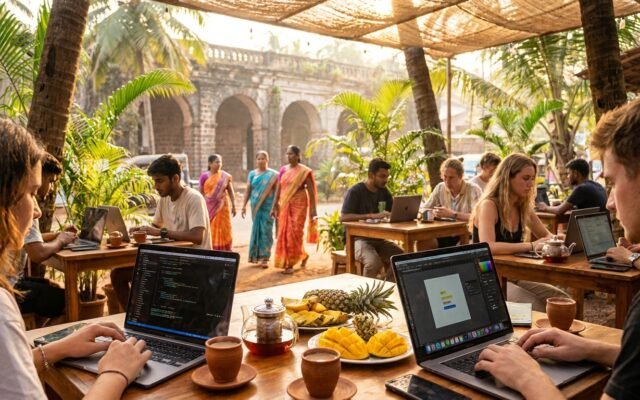
Take a village in Uttar Pradesh. A group of former IT professionals returned. Aspirations to set up a digital services hub. They found inconsistent internet speeds. Frequent power outages. These made ambitious plans difficult to execute. “We had the ideas, we had the willingness, but the basic infrastructure wasn’t there,” one of them lamented. “It’s like trying to build a beautiful house on a foundation of sand.” This highlights the critical need for targeted government investment. In rural infrastructure development. Without it, the potential of ‘Ghar Wapasi’ might be curtailed. Forcing some to reconsider their return.
However, these challenges also present immense opportunities. The very gaps in infrastructure and services are fertile ground. For new entrepreneurial ventures. Returning migrants with capital and experience can be instrumental. In developing local solutions. For instance, a group of returning engineers in a village in Bihar are exploring solar power solutions. To address unreliable electricity. Creating local jobs in the process. Moreover, the increasing demand for local goods and services. Created by the returning population can spur innovation. In sectors like organic farming, renewable energy, and artisanal production. The key lies in fostering a supportive ecosystem. Providing access to credit, training, and market linkages. For these rural entrepreneurs. The government and private sector must work in tandem. To bridge the infrastructure deficit. Create an environment where these returning individuals can truly flourish. Transforming challenges into catalysts for sustainable rural growth.
A New Dawn: The Enduring Pull of Home
The ‘Ghar Wapasi’ movement is more than just a trend. It’s a testament to the enduring power of roots. It’s a quiet revolution unfolding. Across the vast Indian landscape. People are rediscovering immense value. In their ancestral villages. It’s a rejection of the notion that progress can only be measured by urban metrics. A powerful affirmation of the richness and potential of rural life. The stories we’ve heard – farmers increasing yields, artisans reviving ancient crafts, entrepreneurs building businesses from the ground up – paint a vivid picture. A resurgent rural India.
The emotional pull of home. Combined with growing economic viability. The desire to contribute to one’s own community. This is proving to be a potent force. This isn’t about romanticizing rural life. Or ignoring its challenges. It’s about recognizing that with the right support, investment, and mindset. Rural India can offer a fulfilling and prosperous future. The returnees aren’t just individuals coming home. They are catalysts for change. Weaving new threads of innovation and opportunity. Into the ancient fabric of village life. As more people choose to return, the landscape of rural India is slowly but surely transforming. Promising a more balanced, equitable, and culturally rich future for the nation.