Key Takeaways
- Yoga is experiencing an unprecedented global surge in 2026, driven by a growing awareness of its holistic health benefits and adaptability.
- Expect to see a rise in AI-powered personalized yoga experiences and immersive digital platforms, catering to diverse needs and schedules.
- The integration of yoga with other wellness modalities, such as sound healing and mindfulness, is becoming a significant trend, offering deeper therapeutic outcomes.
- Yoga retreats and immersive experiences, especially in India’s spiritual heartlands, are gaining traction as people seek authentic connection and profound well-being.
The Resurgent Power of Asana: Yoga in 2026
The ancient practice of yoga, originating thousands of years ago on the Indian subcontinent, is experiencing a remarkable renaissance in 2026. Far from being a fleeting wellness fad, yoga has cemented its place as a cornerstone of holistic health for millions worldwide. This year, we’re witnessing an unparalleled global boom, driven by a deeper understanding of its multifaceted benefits, from physical vitality to mental clarity and emotional resilience.
Gone are the days when yoga was perceived as solely for the flexible or the spiritually inclined. Today’s yoga is incredibly diverse, accessible, and tailored to individual needs. Whether you’re a busy professional in Mumbai seeking stress relief, a student in London looking for focus, or a retiree in Vancouver aiming for better mobility, there’s a yoga practice waiting for you. This adaptability is key to its enduring appeal and its current surge in popularity.
The digital revolution has played a pivotal role, breaking down geographical barriers and making expert guidance available at your fingertips. Yet, the allure of in-person experiences, particularly in the sacred landscapes of India, is stronger than ever. This dynamic interplay between the digital and the physical is shaping the future of yoga, making it more potent and pervasive than ever before.
AI and Immersive Tech: Your Personal Yoga Guru
The integration of artificial intelligence (AI) into yoga practices is no longer science fiction; it’s a burgeoning reality in 2026. Imagine a yoga app that not only guides you through poses but also analyzes your posture in real-time, offering personalized adjustments based on your body’s unique mechanics. This level of individual attention, previously only available in one-on-one sessions, is now democratized through smart technology.
AI-powered platforms can track your progress, identify areas of tension or weakness, and curate sequences specifically designed to address your goals. Whether you’re recovering from an injury, training for a marathon, or simply aiming for better sleep, your AI yoga instructor can adapt your practice accordingly. This personalized approach is proving incredibly effective in enhancing both safety and results.
Beyond personalized instruction, immersive technologies are transforming the learning experience. Virtual reality (VR) and augmented reality (AR) are transporting practitioners to serene digital environments, from tranquil forests to the majestic Himalayas, enhancing the meditative aspect of yoga. Some platforms even offer holographic instructors, providing a truly engaging and interactive way to learn and practice. This technological evolution ensures that yoga remains relevant and accessible to a new generation of learners.
Beyond the Mat: Yoga’s Integration with Other Modalities
In 2026, the most exciting developments in yoga lie in its seamless integration with other powerful wellness practices. We’re moving beyond isolated yoga sessions towards a more holistic approach that combines asana with modalities like sound healing, breathwork, and guided meditation. This cross-pollination of techniques amplifies the benefits, offering deeper therapeutic outcomes.
Consider the growing popularity of “sound bath” yoga, where the resonant frequencies of singing bowls and gongs accompany your physical practice. This combination aims to not only align the body but also to calm the nervous system and release energetic blockages. Similarly, advanced breathwork techniques, often taught alongside yoga postures, are being utilized to manage stress, boost energy levels, and improve cognitive function.
We’re also seeing a rise in specialized yoga classes that incorporate elements of mindfulness and emotional intelligence training. These classes go beyond the physical, encouraging introspection and self-awareness. The intention is to equip individuals with tools not just for physical health, but for navigating the complexities of modern life with greater equanimity. This integrated approach recognizes that true well-being encompasses mind, body, and spirit.
The Sacred Journey: Yoga Retreats in India’s Heartlands
While digital yoga offers convenience, the allure of in-person, immersive experiences, particularly in India, is witnessing a significant resurgence in 2026. Pilgrimages to the ancient birthplaces of yoga are no longer just for seasoned yogis; they are attracting a diverse global audience seeking authentic connection, spiritual growth, and profound personal transformation.
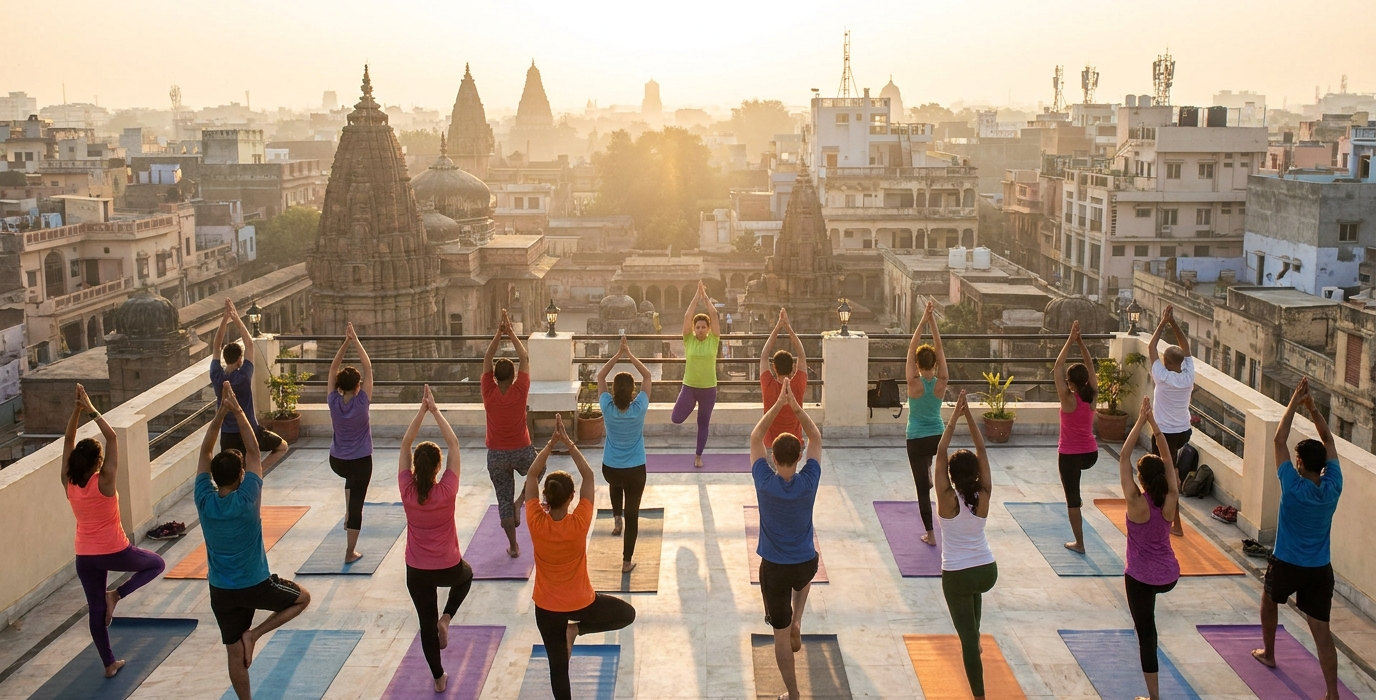
Destinations like Rishikesh, nestled in the foothills of the Himalayas and often referred to as the “Yoga Capital of the World,” are seeing a surge in visitors. Here, one can immerse themselves in daily ashram life, practice yoga and meditation under the guidance of seasoned gurus, and participate in philosophical discussions that delve into the deeper meaning of yogic philosophy. The Ganges River, flowing majestically through Rishikesh, adds to the spiritual ambiance, offering a sense of profound peace and purity.
Beyond Rishikesh, other regions are gaining prominence. The serene backwaters of Kerala offer a tranquil setting for yoga retreats focused on Ayurveda and restorative practices. Similarly, the vibrant spiritual energy of Varanasi provides a unique backdrop for exploring the more contemplative aspects of yoga. These retreats offer more than just a vacation; they are transformative journeys that provide a rare opportunity to disconnect from the everyday and reconnect with oneself.
“The true power of yoga in 2026 lies not just in the perfect alignment of a pose, but in its ability to foster resilience, cultivate inner peace, and connect us to something larger than ourselves.”
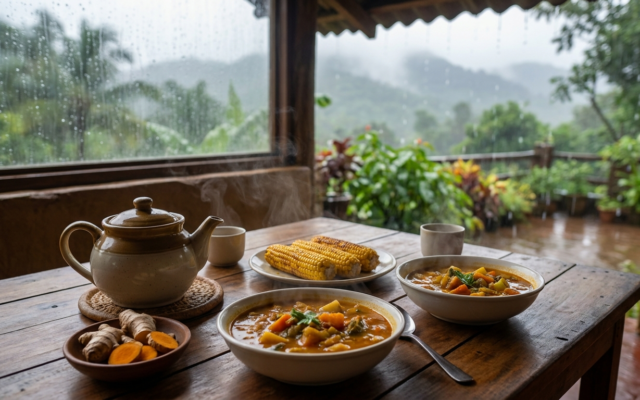
A surprising fact is that many modern yoga retreats are now incorporating local culinary experiences, allowing participants to savor the authentic flavors of regional Indian cuisine as part of their wellness journey. This holistic approach nourishes both the body and the soul, making the experience even more enriching.
Specialized Yoga for Every Need: From Prenatal to Corporate Wellness
The yoga landscape of 2026 is characterized by an incredible specialization, catering to virtually every demographic and need. Gone are the days of one-size-fits-all yoga classes. Today, you can find practices tailored for specific life stages, professional environments, and health concerns, making yoga more accessible and beneficial than ever before.
For expectant mothers, prenatal yoga offers a safe and nurturing way to prepare for childbirth, strengthening the body, relieving discomfort, and fostering a deep connection with the developing baby. Postnatal yoga focuses on rebuilding strength and addressing the physical and emotional changes new mothers experience. Similarly, senior yoga classes are designed with gentle movements and modifications to improve flexibility, balance, and overall mobility, combating age-related decline.
The corporate world is also embracing yoga. Many companies are now offering on-site yoga sessions or providing employees with access to digital platforms as part of their wellness initiatives. These programs aim to reduce workplace stress, improve focus, and boost productivity. We’re also seeing the rise of therapeutic yoga, where practitioners work with individuals dealing with chronic pain, anxiety, or depression, using yoga as a complementary healing tool. This targeted approach ensures that the benefits of yoga reach a wider audience, addressing specific challenges with precision.
A fascinating development is the emergence of “desk yoga” routines, designed for individuals who spend long hours seated. These short, effective sequences can be performed at a workstation, helping to alleviate stiffness and improve circulation without requiring a change of clothes or a dedicated space. This adaptability underscores yoga’s power to integrate seamlessly into busy modern lives.
The Future of Flow: Sustainability and Inclusivity in Yoga
As yoga continues its global ascent in 2026, two critical themes are shaping its future: sustainability and inclusivity. Practitioners and studios are increasingly conscious of their environmental footprint, while a strong emphasis is being placed on making yoga accessible and welcoming to people of all backgrounds, abilities, and body types.
Sustainability in yoga means more than just eco-friendly mats. It encompasses mindful consumption of resources in studios, supporting ethical production of yoga apparel, and even considering the carbon footprint of international yoga retreats. Many studios are now actively implementing waste-reduction programs and sourcing sustainable materials for their spaces. This growing awareness reflects a broader global trend towards conscious living.
Inclusivity, however, is perhaps the most transformative force. Yoga is actively shedding its historical exclusivity, embracing diversity in its truest sense. This means offering adaptive yoga classes for individuals with disabilities, using diverse imagery and language in marketing, and ensuring that instructors are trained in trauma-informed practices. The goal is to create spaces where everyone feels seen, respected, and empowered to explore their yoga journey.
We’re seeing a rise in ‘body-positive’ yoga movements and instructors who actively challenge conventional beauty standards. This shift is crucial in making yoga a truly universal practice. Furthermore, the development of accessible yoga studios, equipped with ramps and specialized props, is making it easier for individuals with mobility issues to participate. This commitment to both environmental and social responsibility ensures that yoga’s positive impact continues to grow.
Frequently Asked Questions
What are the most popular yoga styles in 2026?
In 2026, Hatha yoga remains a foundational favorite for its balanced approach to posture and breath. Vinyasa flow continues to be popular for its dynamic, movement-based sequences. However, we’re also seeing significant growth in restorative yoga for stress relief, therapeutic yoga for specific health conditions, and aerial yoga for a unique challenge.
How can I find a good yoga teacher or studio in my city?
Look for certified instructors through organizations like Yoga Alliance. Online reviews, studio websites, and local community boards are excellent resources. Many studios offer introductory classes, allowing you to experience their style and teaching before committing. Don’t hesitate to reach out and ask questions about their philosophy and class offerings.
Is yoga effective for weight loss?
While yoga isn’t primarily a calorie-burning cardio workout like running, it can significantly contribute to weight loss. Regular practice builds muscle, which boosts metabolism. Moreover, yoga’s emphasis on mindfulness can help you develop a healthier relationship with food and reduce emotional eating. Combining yoga with a balanced diet and other forms of exercise often yields the best results.
How much does a typical yoga class or membership cost in 2026?
Prices vary widely by location and studio. Drop-in classes typically range from ₹400 to ₹1,000 in Indian metros, and $20 to $35 in Western cities. Monthly memberships can range from ₹3,000 to ₹8,000 in India, and $100 to $200+ abroad, often offering better value for regular practitioners. Many studios offer introductory deals for new students.
Can beginners start practicing yoga in 2026?
Absolutely! Most yoga studios and online platforms offer beginner-specific classes designed to introduce fundamental poses, breathing techniques, and alignment principles. Look for classes labeled “Beginner,” “Foundations,” or “Gentle Yoga.” An experienced instructor will guide you safely and effectively, ensuring you build a strong and confident practice from the start.